
Seedance 2.0: Inside ByteDance’s Controversial AI Video Generator
Seedance 2.0: Inside ByteDance’s Controversial AI Video Generator Estimated reading time: 10 minutes Key Takeaways Seedance 2.0 is a high‑end AI video generator by ByteDance that has sparked controversy in Hollywood and the tech world. Accusations include mass copyright infringement and the unauthorized use of celebrity likenesses. The viral Seedance 2.0 Tom Cruise Brad Pitt […]
With Craig Major and Jon Irwin
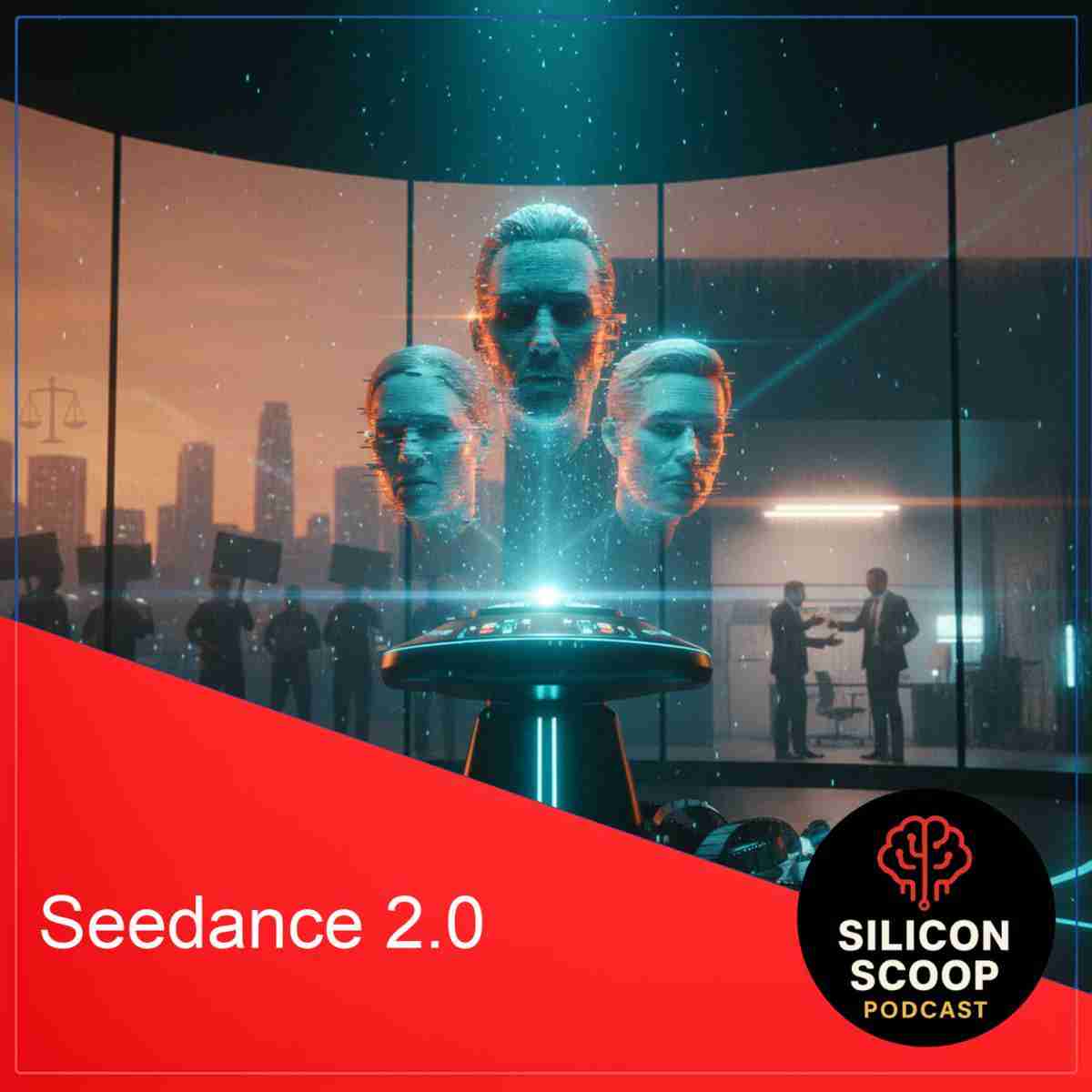
Seedance 2.0: Inside ByteDance’s Controversial AI Video Generator
Estimated reading time: 10 minutes
Key Takeaways
- Seedance 2.0 is a high‑end AI video generator by ByteDance that has sparked controversy in Hollywood and the tech world.
- Accusations include mass copyright infringement and the unauthorized use of celebrity likenesses.
- The viral Seedance 2.0 Tom Cruise Brad Pitt video intensified backlash and calls for AI deepfake likeness laws 2024.
- Major organizations including SAG‑AFTRA and the MPA have condemned the tool’s alleged practices.
- Ongoing comparisons like Seedance 2.0 vs Sora highlight differences in safeguards and ecosystem integration.
Table of contents
- Seedance 2.0: Inside ByteDance’s Controversial AI Video Generator
- Introduction
- Section One: Overview of Seedance 2.0 Technology and Capabilities
- Section Two: The Controversy and Hollywood Backlash
- Section Three: Legal and Policy Implications
- Section Four: ByteDance’s Response and Competitive Landscape
- Section Five: Broader Industry Impact and Future Outlook
- FAQ Section
- Conclusion
Introduction
Seedance 2.0 is the hot topic stirring controversy in Hollywood and the tech world. This high‑end AI video generator by ByteDance – the Beijing‑based parent of TikTok – has been making headlines for all the wrong reasons. Accusations of mass copyright infringement and the unauthorized use of celebrity likenesses have put it squarely in the spotlight. Often referred to as ByteDance Seedance 2.0 AI, the tool is being compared with similar systems such as Sora. Critics point to examples like the Seedance 2.0 Tom Cruise Brad Pitt video and call for enhanced AI deepfake likeness laws 2024, all while major Hollywood organizations, including SAG‑AFTRA, have spoken out. In this post, we will explain the technology behind Seedance 2.0, dive into the controversies, and look at its broader industry and legal implications.
(Research: Reuters, Variety, Hollywood Reporter)
─────────────────────────────────────────────
Section One: Overview of Seedance 2.0 Technology and Capabilities
Seedance 2.0 is a text-to-video and video-to-video generative AI system developed by ByteDance. Here’s what sets it apart:
• What It Does:
- Accepts natural‑language prompts (mostly in Chinese) and optional style presets.
- Can also work with reference images or short clips to define a character or style.
- Produces short video clips with synchronized motion, camera movements, enhanced lighting, and basic lip‑sync.
(Research: Reuters)
• Technical Details:
- Uses technology inspired by transformer/diffusion models. This is comparable to OpenAI’s Sora and others, hinting at the frequent comparison Seedance 2.0 vs Sora.
- Available only in Mainland China, it is tightly integrated within the ByteDance ecosystem and its native apps.
- Likely powered by a proprietary diffusion or transformer‑based model that has advanced capabilities in style mimicry and cinematic presentation.
(Research: Hollywood Reporter)
• Core Keywords and Terms:
- ByteDance Seedance 2.0 AI
- Seedance 2.0 vs Sora
The system generates visuals that mimic authentic movie scenes. Its ability to produce realistic camera moves and synchronized lip‑sync makes it stand out in the realm of generative AI. Although innovative, its inner workings have raised red flags regarding how it was trained.
Sources:
• Reuters: Reuters
• Hollywood Reporter: Hollywood Reporter
[Call To Action 1 – Explore our latest insights and stay ahead on the evolving landscape of AI technology. Discover more at our website.]
─────────────────────────────────────────────
Section Two: The Controversy and Hollywood Backlash
Recent events have thrust Seedance 2.0 into controversy. A viral demo video showed AI‑generated look‑alikes of stars like Tom Cruise and Brad Pitt placed in a post‑apocalyptic setting. This Seedance 2.0 Tom Cruise Brad Pitt video not only showcased the tool’s technical prowess but also its potential to misuse celebrity likenesses.
• Viral Demo Details:
- The demonstration featured digitally recreated versions of Tom Cruise and Brad Pitt in a gritty, action‑packed scenario.
- The clip quickly went viral on social media and was widely shared among Hollywood creatives, drawing immediate criticism.
- Filmmaker Ruairí Robinson and screenwriter Rhett Reese were among the first to comment publicly on the ethical challenges posed by such AI‐driven content.
(Research: Variety)
• Hollywood’s Response:
- The Motion Picture Association (MPA) has condemned Seedance 2.0. They state that the tool’s use of copyrighted U.S. works is “unauthorized” and “massive in scale.”
- SAG‑AFTRA has joined the criticism with a SAG‑AFTRA ByteDance statement, emphasizing that the unauthorized replication of celebrity likenesses endangers creative jobs and violates actors’ rights.
- MPA highlighted that “Seedance 2.0 has engaged in unauthorized use of U.S. copyrighted works on a massive scale,” while SAG‑AFTRA warned that such infringements could undermine the livelihood of creative professionals.
(Research: Hollywood Reporter, Reuters)
• Immediate Concerns Raised:
- Ease of generating deepfake-like content of popular celebrities.
- Threat to creative labor, as traditional methods and human talent may be sidelined.
- Questions about the legality of using copyrighted material and familiar intellectual properties without permission.
(Research: Variety)
Key Points:
• AI video generator copyright infringement is at the heart of the debate.
• The Seedance 2.0 Tom Cruise Brad Pitt video has become a symbol for the potential misuse of generative AI.
• SAG‑AFTRA ByteDance statement highlights the union’s deep concerns over intellectual property and the replicative ethics of using celebrity images.
Sources:
• Variety: Variety
• Reuters: Reuters
─────────────────────────────────────────────
Section Three: Legal and Policy Implications
The legal implications of Seedance 2.0 are significant and multifaceted. Many Hollywood studios and unions argue that the system’s training data violates copyright laws and players’ rights.
• Copyright Concerns:
- Accusations suggest Seedance 2.0 was trained on copyrighted Hollywood films and TV shows as well as celebrity imagery without proper licensing.
- Critics question whether using such vast amounts of intellectual property without permission is protected under fair use or if it outright constitutes copyright infringement.
- Ongoing legal cases against other AI companies indicate similar legal uncertainties regarding the copyright status of training data.
(Research: Financial Times, Reuters)
• Likeness-Right and Deepfake Legislation:
- Emerging discussions on AI deepfake likeness laws 2024 seek to address whether creating AI replicas of celebrities violates their publicity rights.
- Several U.S. states and EU regulators are looking at tougher policies to control unauthorized digital replication and misuse of celebrity images.
- These legislative efforts aim to strike a balance between technological innovation and protecting individual rights.
By challenging both existing copyright frameworks and the adequacy of likeness protection laws, Seedance 2.0 has ignited a broader debate about the future of digital content creation. Stakeholders now question if current laws are sufficient to tackle these new challenges posed by advanced generative AI.
Key Terms:
• AI video generator copyright infringement
• AI deepfake likeness laws 2024
Sources:
• Financial Times: Financial Times
• BBC: BBC
─────────────────────────────────────────────
Section Four: ByteDance’s Response and Competitive Landscape
ByteDance’s official response to the controversy over Seedance 2.0 has been measured yet ambiguous. The company insists that it respects intellectual property rights and is taking steps to address the concerns raised.
• ByteDance’s Official Statement:
- In its statement, ByteDance expressed that it “respects intellectual property rights” and is reviewing its safeguards.
- However, the company did not offer specifics on how it will retrain the model or control the replication of celebrity likenesses.
- This non-committal tone has drawn skepticism from Hollywood and creators alike.
(Research: Hollywood Reporter)
• Competitive Context:
- Seedance 2.0 is frequently compared to other AI video generators, notably OpenAI’s Sora.
- While Sora also uses advanced generative techniques, Seedance 2.0 is noted for its integration with ByteDance’s consumer platforms and fewer restrictions on content safeguards.
- Such comparisons shed further light on Seedance 2.0 vs Sora, with many industry experts favoring systems that balance creative freedom against regulatory compliance.
• Broader Industry Implications:
- The emergence of Seedance 2.0 is set to disrupt creative labor markets. It may affect not only screenwriters and directors but also VFX artists and other production professionals.
- While rapid prototyping offered by AI tools could accelerate production pipelines, the devaluation of creative labor and potential job losses remain significant concerns.
- This competitive landscape, combined with the SAG‑AFTRA ByteDance statement, forces both technology firms and creative industries to rethink protocols and ethical boundaries.
(Research: CNBC, Hollywood Reporter)
Key Terms:
• ByteDance Seedance 2.0 AI
• Seedance 2.0 vs Sora
• SAG‑AFTRA ByteDance statement
Sources:
• Reuters: Reuters
• Variety: Variety
─────────────────────────────────────────────
Section Five: Broader Industry Impact and Future Outlook
As AI video tools gain prominence, the impact of Seedance 2.0 on both creative industries and legal landscapes becomes increasingly important. The future outlook for AI-driven video generation is influenced by industry, regulatory changes, and global tensions.
• Industry-Wide Shifts:
- Seedance 2.0 could revolutionize rapid prototyping in film production, reducing reliance on traditional storyboarding and pre-visualization techniques.
- Cost reduction and speed are strong drivers that may appeal to independent creators and large studios alike.
- However, the ease of creating deepfake-like content raises concerns about authenticity and intellectual property, linking back to AI video generator copyright infringement debates.
(Research: Financial Times, CNBC)
• Regulatory Responses:
- With controversies such as this, regulators are under pressure to define clearer rules for AI training practices and content generation.
- The drive for AI deepfake likeness laws 2024 reflects a global concern to protect public figures from unauthorized digital impersonation and misuse.
- Future regulations may require companies to publish detailed documents on training datasets and implement stronger opt‑out or consent systems.
• Global Context and U.S.-China Tech Tensions:
- Different regulatory environments in China and the U.S. contribute to varied approaches in AI and intellectual property enforcement.
- Chinese regulations focus on political content, social stability, and data security, while U.S. and EU regulators might lean towards strict copyright and likeness protections.
- The ongoing U.S.-China tech debate adds another layer of complexity as global stakeholders consider data security, platform responsibility, and trade implications.
(Research: CNBC, Financial Times)
• Future Implications:
- Innovations like Seedance 2.0 challenge established legal norms and provoke important debates about fair use in the age of AI.
- The outcome of these controversies could set a precedent for future AI-powered creative tools, influencing everything from film production processes to intellectual property laws.
- As content creators and regulatory bodies adjust, the balance between creativity, technological progress, and the protection of individual rights will remain central.
(Research: Variety, Hollywood Reporter)
Key Terms:
• AI video generator copyright infringement
• AI deepfake likeness laws 2024
Sources:
• Financial Times: Financial Times
• CNBC: CNBC
─────────────────────────────────────────────
[Call To Action 2 – Join the conversation on the future of AI video creation! Connect with industry experts and subscribe to our updates to stay informed about emerging trends and legal developments.]
─────────────────────────────────────────────
FAQ Section
1. What is Seedance 2.0?
Seedance 2.0 is a generative AI system developed by ByteDance that transforms text and video inputs into short, high‑quality video clips. It is known as ByteDance Seedance 2.0 AI and is currently available only in Mainland China. The tool utilizes advanced transformer/diffusion models comparable to systems like OpenAI’s Sora. (Sources: Reuters, Hollywood Reporter)
2. What controversies surround Seedance 2.0?
The system became controversial after a viral demo featuring AI-generated look‑alikes of Tom Cruise and Brad Pitt. This Seedance 2.0 Tom Cruise Brad Pitt video sparked backlash over mass copyright infringement and the unauthorized use of celebrity likenesses, prompting critiques from Hollywood organizations and unions. (Sources: Variety, Reuters)
3. What are the key legal and policy concerns related to AI video generation?
There are two major areas of concern: the alleged copyright infringement from using unlicensed Hollywood films and television content, and issues of likeness rights. Debates focus on whether training AI with copyrighted works constitutes fair use, and emerging AI deepfake likeness laws 2024 are being discussed to regulate unauthorized digital replication. (Sources: BBC, Financial Times)
4. How has the creative industry, particularly SAG‑AFTRA, responded?
SAG‑AFTRA, the union representing actors and media professionals, issued a strong SAG‑AFTRA ByteDance statement condemning Seedance 2.0. They argue that the unauthorized use of celebrity voices and images threatens creative livelihoods and violates established rights. (Sources: Hollywood Reporter, Reuters)
5. How does Seedance 2.0 compare to similar tools like Sora?
Seedance 2.0 and OpenAI’s Sora both use advanced AI models for video generation. However, Seedance 2.0 is noted for its integration within ByteDance’s ecosystem and fewer content safeguards. This has led to ongoing comparisons under the theme Seedance 2.0 vs Sora, with debates over which system better balances technological capability and regulatory compliance. (Sources: Variety, Reuters)
6. What are the main capabilities of Seedance 2.0?
Seedance 2.0 can generate short, visually compelling video clips from text prompts and reference images. It features advanced motion synchronization, camera movements, lighting enhancements, and basic lip‑sync technology, making it a powerful tool for rapid content prototyping. (Sources: Reuters, Hollywood Reporter)
7. What are the copyright issues linked to Seedance 2.0?
Critics allege the tool was trained on copyrighted Hollywood films and other media without proper licensing. This raises questions about whether its outputs are substantially similar to protected works – an issue that represents broader challenges in AI video generator copyright infringement debates. (Sources: Financial Times, Reuters)
8. Are there any regulatory measures being considered for tools like Seedance 2.0?
Yes. There is increasing discussion around AI deepfake likeness laws 2024. These proposed laws would aim to protect public figures from unauthorized digital replication and establish clearer guidelines around the use of copyrighted and personal likeness data in AI training and content generation. (Sources: BBC, CNBC)
9. How is ByteDance addressing the controversy over Seedance 2.0?
ByteDance has stated that it respects intellectual property and is reviewing its safeguards. Despite the conciliatory language in their statement, the company has not yet detailed any concrete measures to restrict unauthorized use or update licensing practices, leaving many questions unanswered. (Sources: Hollywood Reporter, Reuters)
10. What future impact could Seedance 2.0 have on the creative industry?
Seedance 2.0 may change how films and digital content are produced by offering rapid, cost-effective prototyping options. However, it also raises serious concerns about displacing creative labor and undermining established copyright and likeness rights. The evolving discussion could lead to stricter regulation and new industry standards in digital content creation. (Sources: Variety, Hollywood Reporter)
─────────────────────────────────────────────
Conclusion
Seedance 2.0 represents a pivotal moment in the intersection of digital innovation and intellectual property law. With its cutting-edge technology comes significant controversy—from allegations of copyright infringement to ethical and regulatory challenges. As stakeholders from Hollywood to global regulators debate the implications, Seedance 2.0 is not only reshaping how we think about video production but also forcing us to confront new legal and creative realities. Stay informed and join the conversation as the future of AI, creative labor, and digital rights continues to evolve.
For more insights and updates, subscribe to our newsletter and follow our latest analysis on the cutting edge of AI video technology.
Additional Links
Flowgrammer.ca – 💡 Unlock AI-Powered Automation! Let flowgrammer.ca handle complex workflows so you can focus on growing your business.
Flowgrammers.ca – 💡 Join Toronto’s Fastest Growing AI and Busiess Automation Community..
Flowgramming.space – 💡 AI Agent and Workflow Marketplace..
-
-
- Silicon Scoop Podcast – Stay Informed, Stay Ahead!
- Startup Talk Podcast
- Flowgrammer Podcast –
- Startup Investor Drinks – Join Toronto’s Startup Community and connect with fellow startup enthusiasts and investors.
- TorontoStarts Startup and Entrepreneur Community – Become a part of Toronto’s thriving startup ecosystem.
- Workhaus – Discover flexible workspace solutions for your business needs.
- Work with The Startup Coach – Get expert guidance and mentorship for your startup journey.
- Reach out to Jon Irwin on LinkedIn – Connect with our co-host and technology expert.
-
More from Silicon Scoop
All episodes
silicon-scoop · October 19, 2026
OpenAI’s Jalapeño Chip Stakes a Claim Against Nvidia Blackwell in Real-World AI Inference
OpenAI Jalapeno chip challenges Nvidia GB300 Blackwell with InferenceX AI benchmark results, reshaping AI inference accelerator efficiency and latency.
View episode

silicon-scoop · October 16, 2026
Meta’s $18 Billion Teen Safety Settlement: Soft Guardrails, Hard Leverage Over TikTok and YouTube
Deep dive on Meta teen safety settlement, social media addiction lawsuit, new Facebook Instagram time limits and pressure on TikTok YouTube age verification.
View episode

silicon-scoop · October 15, 2026
How Claude Mythos Is Reshaping Cryptanalysis: HAWK, AES and the Rise of AI-Driven Crypto Research
Claude Mythos cryptanalysis weakens HAWK post-quantum signature, speeds AES Möbius Bridge attack, and powers CryptanalysisBench benchmark in AI-driven crypto research.
View episode