
The Universal Nasal Spray Vaccine Could Redefine Respiratory Protection
The Future of Vaccination: How the Universal Nasal Spray Vaccine Could Redefine Respiratory Protection Estimated reading time: 10 minutes Key Takeaways A breakthrough has arrived from Stanford Medicine—a universal nasal spray vaccine that could change respiratory protection forever. Researchers from Stanford Medicine and their collaborators have shown in preclinical mouse studies that a simple three-dose […]
With Craig Major and Jon Irwin
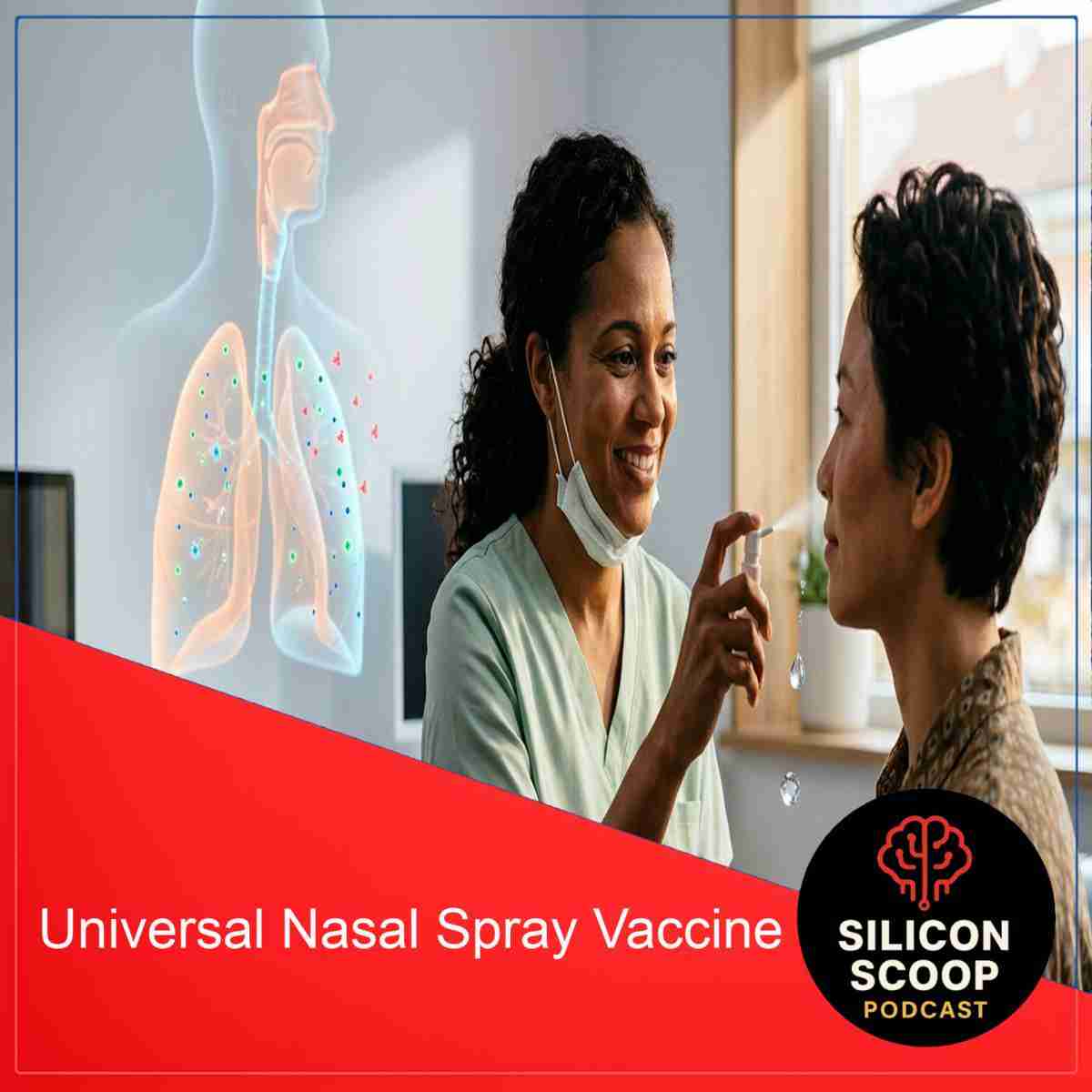
The Future of Vaccination: How the Universal Nasal Spray Vaccine Could Redefine Respiratory Protection
Estimated reading time: 10 minutes
Key Takeaways
- A breakthrough has arrived from Stanford Medicine—a universal nasal spray vaccine that could change respiratory protection forever.
- Researchers from Stanford Medicine and their collaborators have shown in preclinical mouse studies that a simple three-dose regimen delivered by nose spray creates months-long protection in the lungs.
- The approach works by boosting innate defenses in the respiratory tract rather than inducing only antibody-based responses.
- This proof-of-concept in mice demonstrates multi-pathogen protection and opens the door for future human trials.
- A Phase I clinical trial is planned to assess the safety, tolerability, and local immune responses in healthy adult volunteers.
Table of contents
- The Future of Vaccination: How the Universal Nasal Spray Vaccine Could Redefine Respiratory Protection
- Introduction: A New Era With Universal Nasal Spray Vaccine
- Mechanism of Action & Innate Immunity Enhancement
- Turn Busywork Into Growth
- Vaccine Design, Formulation, and Preclinical Study Overview
- Comparison with Traditional Vaccines & Real-World Impact
- Safety, Risks, and Regulatory Outlook
- Future Prospects and Public Health Implications
- Build a “Set-It-and-Scale” Operation
- Conclusion & Key Takeaways
- FAQ Section (10 Questions and Answers)
Introduction: A New Era With Universal Nasal Spray Vaccine
A breakthrough has arrived from Stanford Medicine—a universal nasal spray vaccine that could change respiratory protection forever. This experimental intranasal vaccine, also called the Stanford universal vaccine, is designed to reprogram lung immunity rather than target one specific virus or bacterium. It promises nasal spray vaccine benefits such as non-invasive application, direct targeting of the respiratory mucosa, and broad protection against many pathogens.
Researchers from Stanford Medicine and their collaborators have shown in preclinical mouse studies that a simple three-dose regimen delivered by nose spray creates months-long protection in the lungs. The approach works by boosting innate defenses in the respiratory tract rather than inducing only antibody-based responses. This could be the first step toward simplifying immunization protocols, reducing the burden of multiple seasonal injections, and preparing global health systems for future respiratory outbreaks.
Source: Stanford Medicine
Mechanism of Action & Innate Immunity Enhancement
The universal nasal spray vaccine works in a unique way compared with traditional vaccines. Rather than training only the adaptive immune system to recognize a specific pathogen, this new approach unleashes the power of innate immune system boosters. Here’s how it works:
- • Traditional Vaccines vs. the New Strategy
– Standard vaccines are designed to produce antigen-specific responses using B cells and T cells. They require painstaking updates to match changes in the virus.
– In contrast, the universal nasal spray vaccine uses synthetic immune-signaling cues. It sends signals directly to lung immune cells such as macrophages and dendritic cells.
– This signals a “ready” state in the lung tissue. Cells in the respiratory tract respond very quickly and broadly, giving multi-pathogen protection. - • How Innate Immune System Boosters Work
– The vaccine delivers molecules that mimic cytokine/chemokine‐like signals into the nose.
– These signals stimulate local innate immunity in the lung, teaching the epithelial and immune cells to respond rapidly.
– It creates the concept of “trained innate immunity,” meaning that the lung’s cells are better prepared to fight off viruses, bacteria, and allergens. - • Benefits Through a New Lens
– Unlike antigen-specific vaccines, this broad spectrum nasal vaccine works on a variety of pathogens.
– It uses mucosal delivery to ensure that immune cells in the respiratory tract are optimally positioned for defense.
Turn Busywork Into Growth
Reading about big breakthroughs is inspiring—running a business shouldn’t feel like a daily grind. If your team is drowning in admin, follow-ups, data entry, and repetitive processes, Flowgrammer can automate your workflows so you move faster with fewer mistakes.
Book a free automation consult and get back hours every week.
Automate My Business → Flowgrammer
Source: Stanford Medicine
Vaccine Design, Formulation, and Preclinical Study Overview
The design and formulation of this next generation respiratory vaccine marks a departure from the standard protein, mRNA, or inactivated virus vaccines. This is a “signal-mimic” platform that uses synthetic immune signals for tuning the lung’s defense mechanism. Let’s break it down:
- • Unique Vaccine Design
– The platform is not a conventional vaccine. Instead, it is engineered to simulate immune signals rather than deliver a pathogen antigen.
– Dosing in mice involved three intranasal administrations. Research shows that these three doses produced benefits lasting for at least three months.
– The focus remains on direct mucosal delivery that triggers rapid responses right in the lungs and airways.
– This method highlights nasal spray vaccine benefits because it bypasses the need for injections and enhances local immune activation. - • Preclinical Mouse Studies: Safety and Efficacy Findings
– Viral Challenge:
• Mice treated with the vaccine were later exposed to respiratory viruses like SARS‑CoV‑2 and other coronaviruses.
• Vaccinated mice showed sharply reduced viral loads in the lungs, minimal weight loss, and far less lung inflammation than controls.
– Bacterial Challenge:
• Studies tested protection against tough bacteria such as Staphylococcus aureus and Acinetobacter baumannii.
• Vaccinated mice experienced lower bacterial burdens and had milder lung pathology compared to unvaccinated groups.
– Allergen Challenge:
• Researchers used house dust mite extract to see if the vaccine could reduce allergic inflammation.
• The results indicated a markedly reduced allergic reaction in vaccinated mice.
This proof-of-concept in mice demonstrates multi-pathogen protection and opens the door for future human trials.
Source: Stanford Medicine
Comparison with Traditional Vaccines & Real-World Impact
The universal nasal spray vaccine stands out in the way it offers broad defense compared with traditional approaches. Let’s compare:
- • How They Differ
– Traditional vaccines are tailored to one pathogen at a time. For example, distinct vaccines are needed for COVID‑19 and seasonal influenza.
– The universal nasal spray vaccine is unique because it aims for a broad, pathogen-agnostic protection. Instead of a series of individual shots, one vaccine might protect against multiple respiratory threats.
– This method also leverages innate immune pathways instead of solely relying on antigen-specific (adaptive) immune responses. - • Real-World Benefits
– Rapid Defense During Pandemics: With its broad-spectrum nasal vaccine action, this product could act as an early defense while pathogen-specific vaccines are being developed.
– Reduced Need for Multiple Injections: It could replace several seasonal shots, streamlining vaccination protocols and reducing patient discomfort.
– Help in High-Risk Settings: Healthcare facilities and hospitals, where antibiotic use is common due to bacterial pneumonia, might see significant benefits from its multi-pathogen approach. - • Additional Advantages
– Lower antibiotic resistance: By preventing infections instead of treating them with antibiotics, this approach might contribute to reducing the overall use of antibiotics.
– Broad, rapid response: Its design makes it an attractive option for rapid implementation in global public health crises.
The benefits of this universal nasal spray vaccine, along with its Stanford universal vaccine concept, clearly highlight a potential shift away from traditional antigen-specific vaccines.
Source: Stanford Medicine
Safety, Risks, and Regulatory Outlook
For any new medical advancement, safety is of utmost importance. The preclinical mouse studies have provided promising early data, though more work is needed before human use.
- • Safety Profile in Animal Studies
– In mice, the vaccine was well-tolerated across the lungs.
– There was no severe systemic toxicity observed.
– Local lung inflammation was largely a response to challenge infections rather than the treatment itself. - • Theoretical Risks for Human Use
– Over-Activation Concern: The vaccine ramps up innate immune responses. In theory, this could over-activate lung immunity leading to excessive inflammation.
– Worsening of Pre-Existing Conditions: There is concern that individuals with asthma or chronic obstructive pulmonary disease (COPD) might experience exacerbation of their conditions.
– Long-Term Effects: While mouse studies have been short term, altering lung immunity over the long haul in humans remains uncertain. - • Regulatory Path and Future Trials
– A Phase I clinical trial is planned to assess the safety, tolerability, and local immune responses in healthy adult volunteers.
– Subsequent Phase II/III studies will look into efficacy, dosing, and further confirm protective benefits.
– Researchers plan to use careful monitoring techniques such as spirometry and biomarker analysis to track lung function over time.
While there is much promise, detailed investigations and clinical trials will be crucial to address known unknowns such as species differences, duration of protection, and breadth of pathogen coverage.
Source: Stanford Medicine
Future Prospects and Public Health Implications
If human trials of the universal nasal spray vaccine confirm its promise, the implications for public health and clinical practice could be transformative.
- • Transformative Prospects
– Simplified Vaccination Protocols: Imagine fewer seasonal injections. The universal nasal spray vaccine could significantly cut down on the number of shots needed each year.
– Enhanced Pandemic Preparedness: Its broad protection makes it an attractive candidate for a rapid-response defense during pandemics, buying time for more tailored vaccines to be developed.
– The “Respiratory Shield”: High-risk groups such as the elderly, healthcare workers, and immunocompromised individuals could gain a robust layer of defense with a single immunization. - • Broader Public Health Benefits
– Reduced Antibiotic Usage: With a decrease in severe bacterial lung infections, this vaccine could help curb the overuse of antibiotics and combat antibiotic resistance.
– Streamlined Healthcare: Fewer vaccinations and reduced disease burdens would mean less strain on healthcare systems, leaving resources available for other critical needs.
– New Avenues for Immune Modulation: With success in the respiratory tract, researchers may explore similar approaches for other mucosal sites such as the gut or skin. - • Clinical Practice Improvements
– Healthcare facilities might incorporate this ordinary yet powerful tool into routine care to prevent hospital-acquired pneumonia and other respiratory complications.
– It could complement targeted vaccine strategies so that patients receive sustained and broad immune protection.
This forward-thinking approach, combining the promise of multi-pathogen protection with advanced mucosal immunization strategies, could redefine what we expect from vaccination in the coming decades.
Source: Stanford Medicine
Build a “Set-It-and-Scale” Operation
When everything relies on manual steps, growth gets messy—leads slip, customers wait, and tasks pile up. Flowgrammer helps you streamline operations with smart automations that keep work moving 24/7, so you can scale without adding more staff or stress.
See what you can automate in 7 days (starting today).
Explore Automation Services → Flowgrammer
Conclusion & Key Takeaways
The universal nasal spray vaccine is more than just a new medical product—it represents a revolution in how we think about immune protection for our respiratory system. Here are the key points:
- • Revolutionary Mechanism:
– Instead of just targeting one virus or bacterium, the vaccine reprograms lung immunity using synthetic signals.
– This creates a primed state in local mucosal tissue, preparing it against a wide spectrum of pathogens, including viruses, bacteria, and even allergens. - • Design and Preclinical Success:
– Using a novel “signal-mimic” platform, the vaccine was administered intranasally in three doses in mice.
– Proof-of-concept studies have shown marked reductions in viral loads, bacterial burdens, and allergic responses in animal models. - • Real-World and Clinical Impact:
– Compared with traditional antigen-specific vaccines, this approach offers broad and rapid multi-pathogen protection.
– It promises to reduce the number of injections needed, simplify vaccination protocols, and bolster pandemic preparedness. - • Safety and Future Studies:
– Early animal studies indicate a good safety profile. However, comprehensive human trials are essential before this technology can be widely adopted.
– The planned Phase I trial will pave the way for broader human use if the benefits continue to outweigh the risks. - • Broader Implications:
– A positive outcome in human trials could change public health by reducing reliance on multiple seasonal vaccines.
– It could ultimately lower antibiotic use and reduce hospital-acquired infections, especially in settings where respiratory pathogens are prevalent.
This universal nasal spray vaccine could very well be the start of a new era in vaccination—one where broad-spectrum respiratory protection becomes standard practice. As we await the outcome of upcoming human trials, keeping a close eye on this breakthrough is vital for healthcare providers, policymakers, and the public alike.
Source: Stanford Medicine
Build a “Set-It-and-Scale” Operation
When everything relies on manual steps, growth gets messy—leads slip, customers wait, and tasks pile up. Flowgrammer helps you streamline operations with smart automations that keep work moving 24/7, so you can scale without adding more staff or stress.
See what you can automate in 7 days (starting today).
Explore Automation Services → Flowgrammer
FAQ Section (10 Questions and Answers)
1. What is a universal nasal spray vaccine and how does it differ from traditional vaccines?
Answer: A universal nasal spray vaccine is designed to broadly boost lung immunity by reprogramming the innate immune cells in the respiratory tract. Unlike traditional vaccines that target a specific virus or bacterium, this vaccine uses synthetic signals to provide protection against multiple pathogens and allergens. Keywords: universal nasal spray vaccine, next generation respiratory vaccines.
2. How does intranasal delivery improve protection against respiratory pathogens?
Answer: Intranasal delivery places the vaccine directly in the nose and lungs, where many respiratory pathogens enter. This direct application primes the local immune system quickly, creating a rapid and robust defense against a host of harmful invaders. Keywords: nasal spray vaccine benefits, universal nasal spray vaccine.
3. What evidence supports its effectiveness against multiple pathogens and allergens?
Answer: Preclinical studies in mice showed that after three doses of the vaccine, there was significant protection against various respiratory viruses (including SARS‑CoV‑2), bacteria (such as Staphylococcus aureus and Acinetobacter baumannii), and even allergens like house dust mite extract. This was evident in reduced viral loads, lower bacterial burdens, and milder allergic responses. Keywords: multi-pathogen protection, broad spectrum nasal vaccine.
4. How does the vaccine work to boost the lung’s innate immunity?
Answer: The vaccine delivers synthetic immune-signaling cues directly to the respiratory mucosa. These cues activate lung-resident immune cells, such as macrophages and dendritic cells, which become “trained” to respond quickly to a wide variety of pathogens. This trained innate immunity gives the lungs a universal defense. Keywords: innate immune system boosters, trained innate immunity.
5. What potential benefits does the universal nasal spray vaccine offer compared to separate seasonal shots?
Answer: This vaccine could potentially replace multiple seasonal injections (like separate COVID‑19 boosters and flu shots), reducing the need for multiple immunizations. Its broad protection approach streamlines the vaccination process and enhances rapid defense during pandemics or outbreaks. Keywords: future of flu shots, next generation respiratory vaccines.
6. What are the reported safety findings in the preclinical mouse studies?
Answer: In mouse studies, the vaccine was tolerated well. The mice experienced minimal local lung inflammation attributable to the vaccine, and there was no severe systemic toxicity observed. However, human safety data are still pending in future trials. Keywords: universal nasal spray vaccine, safety findings.
7. What are the potential risks of using this vaccine in humans?
Answer: Theoretical risks include an over-activation of the innate immune system, which might lead to an exaggerated inflammatory response, especially in individuals with asthma or COPD. Long-term effects and repeated dosing concerns are also areas that will need careful study in human trials. Keywords: universal nasal spray vaccine, clinical safety.
8. When can we expect human clinical trials for this vaccine?
Answer: A Phase I clinical trial is on the planning horizon, aimed at assessing the safety, tolerability, and immune activation in a small group of healthy adults. Successful early trials would set the stage for larger Phase II/III studies to further evaluate its efficacy and optimal dosing regimen. Keywords: universal nasal spray vaccine, human clinical trials.
9. How might this approach impact antibiotic use in healthcare settings?
Answer: By providing robust and broad protection against respiratory pathogens, this vaccine could reduce the occurrence of severe infections like bacterial pneumonia. This would likely lower the need for antibiotics, which in turn can help reduce the problem of antibiotic resistance in hospital and long-term care settings. Keywords: multi-pathogen protection, next generation respiratory vaccines.
10. What is the long-term potential of this vaccine in changing public health practices?
Answer: If this vaccine proves effective in human trials, it could transform public health by simplifying vaccination protocols, enhancing pandemic preparedness, and reducing the frequency of hospital acquired infections. Ultimately, it could serve as a universal respiratory shield, changing the way we protect against a wide array of respiratory diseases. Keywords: universal nasal spray vaccine, future of flu shots, next generation respiratory vaccines.
Each answer leverages the preclinical findings from Stanford Medicine and contextualizes the promise of a broad spectrum nasal vaccine for readers who want clear, concise, and valuable information.
In conclusion, while the universal nasal spray vaccine remains in its early stages, its potential to revolutionize respiratory protection is undeniable. Its innovative mechanism, broad multi-pathogen protection, and streamlined application method promise a future with fewer injections and improved public health defenses. Stay tuned for further updates as clinical trials pave the way toward real-world application.
Additional Links
Flowgrammer.ca – 💡 Unlock AI-Powered Automation! Let flowgrammer.ca handle complex workflows so you can focus on growing your business.
Flowgrammers.ca – 💡 Join Toronto’s Fastest Growing AI and Busiess Automation Community..
Flowgramming.space – 💡 AI Agent and Workflow Marketplace..
-
-
- Silicon Scoop Podcast – Stay Informed, Stay Ahead!
- Startup Talk Podcast
- Flowgrammer Podcast –
- Startup Investor Drinks – Join Toronto’s Startup Community and connect with fellow startup enthusiasts and investors.
- TorontoStarts Startup and Entrepreneur Community – Become a part of Toronto’s thriving startup ecosystem.
- Workhaus – Discover flexible workspace solutions for your business needs.
- Work with The Startup Coach – Get expert guidance and mentorship for your startup journey.
- Reach out to Jon Irwin on LinkedIn – Connect with our co-host and technology expert.
-
More from Silicon Scoop
All episodes
silicon-scoop · October 19, 2026
OpenAI’s Jalapeño Chip Stakes a Claim Against Nvidia Blackwell in Real-World AI Inference
OpenAI Jalapeno chip challenges Nvidia GB300 Blackwell with InferenceX AI benchmark results, reshaping AI inference accelerator efficiency and latency.
View episode

silicon-scoop · October 16, 2026
Meta’s $18 Billion Teen Safety Settlement: Soft Guardrails, Hard Leverage Over TikTok and YouTube
Deep dive on Meta teen safety settlement, social media addiction lawsuit, new Facebook Instagram time limits and pressure on TikTok YouTube age verification.
View episode

silicon-scoop · October 15, 2026
How Claude Mythos Is Reshaping Cryptanalysis: HAWK, AES and the Rise of AI-Driven Crypto Research
Claude Mythos cryptanalysis weakens HAWK post-quantum signature, speeds AES Möbius Bridge attack, and powers CryptanalysisBench benchmark in AI-driven crypto research.
View episode