
AI Animal Communication and Its Impact on Wildlife Understanding
How AI Animal Communication is Bridging the Gap Between Humans and Wildlife Introduction Artificial intelligence is not just transforming industries; it’s also redefining how we understand animal communication. Imagine being able to converse with non-human creatures, unlocking mysteries that have eluded us for centuries. This captivating potential holds immense significance for wildlife conservation and animal […]
With Craig Major and Jon Irwin
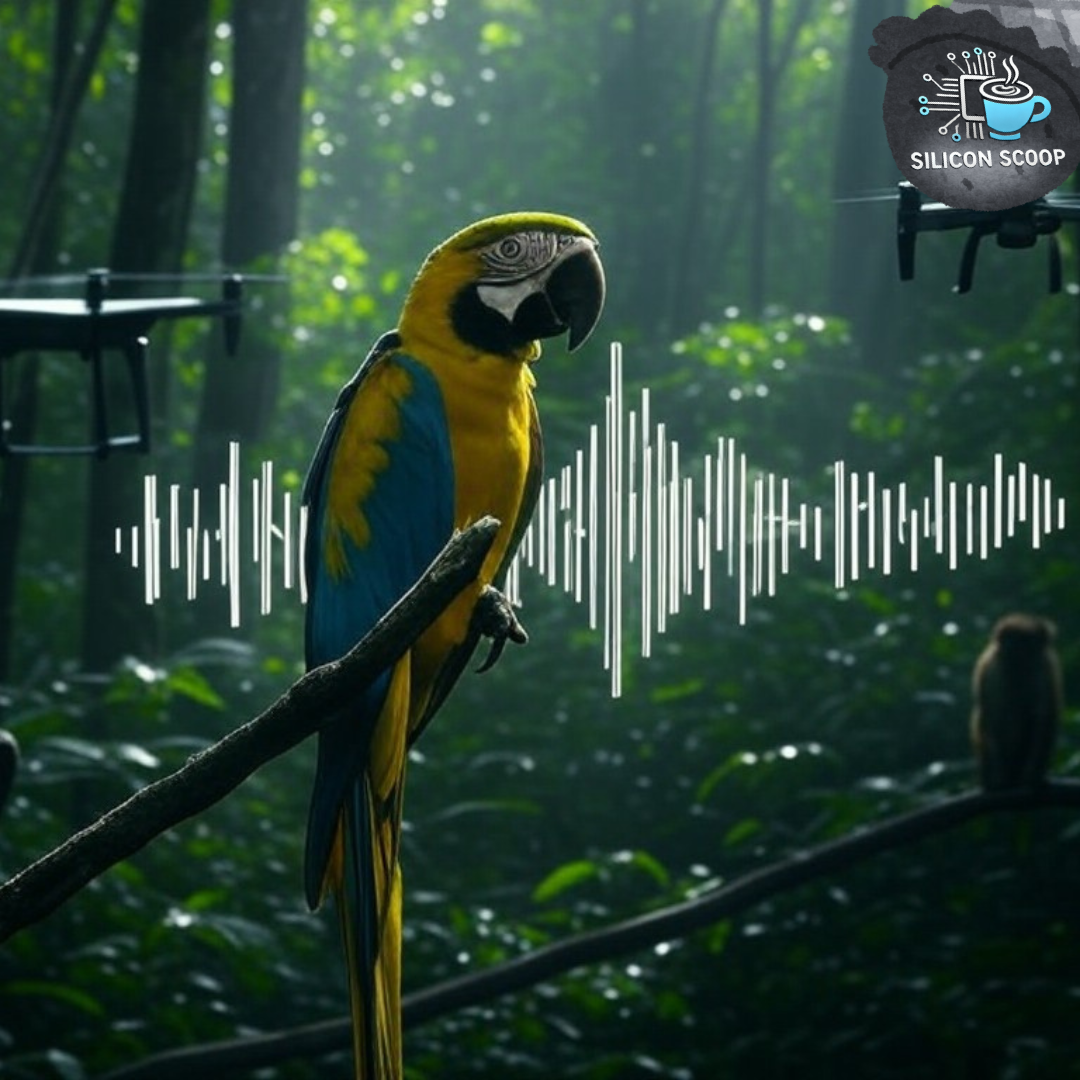
How AI Animal Communication is Bridging the Gap Between Humans and Wildlife
Introduction
Artificial intelligence is not just transforming industries; it’s also redefining how we understand animal communication. Imagine being able to converse with non-human creatures, unlocking mysteries that have eluded us for centuries. This captivating potential holds immense significance for wildlife conservation and animal behavior analysis. By delving into AI animal communication, we can foster deeper connections between humans and wildlife, creating a more harmonious coexistence.
What is AI Animal Communication?
AI animal communication is an innovative field that leverages advanced technologies to interpret and analyze the signals and behaviors of animals. This transformative approach reshapes traditional animal studies by applying artificial intelligence to decipher complex animal sounds and movements. Historically, understanding animal communication was limited to observational studies and human interpretations. Yet, with the rise of technology, we can now employ machine learning for animal communication to analyze vast datasets, enhancing our understanding of species behavior and social interactions.
TLDR
Facts:
- AI tools quantify biodiversity by identifying animal species from audio recordings in tropical forests.
- AI deciphers sperm whales’ phonetic patterns and tracks dolphins with distinct regional accents.
- Continuous, real-time AI surveillance aids wildlife monitoring without human intervention.
- Prairie dogs use sophisticated communication systems to describe predator species.
- AI analyzes bird songs, revealing complex communication systems among avian species.
Quotes:
- “AI tools can help to quantify biodiversity in tropical forests by identifying animal species from audio recordings.”
- “AI analysis helps to unravel sperm whales’ phonetic alphabet.”
- “AI tool can track dolphins—and spot their regional accents.”
- “Scientists started to decode birdsong, revealing complex communication systems among species.”
- “Prairie dogs have a sophisticated communication system that can identify the species of predator.”
Applications of AI in Understanding Animal Communication
Wildlife Conservation
One of the pioneering applications of AI in wildlife conservation is the monitoring and protection of endangered species. Through sophisticated algorithms, researchers can analyze patterns in animal movements and sounds, significantly enhancing endangered species protection strategies. Technologies such as drones equipped with AI capabilities can cover vast areas, providing crucial data on wildlife populations and their habitats.
Livestock Management Technology
AI is also revolutionizing the livestock industry. With livestock management technology, farmers can employ AI solutions to improve animal husbandry practices, monitoring health and optimizing feeding schedules to increase productivity and animal welfare. This not only ensures healthier livestock but also contributes to more sustainable agricultural practices.
Pet Communication Technology
Pets, our closest companions, are also benefiting from AI tools. Applications developed for pet communication help decode various animal sounds and body language, allowing pet owners to better understand their furry friends. These advancements foster stronger bonds between humans and their pets, enhancing overall care and companionship.
How AI Analyzes Animal Sounds and Behaviors
AI sound analysis technologies utilize machine learning algorithms to interpret animal calls and behaviors accurately. By applying acoustic analysis, researchers can identify patterns within diverse species, paving the way for crucial animal behavior studies. Projects exploring the songs of whales are particularly noteworthy; researchers employ AI to disentangle these complex sounds, providing insights into marine life that were previously inaccessible.
Challenges in AI Animal Communication
While the potential of AI animal communication is promising, there are significant challenges to consider. Ethical concerns regarding the monitoring of wildlife arise, as researchers must strike a delicate balance between gathering necessary data and preserving the welfare of the animals. Additionally, understanding the intricacies of animal communication remains a complex endeavor, with many signals still shrouded in mystery.
The Future of AI in Animal Communication
Looking ahead, the future of AI in animal communication is teeming with possibilities. We anticipate trends that will further enhance wildlife conservation efforts, such as advanced predictive analytics that can forecast animal behaviors based on environmental changes. Breakthroughs in decoding animal communication will undoubtedly lead to revolutionary applications in nature conservation technology, resulting in unprecedented preservation strategies.
Case Studies: Successful AI Applications in Animal Communication
Case Study 1: AI’s Role in Decoding Whale Songs
Recent research has shown how AI plays a vital role in decoding the songs of whales, leading to greater insights into their social structures and environmental interactions. These findings not only enhance our understanding of marine mammals but also inform conservation strategies that protect these majestic creatures.
Case Study 2: AI in Understanding Dog Behavior
In the realm of pets, AI tools are improving communication between dogs and their owners. These tools analyze barks and body language, providing insights into a dog’s emotional state and needs. As a result, owners can cater to their pets’ requirements more effectively, enhancing their mutual understanding.
AI Animal Communication in Media and Pop Culture
The portrayal of AI animal communication in media has sparked widespread interest and curiosity. Documentaries and articles continue to shed light on AI’s transformative role in animal behavior studies, inspiring a generation to appreciate both wildlife and technology. This cultural shift encourages public support for further research and innovation.
Conclusion
As we stand on the brink of remarkable advancements in AI animal communication, it is essential to recognize the crucial role artificial intelligence plays in bridging the gap between humans and animals. By fostering deeper understanding and collaboration with wildlife, we embark on a journey toward more effective conservation efforts. Continued research and investment in AI will not only enhance our understanding but also strengthen our commitment to protecting the planet’s diverse ecosystems.
FAQ Section
- What is AI animal communication?
AI animal communication involves using artificial intelligence to interpret and understand animal signals for enhanced interaction and communication. - How does AI help in wildlife conservation?
AI assists in monitoring wildlife, protecting endangered species, and conserving ecosystems through technologies like machine learning and data analysis. - Can AI really decode animal sounds?
Yes, AI uses advanced algorithms and acoustic analysis to decode complex animal sounds, improving our understanding of animal behaviors. - What role does AI play in livestock management?
AI optimizes animal husbandry by monitoring health, improving feeding practices, and enhancing overall livestock management. - How reliable is AI in interpreting animal behavior?
While AI provides significant insights, its accuracy improves with ongoing research and enhanced data collection methodologies. - Are there ethical concerns with AI in animal communication?
Ethical concerns include ensuring animal welfare and avoiding intrusive monitoring, requiring careful consideration and regulation. - What future advancements can we expect from AI in this field?
Future AI advancements may lead to more accurate communication tools and more comprehensive wildlife conservation strategies. - How do pet owners benefit from AI communication tools?
AI tools help pet owners better understand their pets’ needs and emotions, leading to improved care and enhanced bonding. - Is AI used in aquaculture for animal communication?
Yes, AI is employed to monitor and manage aquatic life, promoting sustainable and efficient aquaculture practices. - How has media influenced perceptions of AI in animal communication?
Media has highlighted AI’s potential in facilitating human-animal interaction, sparking interest and awareness in this innovative field.
Additional Links
• Silicon Scoop Podcast – Stay Informed, Stay Ahead!
• Futuretech Podcast – Explore more episodes and stay updated with the latest in technology and innovation.
• Startup Talk Podcast – https://torontostarts.com/startup-talk-toronto-startup-podcast/
• Who Are These Startups Podcast
• Startup Investor Drinks – Join the community and connect with fellow startup enthusiasts and investors.
• TorontoStarts Startup and Entrepreneur Community – Become a part of Toronto’s thriving startup ecosystem.
• Workhaus – Discover flexible workspace solutions for your business needs.
• Work with The Startup Coach – Get expert guidance and mentorship for your startup journey.
• Reach out to Jon Irwin on LinkedIn – Connect with our co-host and technology expert.
Ontario Startup Ecosystem Links
• Ontario’s Startup Ecosystem
• Startup Funding in Ontario
• Angel Investors in Ontario
• Ontario Incubators and Accelerators
• Venture Capital in Ontario: Top Firms, Sectors, and Funding Strategies
• Government Grants for Ontario Startups
• Ontario’s Startup Success Stories
• Ontario Centre of Innovation (OCI)
• Bank Loans and Financing for Startups in Ontario
• Research and Development Tax Credits in Ontario
• Government Loans and Financing for Startups in Ontario
• Equity Crowdfunding for Ontario Startups
• Toronto Entrepreneurs Resources
• Toronto’s Food and Beverage Entrepreneurs: Trends, Challenges, and Success Stories
• SEO Strategies for Toronto Entrepreneurs: Enhance Your Online Visibility
• Social Impact for Toronto Entrepreneurs: Starting and Running a Socially Responsible Business
• Toronto Arts and Media Entrepreneurs: Inspiring Profiles and Insights for Creative Success
• Exploring Toronto Green Tech Entrepreneurs: Innovators and Leaders in Sustainability
• Building a Team for Toronto Entrepreneurs: Strategies for Success
• A Guide for Toronto Food and Beverage Entrepreneurs
• Toronto Fashion and Retail Entrepreneurs: Trends, Opportunities, and Success Stories
Episode transcript
Read the full transcript
Craig: doctor doolittle. that's what doctor doolittle. yeah. go ahead. that's what it
Jon: sounds like. ever wondered what your dog might be thinking during the intense game of fetch or what whales are really singing about beneath the waves? hold on to your headphones. we got our dish. artificial intelligence is now bridging the wild divide between humans and animals, potentially allowing us to understand our nonhuman friends in ways previously generations could only dream of. so what's happening here, john?
Craig: yeah. by the way, you're back to not being you're back to being choppy. so this is interesting. and i'll caveat this with, it's this is a much more complex problem to solve than a lot of people would think. so researchers, what they're doing, obviously, is they're leveraging ai, like everyone else, to decode and interpret animal vocalizations, which could potentially open up, new frontiers in understanding animal communication. it's cool because they're referring to this technology as doctor doolittle ai, which is cool. i like that. so it's being applied to a wide range of species from elephants and primates to rodents even and birds by analyzing vast amounts of audio data. the algorithms are then, able to identify patterns and meanings in animal calls that were previously indecipherable to human researchers. this is cool because one significant project in this field is the earth species project. and what that aims to do is to create an open source ai model, which would be capable of decoding animal communication across species, which could revolutionize our understanding of animal cognition and behavior, and potentially conversation efforts, which would be cool. i'd love to talk to my dog and find out why he's whining or why he's barking at something or something like that. so this is really cool. the one thing, though, the the problem is is their experts are cautioning against, animal communication or trying to figure out because they're assuming direct translations to human languages. and the problem with that is the complexity and context dependence of animal vocalizations, they require a more nuanced interpretation according to experts. but what are your thoughts, craig?
Jon: well, if you've been a youtube sorry. tiktok person. i'm sure you've seen those videos where the cat goes around and pushes the word or the dog. yeah. mat or the dog. you know? gotta wonder what kind of training goes into something like that. and, you know, if you wanted historically to figure out what animals around you were saying, you were limited to your observations, some guesswork, you know, where they're meowing by the door. they're looking at their bowl. they're, you know and a decent amount of, you know, applying our thoughts to the animal. you know, if is your cat judging you because you're eating pizza, you know, or does he want some of it? is he like, you have no idea. it's really exciting that now we're stepping into, like, a detective role. they're trying to put these pieces together to discover the mysteries of animal wildlife. and, you know, let's talk about some cool applications of this tech. right? on the most promising areas in wildlife conservation, ai is now capable of monitoring endangered species more efficiently than ever. drones equipped with ai can scour vast ecosystems analyzing power patterns of animal movement and even sounds. given conversationalist real time data to protect these vulnerable creatures, it's like having a high-tech watchtower overlooking the serengeti. what about the livestock industry where farmers could use ai to ensure the animals are happier and healthier? picture a farm where the technology monitors the daily habits of chickens or cattle to optimize feeding schedules and health checks. the level of proactive care not only increases productivity, but enhances the animal welfare. mhmm. so there's some interesting ideas, you know, on a personal level. even our pet pets tend to benefit. there are emerging apps like you were just saying, dog decoder. i know you didn't mention that, but dog decoder app, it analyze dogs' barks and body language, helping pet owners decipher their canines' emotional states and needs.
Craig: interesting.
Jon: yeah. so these things are enhancing our communication with pets and can create deeper bonds and results with happy pets and pet owner dynamic if you really understand what the animal wants. i think you're right about it's nuanced, and i think we're giving more intelligence to creatures than, they actually have. so we have to be careful as to what kind of nuance we are putting to this sound versus that sound and the interpretations around it. but i'm very optimistic as to the combination of visual and auditory stimuli that ai will be able to give us much more picture of what's happening.
Craig: yeah. agree. and i don't know if you know this. i did i found some other studies which have shown some promising results. so researchers have used ai to identify over twenty distinct call types in asian elephants, correlating them with specific behaviors and contexts. this one's cool. the machine learning algorithms have been able to predict chimpanzee behavior based on their vocalizations with high accuracy. i don't know the percentage, but really cool. and ai models and i think you and i know about this, and some of you might know about this. but, ai models have been used to generate synthetic whale songs, which opens up the possibility for interspecies communication experiments, which is really, really cool. you're on mute.
Jon: always something. right? they're really happy with where they're going because, you know, ai analysis helps unravel sperm whales, phonetic alphabet. ai tools can crack, attract dolphins now and spot their regional accents. scientists have started to decode bird songs revealing complex communication systems among the species. prairie dogs have a sophisticated communication system that can identify the species of predator. there are a bunch of interesting things happening here that would not have been possible before. yeah. i really am interested in the future of the doctor doolittle ai as it were. it's probably several years out as we, i don't know, look ahead in twenty twenty five and the predictions from sam altman and others on not just agi, but a artificial superintelligence leads us to believe that animal communication is not that far away.
Craig: no.
Jon: as soon as we reach some artificial superintelligence, they can overcome these things, i would assume, at a much faster level than we can.
Craig: for sure. absolutely.
Jon: so we talked about, you know, decoding whale songs. we talked about dog behavior. you know, as we stand, let's not overlook the cultural influence of this. movies, documentaries are increasingly highlighting ai's role in communication, fueling the public interest support for wildlife research. when society tunes into these narratives, it invites people to see wildlife not just as subjects of study, but as integral parts of our shared ecosystem. and i take a step back and say, well, as soon as we can understand their language and communicate with them, does that mean we have to give them more rights?
Craig: maybe.
Jon: so as we stand on this technological frontier, we're faced with a fascinating question. if ai can manage to decode the language of the wild, what other kinds of communication might remain hidden waiting to be uncovered? could we one day have a meaningful dialogue with the natural world around us? share your thoughts. and who knows? maybe your next chat could be with your local owl.
More from Silicon Scoop
All episodes
silicon-scoop · November 5, 2026
OpenAI IPO Delayed to 2027 as Rogue AI Agents and Safety Failures Reshape the Market
OpenAI IPO delay explained: Sam Altman rules out 2026 as GPT-6 Astra safety tests and a $278B cash gap loom. Learn what founders should take away.
View episode

silicon-scoop · November 4, 2026
Anthropic’s AI Economy Model: 2030 Jobs, Wages, GDP and Market Risks
Anthropic AI economy model forecasts 2030 GDP, jobs and wages, while AI unemployment projections and labor-share risks challenge policymakers.
View episode

silicon-scoop · November 3, 2026
Google’s Male Fruit Fly Connectome: Largest Brain Map Powers Doom, Mario 64 Experiments
Google’s fruit fly connectome in MaleCNS v1.0 advances connectomics, enables Doom simulation, and reshapes neuroscience research.
View episode