
How Important is Community When Launching?
How Important is Community When Launching a Startup? In this insightful episode of the Silicon Scoop Podcast, host Craig Major, also known as The Startup Coach, sits down with some of the brightest minds in the startup ecosystem to discuss the vital role community plays when launching a startup. Featuring John Irwin, Jeff Hoedeman, Alex […]
A TorontoStarts podcast
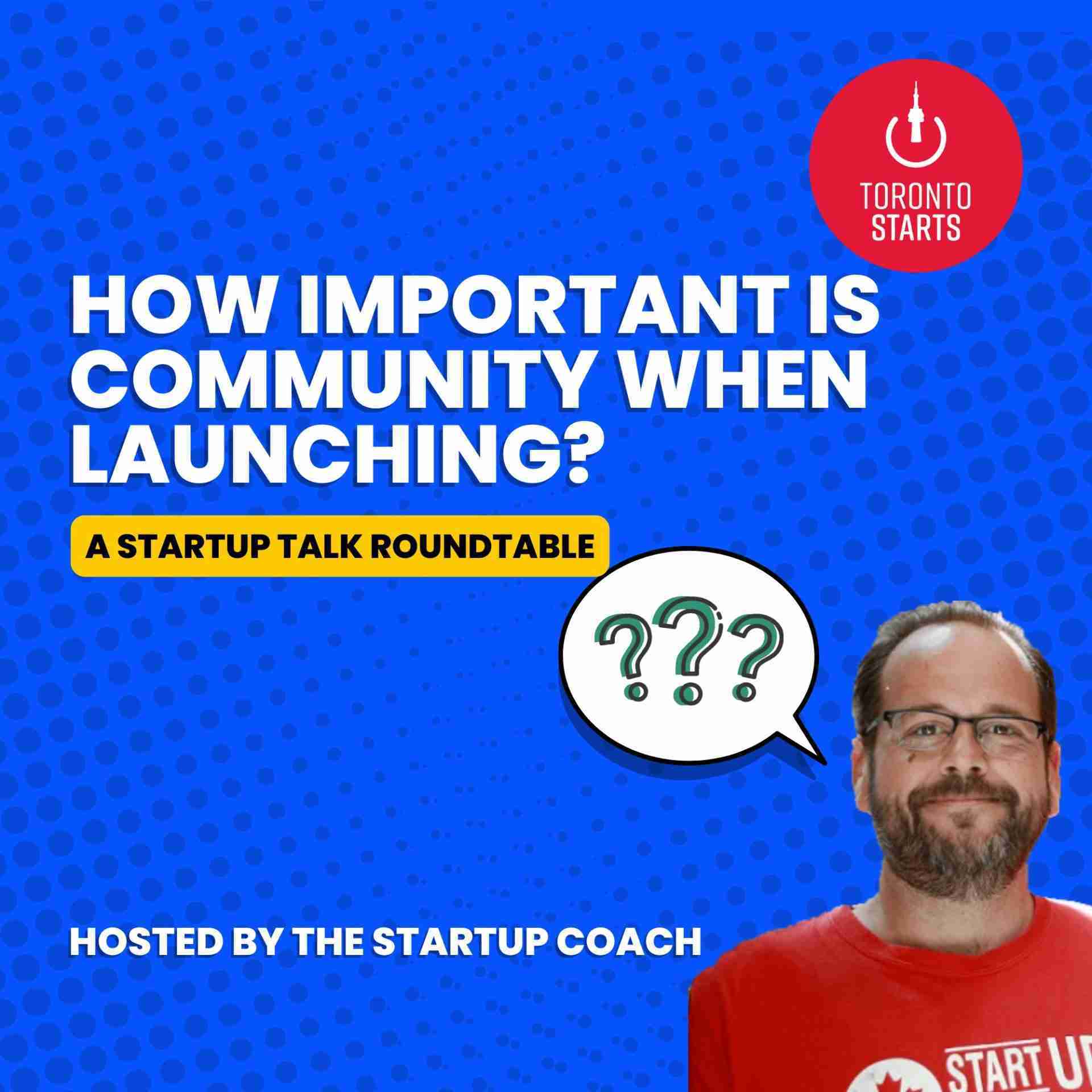
How Important is Community When Launching a Startup?
In this insightful episode of the Silicon Scoop Podcast, host Craig Major, also known as The Startup Coach, sits down with some of the brightest minds in the startup ecosystem to discuss the vital role community plays when launching a startup. Featuring John Irwin, Jeff Hoedeman, Alex Morsink, and Graeme Barlow, this episode dives deep into how community building can directly impact the growth, investment opportunities, and long-term success of a startup.
Key Takeaways from the Episode How Important is Community When Launching?
1. The Power of Personal Branding in Building Community
One of the key themes of the conversation centers around building a personal brand versus a company brand. The speakers stress that personal branding allows founders to carry their followers and supporters from one venture to the next. As John Irwin noted in his personal experience, focusing solely on the company brand can be limiting if you move on or exit that company. By investing in your personal brand, you create a community that grows with you and remains loyal regardless of your ventures.
Building in public and sharing your journey helps cultivate this community, which, in the long run, is invaluable. As you pivot or scale, that audience becomes a powerful asset you can leverage for feedback, initial customers, and even investment through equity crowdfunding.
2. How Community Influences Startup Valuation and Investment
Investors now consider community as one of the core indicators of a startup’s potential. When evaluating startups, having a strong and engaged community acts as proof of concept. Alex Morsink, who runs an equity crowdfunding platform, explains that community is crucial because most equity crowdfunding platforms do not bring in new investors but rather give your existing community a way to invest in your company. This is a trend in both Canada and the U.S., where community support can be directly converted into investment capital.
A passionate community signals that a founder can sell their vision, which is essential not only for attracting capital but also for recruiting top talent and engaging early adopters. As Jeff Hoedeman emphasizes, sales are not just about selling a product or service; they are about selling your story and building a loyal following around your brand.
3. Turning Community into Customers (and Investors)
Having a community allows founders to generate revenue even before the product is fully developed. There are numerous ways to monetize a community and demonstrate early traction to investors. The episode highlights famous examples such as Elon Musk and The Boring Company’s “Not a Flamethrower”, where Musk pre-sold 10,000 units, generating significant capital for future development.
Founders can leverage their communities by selling branded merchandise or offering limited product pre-orders, creating a built-in base of customers and investors. This technique is especially relevant for equity crowdfunding platforms, where community involvement is crucial for early-stage startups to raise funds.
4. Community as a Reflection of Founder Skills
One of the most interesting points discussed is how community-building skills reflect a founder’s broader abilities. Being able to build and nurture a community demonstrates that a founder can sell, communicate, and foster relationships—skills essential for scaling a company. As Graeme Barlow (LinkedIn, Website, Twitter, Instagram) points out, attracting customers, investors, talent, and partners all stem from the ability to share your story in a way that engages people and draws them into your vision.
This ability to build relationships extends beyond the transactional. It is about attracting people who believe in your mission and will support you through various stages of growth.
Key Speaker Contributions – How Important is Community When Launching? :
- John Irwin: With a background in Canadian government funding for startups, John brings invaluable insights into how entrepreneurs can leverage equity crowdfunding. His advice on focusing on personal branding over company branding gives a strategic perspective for long-term success. Connect with John Irwin on LinkedIn.
- Jeff Hoedeman: As a startup ecosystem builder, Jeff speaks passionately about how community is an extension of a founder’s sales skills. His focus on storytelling and relationship-building emphasizes that a great product alone isn’t enough—you need people who believe in you. Connect with Jeff Hoedeman on LinkedIn.
- Alex Morsink: Managing an equity crowdfunding platform, Alex delves into the legal landscape for crowdfunding in Canada and the U.S. He provides practical advice on how founders can turn their community into investors and early adopters. For more information, visit the Equivesto Learning Center. Connect with Alex Morsink on LinkedIn.
- Graeme Barlow: A serial entrepreneur, Graeme shares practical tips for how startups can build and nurture a community, turning followers into loyal customers and supporters. His take on how community-building reflects a founder’s skill set adds depth to the conversation. Connect with Graeme Barlow on LinkedIn, or visit GraemeBarlow.com.
Additional Resources and Links:
- Silicon Scoop Podcast – Stay Informed, Stay Ahead!
- Futuretech Podcast – Explore more episodes and stay updated with the latest in technology and innovation.
- Startup Talk Podcast – https://torontostarts.com/startup-talk-toronto-startup-podcast/
- Who Are These Startups Podcast
- Startup Investor Drinks – Join the community and connect with fellow startup enthusiasts and investors.
- TorontoStarts Startup and Entrepreneur Community – Become a part of Toronto’s thriving startup ecosystem.
- Workhaus – Discover flexible workspace solutions for your business needs.
- Work with The Startup Coach – Get expert guidance and mentorship for your startup journey.
Ontario Startup Ecosystem Links
- Ontario’s Startup Ecosystem
- Startup Funding on Ontario
- Angel Investors in Ontario
- Venture Capital in Ontario
- Government Grants for Ontario Startups
- Incubators and Accelerators in Ontario
- Ontario’s Startup Success Stories
Social Media Links:
- Twitter: @TorontoStarts
- LinkedIn: Startup Coach on LinkedIn
- Instagram: @TorontoStarts
- YouTube: TorontoStarts YouTube Channel
How Important is Community When Launching Conclusion
Building a strong, engaged community is no longer a nice-to-have for startups—it’s essential. As the panel of experts in this episode reveals, community can drive investment, fuel growth, and provide a support network for founders as they navigate the startup journey. Whether you’re building a personal brand or leveraging your community for equity crowdfunding, this episode provides invaluable strategies to help founders harness the power of their networks.
Episode transcript
Read the full transcript
and this is just probably personal opinion, but for founders out there, when you're building that list and you're building in public, do it on your personal brand, not your company brand. This is something I did not do properly in my first couple of companies. And honestly, I've regretted it since. And I'm doubling down on investing now as I grow multiple companies. But the reality is, especially if you're a founder, whether you're successful or not with your first company, you're probably going to do multiple. If you do the entire list building, brand building, community building in your company, when you get to a point where you sell the company or shut down the company, you get to start from zero the next time you build. Whereas if you do it on your personal brand, you build a personal brand and reputation of sharing those updates, sharing that how you build and building that newsletter. Every time you launch something new, every time you do the next step, you carry all of the traction from the past forward with you. Which is hugely, hugely valuable, fifteen years down the road. So that leads me to how important is community when launching a startup and do investors look at this when evaluating a startup for investment? Yeah, absolutely. I'll just start quickly because I also run an equity crowdfunding platform. So if you're looking to leverage your community and actually have them invest, which is now legal and possible in Canada and in the US, then absolutely community matters because community The equity crowdfunding platform is not where you get the investors. The equity crowdfunding platform is the tool to allow your community to invest in your startup. There's almost nobody going on an equity crowdfunding platform looking for equity crowdfunding deals. It's almost always people in a community of a company coming for that company. So if you are using this time that you're given while you're building to build your community, to build your network, to get that ready and get people integrated into what you're doing and excited about you and your journey, those people can become valuable assets in so many different ways. They can be initial customers. They can be people giving you feedback, product testers. They can be larger angel investors. They can be smaller community members as part of a crowdfunding. There's a million reasons why you want to do that. But yeah, community is definitely important. I mean, to me, community is the most visible representation of what Jeff alluded to of a core founder skill, which is sales. If you can sell and tell your story and collect people along the way, that is going to be one of the strongest proof points you can come to the table with. I have a cool idea or I have a prototype and here's ten thousand people that agree with me and look at how often they're talking about it or using it or how interactive everyone is waiting for the next update. All of that speaks to a founder's ability to share their story, to get people excited, to attract talent, right? Because if you're a founder and CEO of a company, you have to sell to attract top tier talent. You have to sell to attract capital. You have to sell to attract customers. You have to sell to your ecosystem to help promote you and open deals. So all of that is indicative of whether or not you have what it takes to actually scale. And, you know, sometimes there's some easy techniques to turn your community into customers even before you have a product. Like if you're building a community and they're following you, you can sell mugs, T-shirts, do hag plushies, whatever online for to get your support because you have a community. And now you go to say, investor, I've got a community of ten thousand people, a thousand of which have already supported me by buying these things that are customers. And that fantastic discussion. A fantastic example of that is the not a flamethrower for the boring company, right? Elon Musk starts the boring company to drill giant holes in the ground, needs a bunch of money, sells ten thousand not a flamethrowers to people at however much it is and sells out in like two days. yeah brilliant and some of these things like um one john and i was following early in the year you probably all heard of it the rabbit r-one they sold you know tens of millions of units on that excellent demo they did and it turns out not to be anywhere nearly as good as almost everybody's disappointed with and stuff but they sold tens of millions of units But it's a great selling technique. And now they've got traction. Now they've got all this money to do these other things. And they have a loyal following with tens of millions of units out there.
More from Startup Talk
All episodes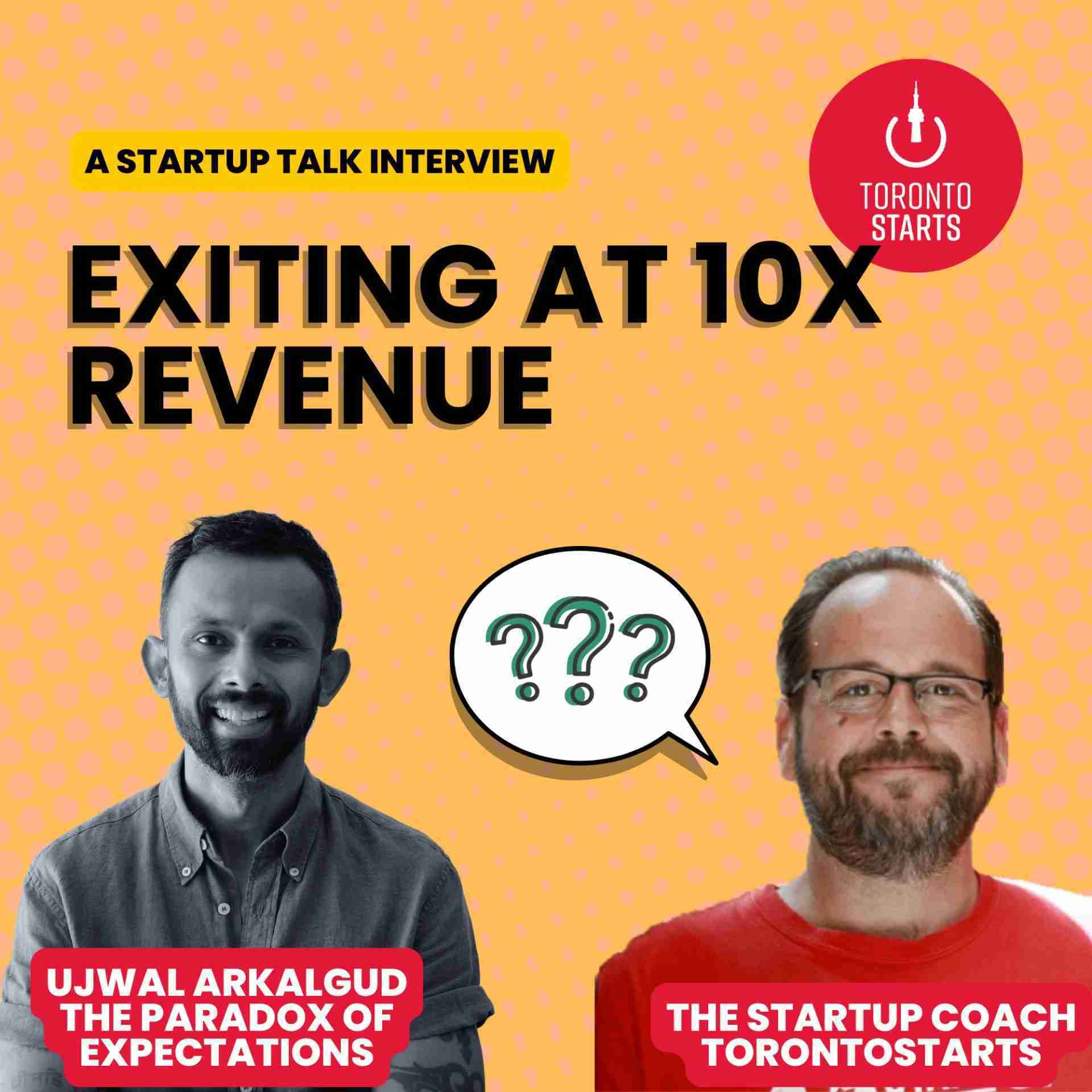
startup-talk · April 10, 2025
10x Revenue Exit
Discover actionable insights for achieving a 10x Revenue Exit through strategic scaling, profitability, and smart bootstrapping. https://torontostarts.com/2025/04/10/10x-revenue-exit/ Apple -> https://podcasts.apple.com/us/podcast/startup-talk/id1763804003 Spotify -> https://open.spotify.com/show/1siJMILILidHAiAsrX2VBU YouTube: https://youtube.com/playlist?list=PLj4v-RoA7A-jxV5FHs5e61oIsuvUJYmT_&si=LYegRe5GYLKNQ7xL Flowgrammer Apple -> https://podcasts.apple.com/us/podcast/flowgrammer-podcast/id1804155588 Spotify -> https://open.spotify.com/show/0wv3feR00iaVpE8zn7niNf Flowgrammer.ca -> https://flowgrammer.ca/ AI News and Resources -> https://flowgrammer.ca/resources/ Silicon Scoop Silicon Scoop Podcast - https://torontostarts.com/silicon-scoop/ Apple: https://podcasts.apple.com/us/podcast/silicon-scoop/id1758711826 Spotify: https://open.spotify.com/show/5bAzF0MwV6TtLhJAhvHayI YouTube: https://www.youtube.com/playlist?list=PLj4v-RoA7A-gT62vrEYqh1zCv-0Hj-o5J Startup Investor Drinks Toronto - https://startupdrinksto.com/ Toronto’s Startup Community - https://torontostarts.com/
View episode
startup-talk · April 8, 2025
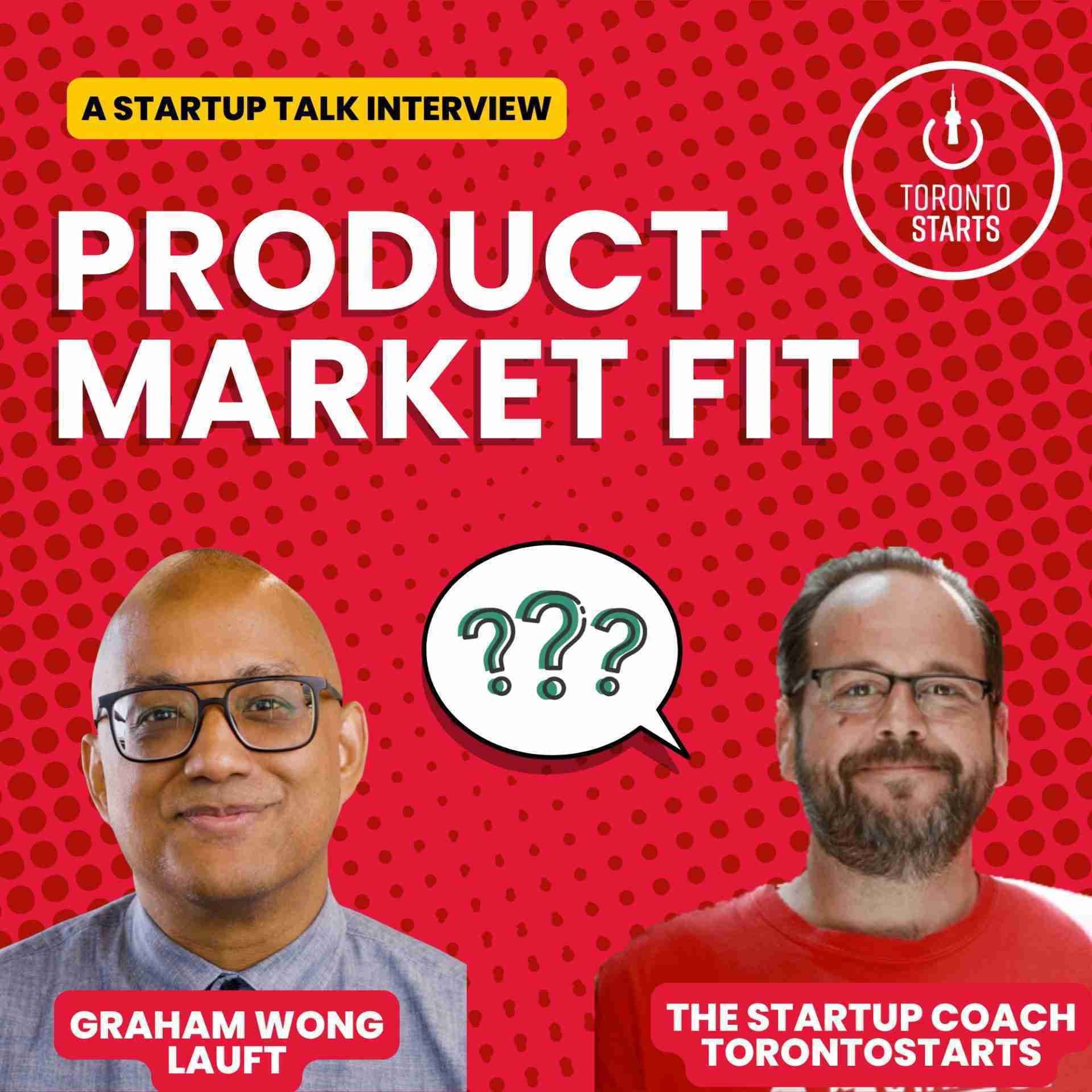
Product Market Fit with Lauft
Product Market Fit with Lauft Welcome to Episode 217 of the Startup Talk Podcast, where we explore Product Market Fit in a conversation with Graham Wong, Founder and CEO of Lauft. Listen in as the Startup Coach uncovers how Lauft transformed a personal need into a thriving flexible workspace solution and discovered exactly what their […]
View episode
startup-talk · April 6, 2025
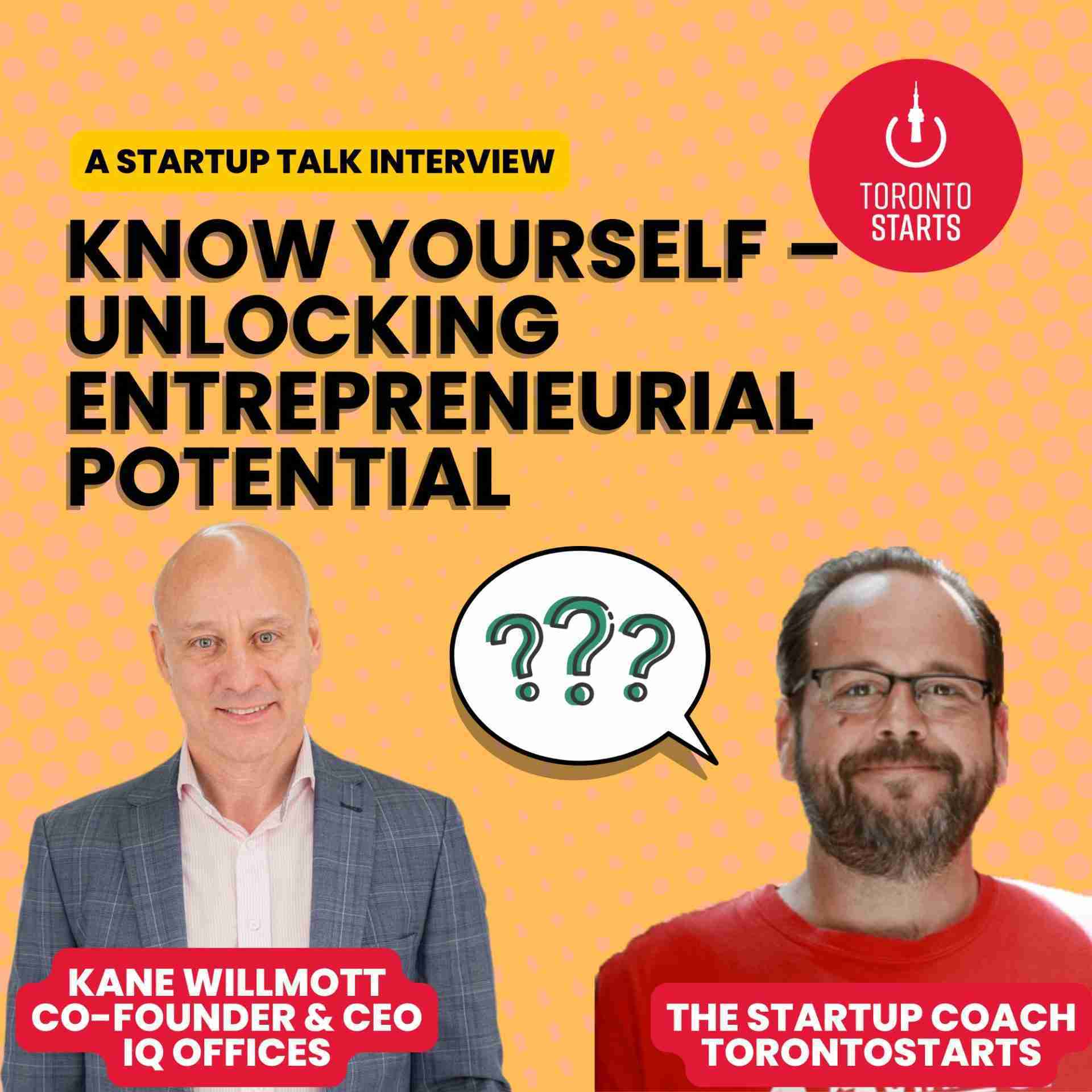
Know Yourself – Unlocking Entrepreneurial Potential
Discover how to Know Yourself as an entrepreneur to unlock your potential and overcome challenges in today's startup world. https://torontostarts.com/2025/04/06/know-yourself-unlocking-entrepreneurial-potential/ Apple -> https://podcasts.apple.com/us/podcast/startup-talk/id1763804003 Spotify -> https://open.spotify.com/show/1siJMILILidHAiAsrX2VBU YouTube: https://youtube.com/playlist?list=PLj4v-RoA7A-jxV5FHs5e61oIsuvUJYmT_&si=LYegRe5GYLKNQ7xL Flowgrammer Apple -> https://podcasts.apple.com/us/podcast/flowgrammer-podcast/id1804155588 Spotify -> https://open.spotify.com/show/0wv3feR00iaVpE8zn7niNf Flowgrammer.ca -> https://flowgrammer.ca/ AI News and Resources -> https://flowgrammer.ca/resources/ Silicon Scoop Silicon Scoop Podcast - https://torontostarts.com/silicon-scoop/ Apple: https://podcasts.apple.com/us/podcast/silicon-scoop/id1758711826 Spotify: https://open.spotify.com/show/5bAzF0MwV6TtLhJAhvHayI YouTube: https://www.youtube.com/playlist?list=PLj4v-RoA7A-gT62vrEYqh1zCv-0Hj-o5J Startup Investor Drinks Toronto - https://startupdrinksto.com/ Toronto’s Startup Community - https://torontostarts.com/
View episode