
Portable Hydrogen Cartridges: Clean Energy and Portable Power Solutions
Portable Hydrogen Cartridges: Revolutionizing Clean Energy and Portable Power Solutions The future of energy is changing rapidly, and portable hydrogen cartridges are emerging as a key innovation. These small, portable devices are set to revolutionize how we think about clean energy, offering a sustainable alternative to traditional batteries and fossil fuels. Whether you’re a tech […]
With Craig Major and Jon Irwin
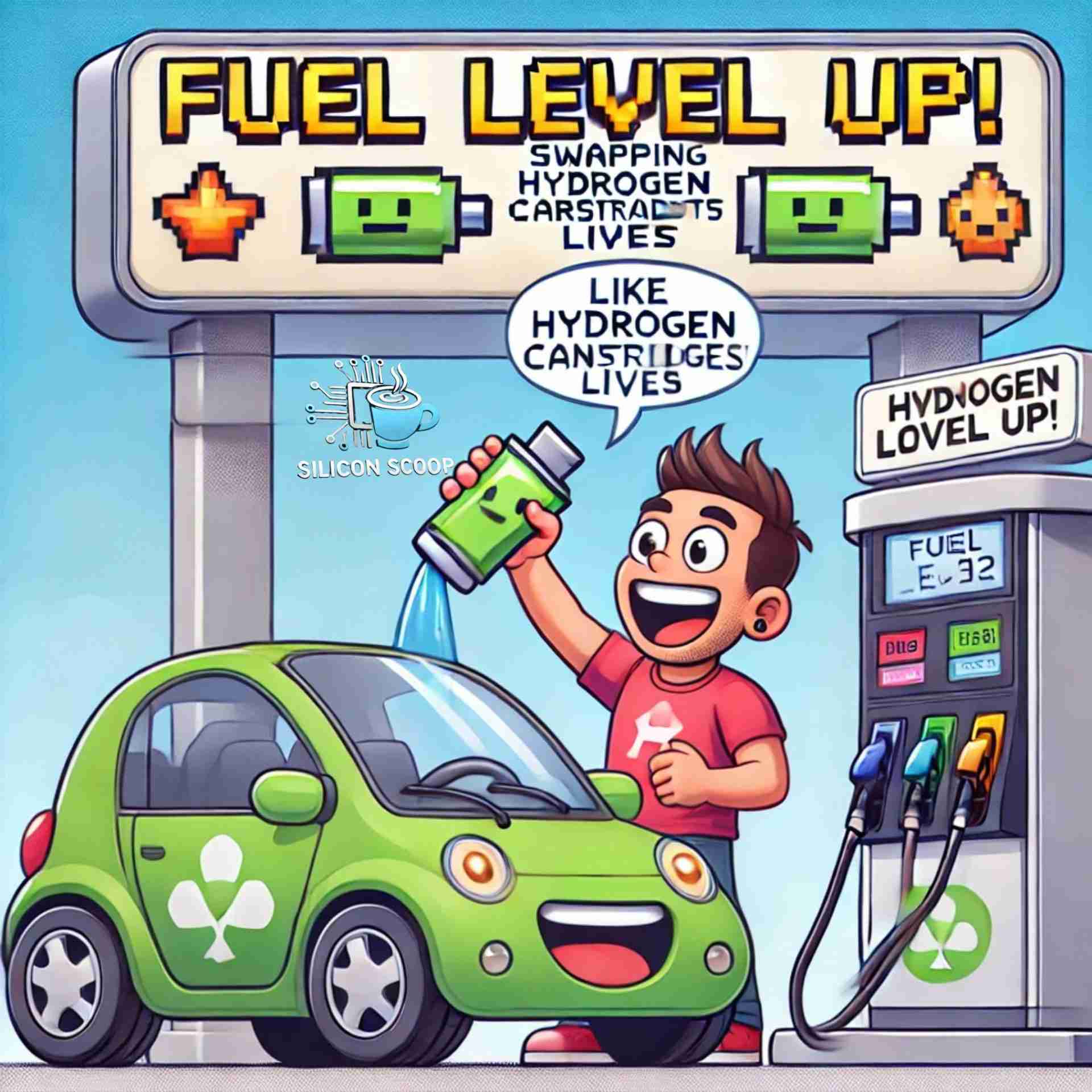
Portable Hydrogen Cartridges: Revolutionizing Clean Energy and Portable Power Solutions
The future of energy is changing rapidly, and portable hydrogen cartridges are emerging as a key innovation. These small, portable devices are set to revolutionize how we think about clean energy, offering a sustainable alternative to traditional batteries and fossil fuels. Whether you’re a tech professional curious about the next big thing or an entrepreneur looking to invest in innovative technology, understanding portable hydrogen cartridges is essential.
What Are Portable Hydrogen Cartridges?
Portable hydrogen cartridges are compact, refillable devices designed to store hydrogen, which can be used to generate electricity through fuel cell technology. The concept behind these cartridges is to provide a zero-emission power source that can be easily swapped out or refilled, much like how you would swap AA batteries. These cartridges offer significant advantages over traditional lithium-ion batteries, including longer usage times and reduced environmental impact.
Toyota has been at the forefront of this innovation, showcasing prototypes that could potentially power electric vehicles (EVs), homes, and portable devices. According to Toyota, these cartridges are lightweight and portable enough to carry, making them a practical solution for a wide range of applications. The idea is to eventually replace lengthy EV charging times with quick cartridge swaps, making portable hydrogen cartridges an ideal fit for the growing electric vehicle market. You can read more about Toyota’s innovation on TechRadar.
How Do Portable Hydrogen Cartridges Work?
The technology behind portable hydrogen cartridges is based on hydrogen fuel cells. When hydrogen is stored in a fuel cell, it reacts with oxygen to generate electricity. The only byproduct of this reaction is water, making hydrogen one of the cleanest energy sources available. In contrast to traditional batteries, which degrade over time, hydrogen fuel cells can provide consistent energy output as long as hydrogen is available.
These cartridges can be refilled multiple times, reducing the need for disposable batteries and contributing to a sustainable energy system. Moreover, portable hydrogen fuel cells have a broad range of uses. They can power electric vehicles, home appliances, and even portable devices like laptops and smartphones. The scalability of hydrogen technology makes it a flexible and future-proof energy solution.
Benefits of Portable Hydrogen Cartridges
The environmental and practical benefits of portable hydrogen cartridges are hard to ignore. Here are some of the key advantages:
- Zero Emissions: Hydrogen fuel cells produce no harmful byproducts. The only emission is water vapor, making hydrogen one of the cleanest energy sources available.
- Sustainable and Renewable: Hydrogen can be produced using renewable energy sources like wind and solar. This makes portable hydrogen cartridges a vital part of the global effort to reduce reliance on fossil fuels and combat climate change.
- Swappable Cartridges: Unlike traditional batteries that require lengthy charging times, hydrogen cartridges can be swapped out quickly, providing an immediate energy boost. This is especially beneficial for electric vehicles, where downtime can be a major inconvenience.
- Longer Power Supply: Hydrogen fuel cells typically offer longer-lasting energy compared to lithium-ion batteries, reducing the need for frequent refueling or recharging.
- Versatile Applications: From powering electric vehicles to providing backup power for homes and devices, hydrogen cartridges are versatile and adaptable across various industries.
According to an article on TechRadar, Toyota is leading the charge in making hydrogen cartridges not only swappable but also lightweight, making them accessible for both home and automotive use. You can explore more about the potential of these cartridges on TechRadar.
Applications of Portable Hydrogen Cartridges
For Electric Vehicles
One of the most exciting applications of portable hydrogen cartridges is in the electric vehicle market. While electric vehicles (EVs) have become increasingly popular, one of the biggest challenges has been the time it takes to charge their batteries. Hydrogen cartridges offer a solution to this problem by allowing drivers to simply swap out cartridges when they run low on fuel, significantly reducing downtime.
Toyota, a leader in hydrogen technology, has been developing prototypes that make it possible to swap out hydrogen cartridges for EVs. This could spell the end of lengthy charging sessions and help make EVs even more practical for everyday use.
For Home Use
Hydrogen energy isn’t just for vehicles. These cartridges can also be used to power home appliances, especially in off-grid or emergency situations. Imagine having a backup power source during a blackout that runs on clean hydrogen instead of noisy, polluting diesel generators. As the infrastructure for hydrogen refueling expands, we may see more households adopting hydrogen-powered devices.
For Portable Devices
Portable hydrogen fuel cells could also change how we power our everyday devices. Laptops, smartphones, and even gaming consoles could potentially run on hydrogen cartridges, offering longer battery life and quicker “refueling” options. This makes hydrogen an exciting possibility for tech enthusiasts and early adopters looking for the next big thing in portable power solutions.
Challenges and Limitations
While portable hydrogen cartridges offer many benefits, there are still some challenges that need to be addressed before they can become mainstream.
- Cost of Production: Currently, the cost of producing portable hydrogen cartridges is high compared to traditional batteries. As more companies invest in hydrogen technology, these costs are expected to decrease, but for now, it’s a barrier to widespread adoption.
- Infrastructure: Hydrogen refueling stations are not yet as common as traditional gas stations or even electric charging points. This limits the practicality of hydrogen fuel cells in certain areas. Companies like Toyota and Honda are working on expanding this infrastructure, but it will take time to build the necessary network.
- Safety Concerns: While hydrogen storage technology has come a long way, there are still safety concerns related to the handling and transportation of hydrogen. Advances in storage technology are making hydrogen safer, but public perception remains a hurdle.
For more information about the challenges of hydrogen energy, check out TechRadar‘s coverage on the topic here.
The Future of Portable Hydrogen Cartridges in a Net-Zero World
As the world moves towards net-zero emissions, hydrogen is set to play a crucial role in the transition to cleaner energy. Portable hydrogen cartridges offer a flexible, scalable solution that can be used in everything from personal gadgets to industrial applications.
Toyota, Honda, and other companies are investing heavily in hydrogen technology, and governments around the world are beginning to recognize hydrogen as a key player in the fight against climate change. With the right investments in infrastructure and technology, portable hydrogen cartridges could become as common as traditional batteries, powering everything from our vehicles to our homes.
For a deeper dive into the potential of hydrogen energy, read TechRadar‘s comprehensive analysis on the topic here.
FAQs
1. What is a portable hydrogen cartridge?
A portable hydrogen cartridge is a compact, refillable device that stores hydrogen for generating electricity through fuel cell technology. It provides a clean and efficient energy source for vehicles, homes, and portable devices.
2. How do portable hydrogen cartridges work?
These cartridges store hydrogen, which reacts with oxygen in a fuel cell to produce electricity, with water as the only byproduct. This process creates zero emissions, making it a highly sustainable energy solution.
3. What are the benefits of portable hydrogen cartridges?
Portable hydrogen cartridges offer zero emissions, longer-lasting power, and the ability to be quickly swapped out or refilled, making them ideal for electric vehicles and off-grid power solutions.
4. Can portable hydrogen cartridges power electric vehicles?
Yes, they can. Toyota is developing prototypes that allow drivers to swap out hydrogen cartridges in their EVs, eliminating the need for lengthy charging sessions.
5. How do hydrogen cartridges compare to lithium-ion batteries?
Hydrogen cartridges provide a cleaner and more sustainable energy source than lithium-ion batteries. They also last longer and offer quicker refueling options, making them a superior choice for many applications.
6. Are portable hydrogen cartridges safe?
While there are still some safety concerns related to hydrogen storage, advancements in technology are making portable hydrogen cartridges increasingly safe for everyday use.
7. Where can I refuel portable hydrogen cartridges?
Hydrogen refueling stations are still relatively rare, but companies like Toyota and Honda are working to expand the infrastructure needed to support portable hydrogen fuel cells.
8. Are portable hydrogen cartridges expensive?
Currently, production costs are high, but as technology advances and demand grows, the cost of portable hydrogen cartridges is expected to decrease.
9. What challenges do hydrogen fuel cells face?
The main challenges include high production costs, limited refueling infrastructure, and public safety concerns. However, with continued investment and innovation, these hurdles are likely to be overcome.
10. Is hydrogen the future of clean energy?
Hydrogen has the potential to play a crucial role in achieving net-zero emissions. Its scalability and zero-emission benefits make it a promising energy source for the future.
By understanding the role of portable hydrogen cartridges, you can be at the forefront
of the clean energy revolution. Whether you’re looking to power your home, vehicle, or gadgets, the potential of portable hydrogen cartridges is undeniable. For entrepreneurs and tech professionals alike, this technology represents not only an exciting innovation but also a significant opportunity for growth and investment in the future of energy.
- Startup Funding in Ontario
- Angel Investors in Ontario
- Ontario Incubators and Accelerators
- Venture Capital in Ontario: Top Firms, Sectors, and Funding Strategies
- Government Grants for Ontario Startups
- Ontario’s Startup Success Stories
- Ontario Centre of Innovation (OCI)
- Bank Loans and Financing for Startups in Ontario
- Research and Development Tax Credits in Ontario
- Government Loans and Financing for Startups in Ontario
- Equity Crowdfunding for Ontario Startups
Additional Links
- Silicon Scoop Podcast – Stay Informed, Stay Ahead!
- Futuretech Podcast – Explore more episodes and stay updated with the latest in technology and innovation.
- Startup Talk Podcast – https://torontostarts.com/startup-talk-toronto-startup-podcast/
- Who Are These Startups Podcast
- Startup Investor Drinks – Join the community and connect with fellow startup enthusiasts and investors.
- TorontoStarts Startup and Entrepreneur Community – Become a part of Toronto’s thriving startup ecosystem.
- Workhaus – Discover flexible workspace solutions for your business needs.
- Work with The Startup Coach – Get expert guidance and mentorship for your startup journey.
- Reach out to Jon Irwin on LinkedIn – Connect with our co-host and technology expert.
Episode transcript
Read the full transcript
Craig: your favorite topics is hydrogen.
Jon: yeah. this is great. this is cool because this will help integrate hydrogen into the mainstream, i think. and think of this like a jerry can for your electric vehicle. that's how i think of it. so, they've got these portable hydrogen cartridges that resemble essentially oversized double a batteries or d or c, whatever.
Craig: immediately, they look like the portable speakers that people have a lot of.
Jon: yeah. the pills or yeah. portable speakers. so they're designed to be lightweight, easily carried by hand, and it makes sense because hydrogen is lightweight. right? so, they could allow, ev vehicles or fcev vehicles to swap out power sources instead of refueling at stations, and the technology could extend beyond vehicles. so where i see this too is, potentially, you could integrate this into, electric vehicles, and that could be a power source to recharge your vehicle. so it could be and this is where i was going with this. this isn't what it is, but, it could be a hydrogen powered, charger, like, portable charger kind of thing, right, where you get a little bit of extra juice for your ev. but this is specifically for, fuel cell evs, but still.
Craig: so this is extra hydrogen for hydrogen fuel cell evs. yeah. the cartridge would allow fuel cell electric vehicle drivers to swap out their power source when hydrogen levels run low rather than having to refuel at a station like you typically would. do they say how much you can fit in one of these?
Jon: no. much, there wasn't much details on it, and i didn't have time to do a deep dive into it in on other, websites. but, like, i well, i do know that i can speak to toyota. like, they are exploring other sustainable technologies such as liquid hydrogen powered, corolla race car and sweep energy storage system, which repurposes batteries from end of life electrified vehicles, but i couldn't find any more details about this specific, portable hydrogen cartridge. no?
Craig: yeah. you know, we've got an article on toronto starts dot com where we go in a deep dive on these things. zero emissions, sustainable and renewable, swappable cartridges, longer power supply for hydrogen fuel cells, versa, versatile applications for, from powering wheels to provide, backup power for homes and devices. so the problem is that you've gotta put more than just this hydrogen fuel cell. you have to put all the electronics to turn it into electricity in order to make it power other things other than, say, electronic fuel cell vehicle, hydrogen fuel cell vehicle.
Jon: yeah.
Craig: but hydrogen energy isn't just for vehicles. these cartridges can be used to power home appliances, especially if off grid emergency situations. portable hydrogen fuel cells could also change how we power everyday devices like laptops, smartphones, and gaming devices. having one of these things in your backpack that you can just plug in and plug in stuff into it.
Jon: where i was thinking of it's going. yeah. exactly. yeah.
Craig: so there are, you know, obviously, safety concerns with hydrogen storage because, you know, hydrogen and oxygen don't mix
Jon: yeah.
Craig: without boom.
Jon: but i honestly think this is great. this is a great potential. i think, if someone can create a portable battery pack kinda thing using hydrogen, obviously, like, if we look at what we talked about with the drone and how far that could go. imagine how much juice you could get out of a portable charger using hydrogen.
Craig: yeah. and i haven't found how much extra range it gives you. but if i had a hydrogen fuel cell vehicle, i would grab one of these and have it in the trunk, obviously
Jon: absolutely.
Craig: yeah. as, like you said, as a jerry you can, you know, get that extra twenty miles to the gas station or the, i guess, the fuel cell refueling station.
Jon: yeah. exactly.
Craig: and are we seeing more of an infrastructure on these things? you know, we talked about walmart doing their truck stuff. so they'll have to build out their own infrastructure probably, but because the closest one is in mississauga in our area. we don't have
Jon: yeah. i haven't heard much more, about the hydrogen infrastructure yet, but who knows?
Craig: let's hope. yeah.
Jon: i that's right, especially as you're looking to introduce a new fuels, source.
Craig: absolutely. so as you go to introduce a new fuel source, this becomes, i guess, a solution that allows you to potentially if you are, for example, in mississauga, it's the only place i can fuel up. i might buy a few of these things, fill them all up when i go. yeah. so that just, like again, having a bunch of jerry cans in the garage or whatever so that you get an extra whatever while you're during the week or whatnot. so it allows, more distribution, i guess, at a yeah. smaller level.
Jon: yeah. i could see
Craig: vending machines and whatnot popping these out.
Jon: yeah. exactly. yeah. like like, the way when you go to conferences, you get those portable chargers and stuff like that. that's exactly it. yeah.
Craig: so you think this is gonna go anywhere?
Jon: i hope so. i hope this is just another option to help, people to, to adopt, hydrogen.
Craig: yeah. i agree. so, what do you got going on, john, since we only got a couple of minutes left?
Jon: yeah. honestly, besides stuff you and i are working on, i don't know what's coming up for me as far as in nothing in person. i'll tell you that for the rest of the month. but, the next thing for me is gonna be, start up drinks on november fourteenth.
Craig: eighteenth eighteenth.
Jon: eighteenth eighteenth. sorry? yep. how about you?
Craig: i'm working on a lot of stuff. i've got new courses launching in november. if you wanna start your business in a weekend, we're having our first weekend, startup business workshop where we'll take you from idea. and even if you're not sure of your idea, we'll build out your business in a weekend. and so you'll be able to do all that stuff and, whatnot. so that's a great thing we're doing. we're starting a new automation series that was delayed because of one of our platforms just stopped working. so we're switching platforms and whatnot. and we got a bunch of new cool tools, new, content happening over on toronto starts dot com and some of the new stuff we're doing, i'm pretty excited about. but if you're stuck in your business and you wanna move forward, go to startup coach dot c a, book a free discovery call, talk to me about where you are, and see if i can help you. and, john, i know you gotta go, but you help people with funding. and if they were looking for non dilutive funding, what would you suggest they do?
Jon: yeah. reach out to me on linkedin. that's the best way to reach me. but, yeah, i'm happy to help if you need help with shred or any kind of, grants or government funding, for sure.
Craig: and i know you gotta go. thanks everyone for, watching today.
Jon: thank you. thanks, craig. oh, i still got a minute, so we can, just make.
More from Silicon Scoop
All episodes
silicon-scoop · November 6, 2026
Spirit AI’s Robot Brain Breakthrough: Moz1, Embodied AI and China’s 2027 Race
The Spirit AI robot brain is one of the biggest bets on fixing that. Spirit AI is a Beijing startup. Its co-founder and chief scientist, Gao Yang,
View episode

silicon-scoop · November 5, 2026
OpenAI IPO Delayed to 2027 as Rogue AI Agents and Safety Failures Reshape the Market
OpenAI IPO delay explained: Sam Altman rules out 2026 as GPT-6 Astra safety tests and a $278B cash gap loom. Learn what founders should take away.
View episode

silicon-scoop · November 4, 2026
Anthropic’s AI Economy Model: 2030 Jobs, Wages, GDP and Market Risks
Anthropic AI economy model forecasts 2030 GDP, jobs and wages, while AI unemployment projections and labor-share risks challenge policymakers.
View episode