
Guerrilla Marketing Tactics for 2025: Expert Strategies for Canadian Startups
Guerrilla Marketing Tactics for 2025: Expert Strategies for Canadian Startups In this episode of Startup Talk, we explore the exciting world of Guerrilla Marketing Tactics for 2025 with a focus on Canadian startups. Our esteemed panel of marketing experts, including Mark Evans, Daniel Francavilla, Nyima Sherpa, and Trevor Shorte, joins our host Craig, the Startup […]
A TorontoStarts podcast
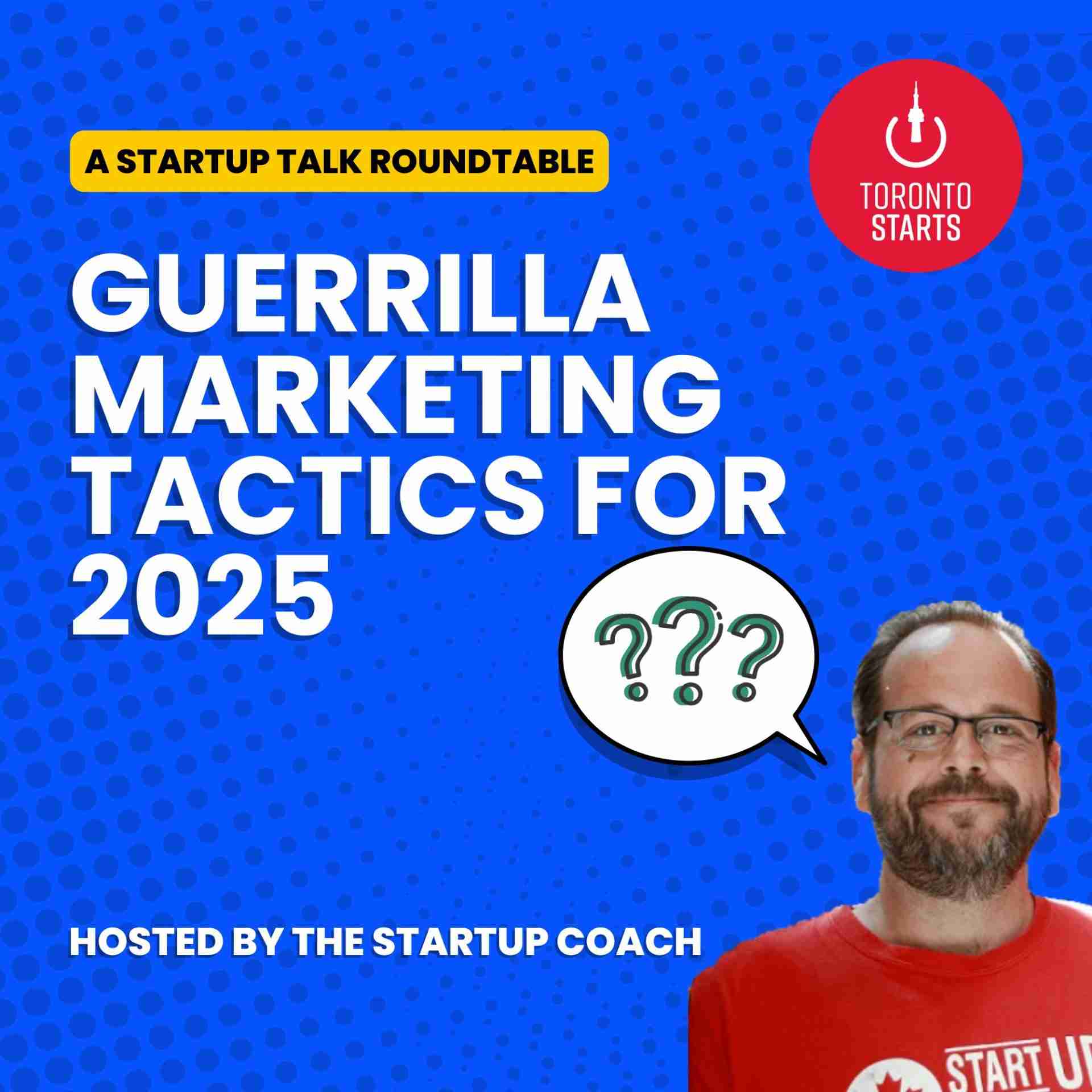
Guerrilla Marketing Tactics for 2025: Expert Strategies for Canadian Startups
In this episode of Startup Talk, we explore the exciting world of Guerrilla Marketing Tactics for 2025 with a focus on Canadian startups. Our esteemed panel of marketing experts, including Mark Evans, Daniel Francavilla, Nyima Sherpa, and Trevor Shorte, joins our host Craig, the Startup Coach, to break down the most innovative marketing tactics for 2025. We dive deep into the creative ways entrepreneurs can engage audiences, whether through street pop-ups, public art installations, or interactive social media campaigns.
This episode is packed with insights into low-cost, high-impact marketing strategies that any startup can adopt. Whether you’re targeting urban tech hubs, college campuses, or small communities, guerrilla marketing offers endless opportunities to stand out from the competition.
Meet the Speakers:
- Mark Evans
LinkedIn | Website | Instagram | X - Daniel Francavilla
LinkedIn | Website | Instagram | X - Nyima Sherpa
LinkedIn | Website | Instagram | X - Trevor Shorte
LinkedIn - Craig, The Startup Coach
LinkedIn | Website | Instagram | X
Segment 1: What Is Guerrilla Marketing?
To kick things off, our panel discusses the core principles of guerrilla marketing. Speaker 1, Mark Evans, shares that guerrilla marketing is all about thinking outside the box. Traditional advertising channels are often expensive and saturated, but guerrilla marketing allows startups to capture attention in unique, unexpected ways. From flash mobs to public art displays, it’s about reaching consumers where they are, often in public spaces, with bold, memorable campaigns.
Daniel Francavilla adds that guerrilla marketing is particularly effective for startups working with limited budgets. Rather than pouring money into digital ads, startups can focus on creating real-life experiences that resonate deeply with their target audience. Whether it’s hosting a street event or handing out freebies on a college campus, guerrilla marketing can make a lasting impression on potential customers.
Segment 2: Guerrilla Marketing Tactics for 2025
As we head into 2025, the marketing landscape is changing rapidly. Nyima Sherpa points out that guerrilla marketing remains relevant but requires innovation. With the rise of social media and digital engagement, combining real-world experiences with online amplification can significantly boost the reach of any campaign.
For example, Daniel suggests incorporating QR codes into street campaigns. These codes can drive traffic to websites, offer discounts, or direct users to engaging content on social media platforms. It’s a simple but effective way to bridge the gap between the physical and digital worlds.
Mark Evans recalls some of the innovative tactics used by FreshBooks in its early days. The company would host dinners and small events, allowing them to connect with customers on a personal level. This approach helped FreshBooks build relationships while creating memorable experiences for their clients.
Trevor Shorte provides a unique example from a Toronto soccer league he worked with. To boost their search engine ranking for “soccer league in Toronto,” they came up with a guerilla marketing idea to hold a “Kick a Politician for Charity” event. They invited local politicians and had people pay to kick soccer balls with their faces on them. The result? Massive media coverage, significant local engagement, and a boost in SEO ranking, proving that creative marketing can have immediate and lasting effects.
Segment 3: Targeting the Right Audience
Understanding your audience is key to guerrilla marketing success. Daniel Francavilla stresses that it’s not just about going where the crowd is, but about going where your audience is. For example, if you’re targeting students and young people, focus your guerrilla efforts on college campuses or popular student hangouts. Hand out stickers, set up pop-up booths, or create interactive experiences that will appeal to this demographic.
Nyima Sherpa builds on this by discussing her work with a Canadian insurance company. Instead of the usual boring conversations about life insurance, Nyima’s team hit the streets and conducted man-on-the-street interviews, asking random people if they had life insurance. The interviews were unscripted and raw, leading to humorous and honest responses that were later used in their marketing campaign. This approach not only raised awareness but also provided valuable customer insights.
Segment 4: Amplifying Guerrilla Marketing with Social Media
In today’s digital age, guerrilla marketing campaigns can be exponentially more effective when paired with social media amplification. Nyima emphasizes the power of viral content. For example, creating something like a TikTok dance challenge or a viral meme can give your street marketing campaign a second life online. By encouraging users to share their experiences, startups can reach a broader audience beyond the immediate geographical area.
Trevor suggests using user-generated content to further amplify your marketing efforts. After hosting a guerrilla marketing event, encourage attendees to share photos or videos using a branded hashtag. Not only does this create buzz, but it also generates valuable organic content that can be repurposed across different platforms.
Segment 5: Building a Long-Lasting Strategy
As the episode wraps up, the panel emphasizes the importance of creating a sustainable marketing strategy. Guerrilla marketing is not a one-time event; it should be part of a broader, long-term marketing plan. While it’s important to think big and aim for viral moments, it’s equally crucial to ensure that your efforts are consistent with your brand and its long-term goals.
Trevor reminds listeners that most founders are often too close to their product, focusing on technical details like features and specifications. However, when it comes to marketing, it’s essential to think from the customer’s perspective and work with creative marketers who can help bring fresh ideas to the table.
Key Takeaways:
- Guerrilla marketing is a powerful, cost-effective way for startups to engage with audiences creatively.
- Focus on targeting specific audiences where they are, whether through pop-up events, street interviews, or public art.
- Use social media to amplify your guerrilla marketing efforts, creating viral content that can expand your campaign’s reach.
- Build a sustainable strategy by integrating guerrilla marketing into your overall marketing plan.
Don’t miss this episode of Startup Talk for more insights and inspiration on how you can use guerrilla marketing to fuel your startup’s growth in 2025.
Tune In Now!
Additional Resources and Links:
- Silicon Scoop Podcast – Stay Informed, Stay Ahead!
- Futuretech Podcast – Explore more episodes and stay updated with the latest in technology and innovation.
- Startup Talk Podcast – https://torontostarts.com/startup-talk-toronto-startup-podcast/
- Who Are These Startups Podcast
- Startup Investor Drinks – Join the community and connect with fellow startup enthusiasts and investors.
- TorontoStarts Startup and Entrepreneur Community – Become a part of Toronto’s thriving startup ecosystem.
- Workhaus – Discover flexible workspace solutions for your business needs.
- Work with The Startup Coach – Get expert guidance and mentorship for your startup journey.
Ontario Startup Ecosystem Links
Episode transcript
Read the full transcript
Speaker 0: since we're heading into twenty twenty five, what are some of the innovative guerilla marketing tactics that canadian startups can use to gain attention?
Speaker 1: i'll go first. it depends on the type of product you have. it it's i know i know that sounds like a typical marketing answer, but that's exactly what you're gonna get. because, i mean, if you're talking about a brand that is specific to consumers, go wherever the consumers are. you know, street pop ups are still a thing. i was watching, i think it was breakfast television, i think, or maybe it was cb twenty four in the morning. and they had the, the lottomax pop up downtown somewhere, and they had people dressed as the, the, balls that, that go into the that go into the machine to pick the numbers. and they were wandering around downtown. right? so, i mean, find a way to do stuff like that. that's gonna get attention for sure one hundred percent. so, i mean, there's ways to do it. it just depends on the nature of the product that you have and the type of customers you're trying to reach.
Speaker 2: mark? i don't know if, if, dinners, and drinks count as guerrilla marketing, but i think back to some of the early marketing that freshbooks did. sol colt colt, who is a sort of marketing genius, mad genius, organized these dinners. they used to go on the road and do dinners. and i think it's just one way of thinking out of the box and connecting with your customers on a really personal level and doing something that's not the regular b to b channel. so, you know, just different types of marketing, marketing that really gets you close to your customer, i think, is a really good way to go.
Speaker 0: daniel?
Speaker 3: yeah. i i love that piece about those events because you're really able to, like, build relationships, and and people have a memory. like, i smiled when he said, the saul colt's name because i saw him at, fuck up nights, recently in toronto, and and i heard about him years ago from his content. i still remember his style and his voice. so, you can definitely make an impression from that perspective. yeah. when it comes to other guerrilla marketing tactics, i would say, again, focusing on the key areas because it's useless to do it in, like, the most populous area just because it's a lot of people. you wanna go if you're targeting students and young people, go to campus. that's a huge thing to do. hand out stickers, giveaways, that kind of thing. use qr codes, whatever you gotta do. but one thing that i love and this is a creative thing that i've talked to a lot of organizations about too, like nonprofits is, like, do something, an activation, publish art, anything like that that you can use as content. so it doesn't just have to serve the needs of that initial, you know, promotion, a guerrilla marketing, but you then have really unique content as a result of that. and, you know, we've seen that with, like, flash mobs and other kinds of things, but back in the day. but, still, people are doing public art and pop ups and, street interviews. it's still guerrilla marketing. people are finding out about the products and services. and sometimes on top of that, you also get that user feedback or that potential customer research by doing that. so, that'd be my recommendation. that's the guerrilla marketing.
Speaker 2: naima?
Speaker 4: yeah. i i actually love that, daniel mentioned street interviews because for one of the insurance, like, we work with one of the insurance, company canadian insurance company. and one of the things that we did to spice things up, instead of talking about the difference between term versus whole life insurance, which i'm tired of hearing or writing about is, we went to the streets, and we just, like, just ran like, just talked to canadians. and we just talked to canadians about, hey. you know, do you have life insurance? and they're like, are you trying to sell me insurance? i'm like, no. i'm not, ma'am. i am a marketing person, so i don't have any insurance license. i can't sell you anything. like, okay. let me talk to you. then, you talk to them, and it just kind of, like, you you realize how many people don't have life insurance and also what kind of perception the public has of life insurance. because we had bunch of people just on camera say life insurance is this or life insurance that, and some people thought life insurance cost five hundred dollars. the reason i'm giving you these specifics is because when you do these street interviews, it's always fun because you get to hear, like, them raw because they're not expecting to pop into a crazy, lady that's, like, asking them about life insurance. and, the other thing i always love to do is, so the dancing, like, you know, kinda like adding to the, you know, tiktok, you know, viral marketing and, like, creating something that can be copied, or asking questions that, you know, typically people wanna answer. you know? so if you have a dating, app or something, you know, asking questions that's leading with an answer and then asking a question, that always works. so, you know, it's it's one of those things where you can now, like, do guerrilla marketing but make it interactive with social to kinda make it even amplified further that i love about, you know, this, this question.
Speaker 0: i, i work with a soccer league in toronto, and they took my seo course, and we had a call. and to, when you search soccer league in toronto, they wanted to become the number one ranked one. and we talked about a few things. and one of the things i said, well, let's you know, i'd suggest because of what you are, a guerilla marketing technique, and mine would kick a politician for charity. and we'd get balls with politicians face on it, local politicians, that people would pay five dollars to kick the ball. yeah. because it's soccer. and when we talked about it a fair bit. they got local politicians to come out, and they raised a whole bunch of money, and they got a whole bunch of press and a whole bunch of and they quickly ranked in seo just because, you know, it was something, obviously, that works for everyone on a weird level. so there are ways people can do these things. and, you know, sometimes you need to talk to a marketing expert or someone else outside the box. most founders are way too close to their product when they think about marketing. they're always talking about speeds and feeds and the complexity of the back end and all this stuff. so i would suggest talking to one of these wonderful people or someone in your community that can help you develop your marketing plan and strategy and make sure you're not focused on the wrong things.
More from Startup Talk
All episodes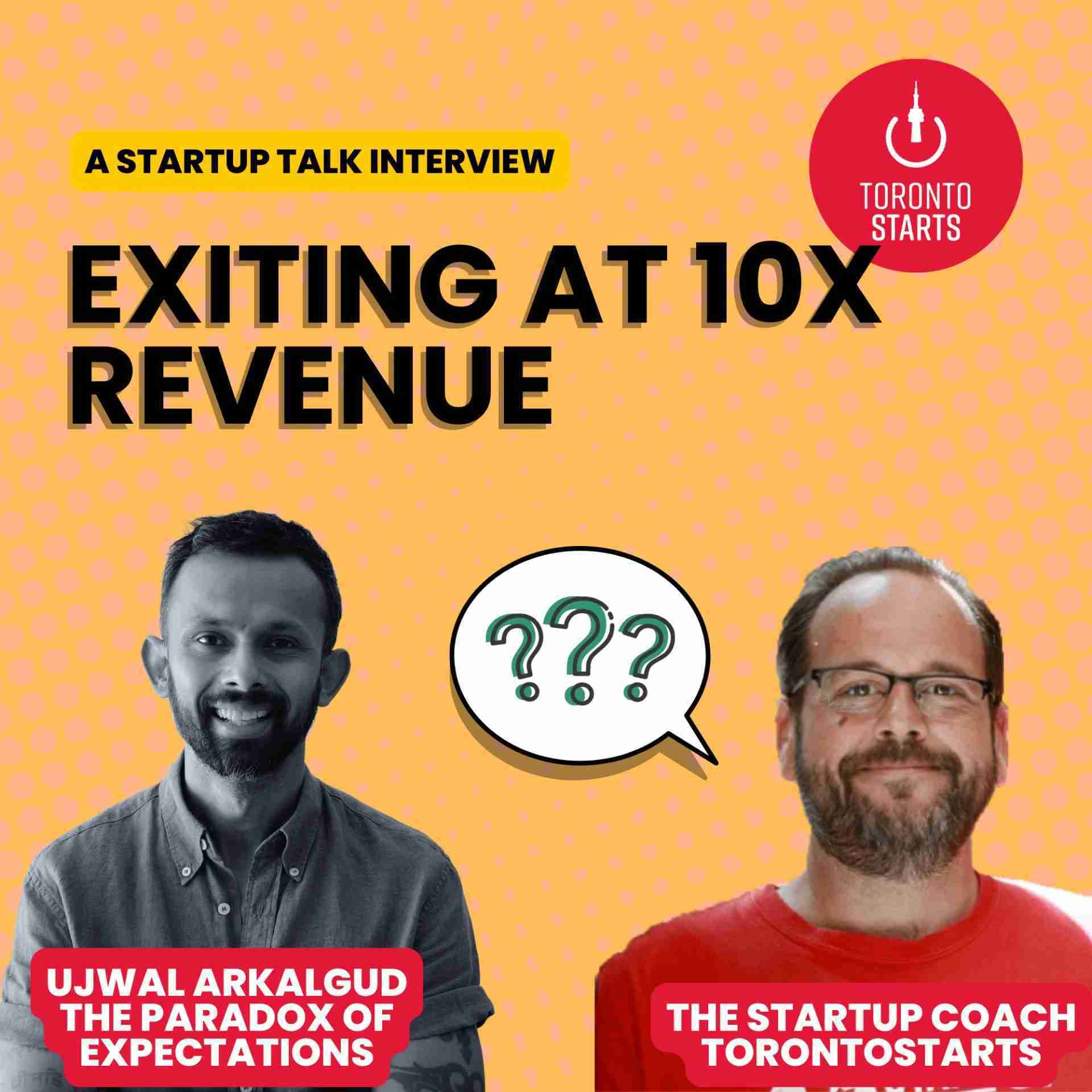
startup-talk · April 10, 2025
10x Revenue Exit
Discover actionable insights for achieving a 10x Revenue Exit through strategic scaling, profitability, and smart bootstrapping. https://torontostarts.com/2025/04/10/10x-revenue-exit/ Apple -> https://podcasts.apple.com/us/podcast/startup-talk/id1763804003 Spotify -> https://open.spotify.com/show/1siJMILILidHAiAsrX2VBU YouTube: https://youtube.com/playlist?list=PLj4v-RoA7A-jxV5FHs5e61oIsuvUJYmT_&si=LYegRe5GYLKNQ7xL Flowgrammer Apple -> https://podcasts.apple.com/us/podcast/flowgrammer-podcast/id1804155588 Spotify -> https://open.spotify.com/show/0wv3feR00iaVpE8zn7niNf Flowgrammer.ca -> https://flowgrammer.ca/ AI News and Resources -> https://flowgrammer.ca/resources/ Silicon Scoop Silicon Scoop Podcast - https://torontostarts.com/silicon-scoop/ Apple: https://podcasts.apple.com/us/podcast/silicon-scoop/id1758711826 Spotify: https://open.spotify.com/show/5bAzF0MwV6TtLhJAhvHayI YouTube: https://www.youtube.com/playlist?list=PLj4v-RoA7A-gT62vrEYqh1zCv-0Hj-o5J Startup Investor Drinks Toronto - https://startupdrinksto.com/ Toronto’s Startup Community - https://torontostarts.com/
View episode
startup-talk · April 8, 2025
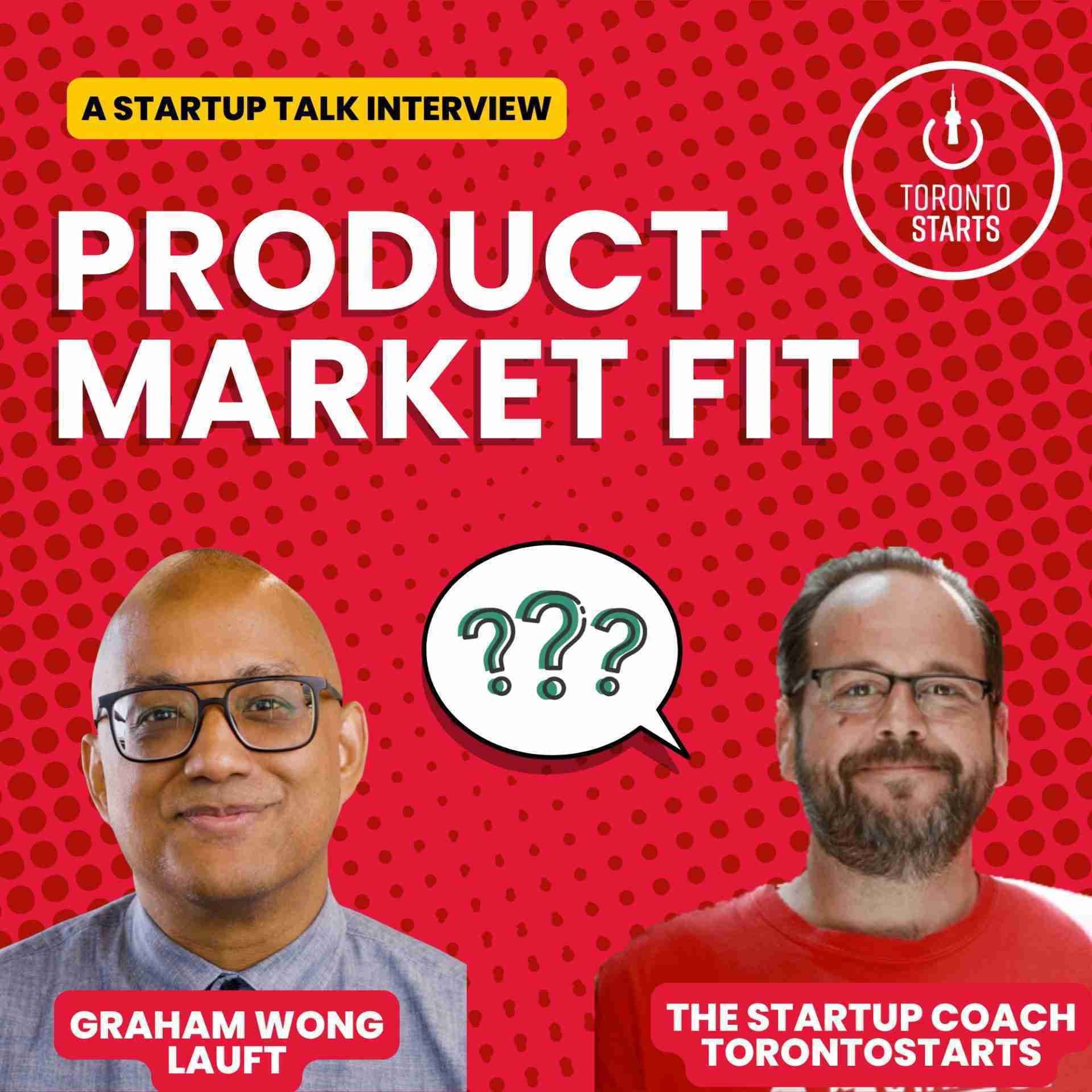
Product Market Fit with Lauft
Product Market Fit with Lauft Welcome to Episode 217 of the Startup Talk Podcast, where we explore Product Market Fit in a conversation with Graham Wong, Founder and CEO of Lauft. Listen in as the Startup Coach uncovers how Lauft transformed a personal need into a thriving flexible workspace solution and discovered exactly what their […]
View episode
startup-talk · April 6, 2025
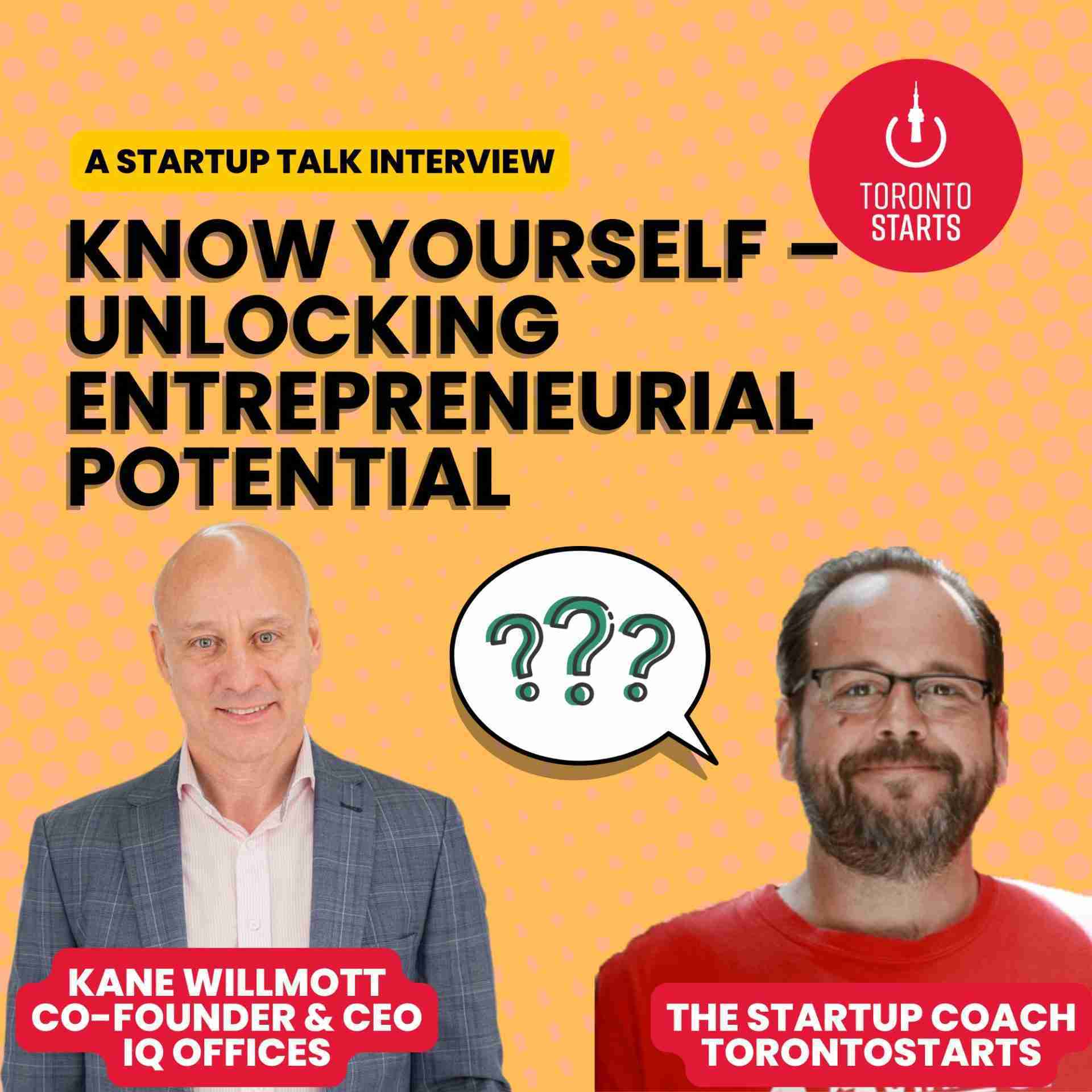
Know Yourself – Unlocking Entrepreneurial Potential
Discover how to Know Yourself as an entrepreneur to unlock your potential and overcome challenges in today's startup world. https://torontostarts.com/2025/04/06/know-yourself-unlocking-entrepreneurial-potential/ Apple -> https://podcasts.apple.com/us/podcast/startup-talk/id1763804003 Spotify -> https://open.spotify.com/show/1siJMILILidHAiAsrX2VBU YouTube: https://youtube.com/playlist?list=PLj4v-RoA7A-jxV5FHs5e61oIsuvUJYmT_&si=LYegRe5GYLKNQ7xL Flowgrammer Apple -> https://podcasts.apple.com/us/podcast/flowgrammer-podcast/id1804155588 Spotify -> https://open.spotify.com/show/0wv3feR00iaVpE8zn7niNf Flowgrammer.ca -> https://flowgrammer.ca/ AI News and Resources -> https://flowgrammer.ca/resources/ Silicon Scoop Silicon Scoop Podcast - https://torontostarts.com/silicon-scoop/ Apple: https://podcasts.apple.com/us/podcast/silicon-scoop/id1758711826 Spotify: https://open.spotify.com/show/5bAzF0MwV6TtLhJAhvHayI YouTube: https://www.youtube.com/playlist?list=PLj4v-RoA7A-gT62vrEYqh1zCv-0Hj-o5J Startup Investor Drinks Toronto - https://startupdrinksto.com/ Toronto’s Startup Community - https://torontostarts.com/
View episode