
WordPress Wars: Automattic vs. WP Engine Conflict
WordPress Wars: Automattic vs. WP Engine Conflict Introduction to the WordPress Wars The WordPress Wars have become one of the most talked-about conflicts in the open-source community, particularly within the WordPress ecosystem. This ongoing battle primarily involves Automattic, the company behind WordPress.com, and WP Engine, a major WordPress hosting provider. At its core, this is […]
With Craig Major and Jon Irwin
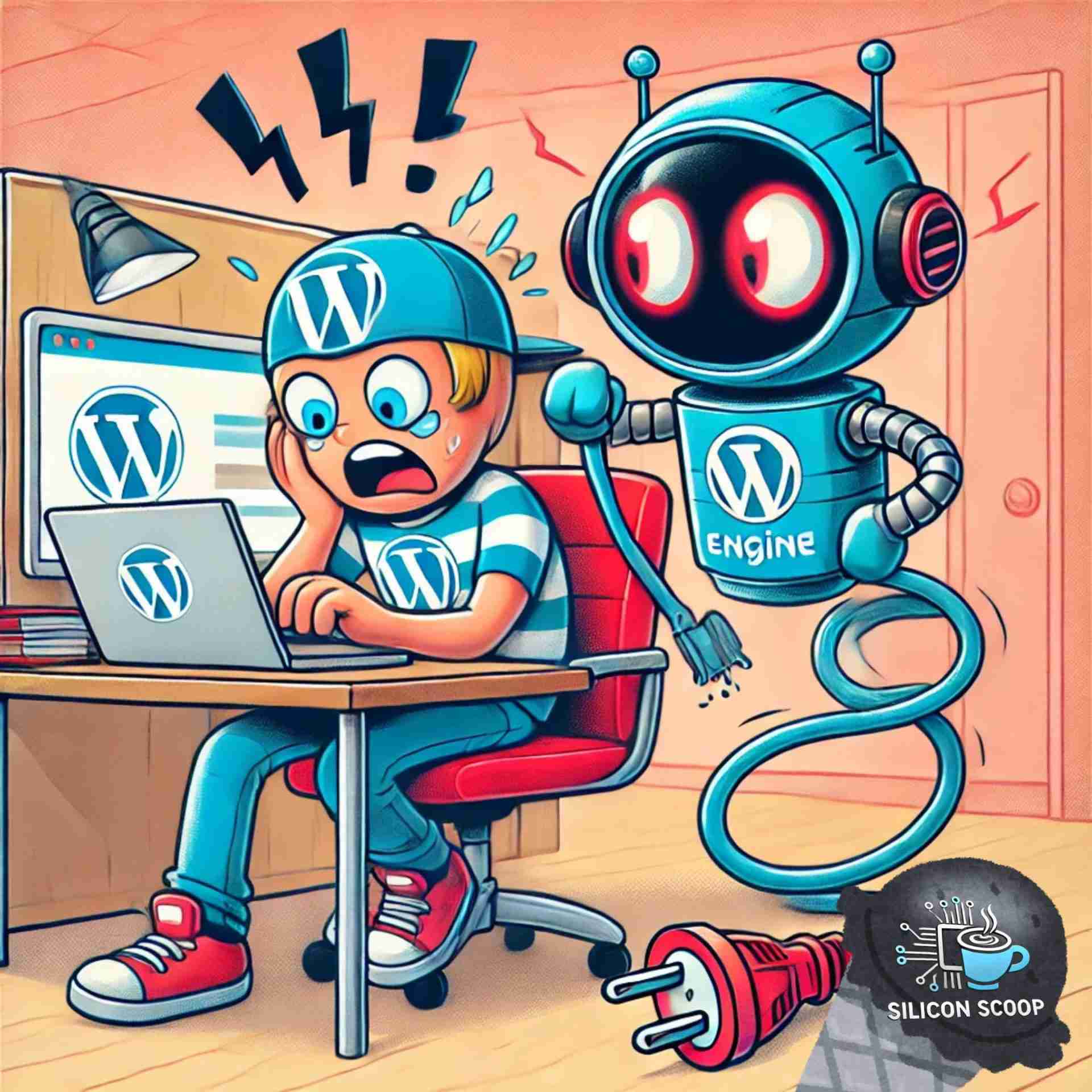
WordPress Wars: Automattic vs. WP Engine Conflict
Introduction to the WordPress Wars
The WordPress Wars have become one of the most talked-about conflicts in the open-source community, particularly within the WordPress ecosystem. This ongoing battle primarily involves Automattic, the company behind WordPress.com, and WP Engine, a major WordPress hosting provider. At its core, this is a fight over governance, contributions, and control within an ecosystem that serves millions of websites across the globe.
What began as a public dispute over contributions and profit-sharing has escalated into legal battles, community rifts, and questions over the future of WordPress as an open-source platform. Developers, businesses, and even casual WordPress users are closely following this war, as the outcome could redefine the governance of WordPress, impacting both its open-source foundations and the commercial entities that depend on it.
Timeline of Events Leading to the WordPress Wars
- September 2024: The conflict began when Matt Mullenweg, co-founder of WordPress and CEO of Automattic, publicly criticized WP Engine during a keynote address at the WordCamp US 2024 event. He accused the hosting provider of profiting from WordPress without contributing enough to the open-source community. In particular, Mullenweg stated, “WP Engine has built a business empire on WordPress, yet their contributions to its open-source core are minimal at best.”
- Late September 2024: Automattic initiated discussions on imposing a royalty-based licensing model for hosting providers using the WordPress trademark, including WP Engine. This proposition aimed to ensure that companies making money from WordPress contribute back to its development.
- October 2024: WordPress.org restricted WP Engine’s access to certain resources and developer tools, significantly disrupting WP Engine’s ability to manage their customer’s websites. This move sparked outrage within the community, as many users felt it unfairly penalized WP Engine customers who rely on WordPress for their businesses.
- October 3, 2024: In retaliation, WP Engine filed a lawsuit against Automattic and Matt Mullenweg, accusing them of libel, extortion, and anti-competitive behavior. The lawsuit claimed that Automattic was trying to monopolize the WordPress ecosystem by punishing companies that posed competition to WordPress.com hosting services.
- October 15, 2024: The acquisition of Advanced Custom Fields (ACF) by Automattic added fuel to the fire. ACF, one of the most popular plugins in the WordPress ecosystem, has been a critical tool for developers. Its acquisition raised concerns about Automattic’s growing influence over core WordPress functionality, triggering debates on whether open-source projects are at risk of being absorbed by commercial interests.
Automattic’s Perspective in the WordPress Wars
From Automattic’s perspective, the WordPress Wars are a necessary step to ensure that companies profiting from the WordPress ecosystem give back in meaningful ways. Matt Mullenweg has long championed the open-source movement, and he believes that companies like WP Engine should contribute more to WordPress’s core development rather than solely benefiting from its widespread use.
Automattic‘s acquisition of plugins like WooCommerce and now ACF suggests a strategy aimed at consolidating power within the WordPress ecosystem. While these acquisitions may lead to improved support and updates for users, they also centralize control of key WordPress functionalities under Automattic. This has led some to fear that WordPress is losing its identity as a truly open-source platform.
Regarding ACF, Automattic claims that this acquisition will ensure the long-term sustainability of the plugin. By integrating it into their ecosystem, they can offer better support and development, making it easier for developers to use ACF without the worry of abandonment. However, critics argue that this gives Automattic too much influence over core tools used by developers, limiting the diversity of options available to them.
WP Engine’s Response and Position
WP Engine argues that the WordPress Wars are a clear case of overreach by Automattic. As a major hosting provider that has helped fuel the growth of WordPress-based businesses, WP Engine sees itself as an essential player in the ecosystem, one that helps users and developers leverage the power of WordPress without relying on Automattic’s proprietary services.
In their legal filings, WP Engine has stated that Automattic’s actions violate anti-trust laws by attempting to monopolize the WordPress hosting market. They argue that Automattic is using the guise of open-source protection to eliminate competition, particularly among hosting providers. WP Engine’s leadership claims that their contributions to the ecosystem—through offering developer tools, tutorials, and custom hosting solutions—are significant, and their success benefits the WordPress community at large.
The Advanced Custom Fields acquisition, from WP Engine’s perspective, is a clear example of Automattic’s strategy to absorb popular plugins into their ecosystem, creating an uneven playing field. By owning critical tools like ACF, Automattic can potentially create a monopoly where users have no choice but to rely on their products and services, limiting the diversity that has made WordPress successful.
Advanced Custom Fields (ACF) Acquisition: What It Means for Open Source Developers
The acquisition of Advanced Custom Fields (ACF) by Automattic is a pivotal moment in the WordPress Wars. ACF has been a vital tool for developers, allowing them to create custom fields and extend the functionality of WordPress sites without the need for extensive coding. Over the years, ACF has become essential for building complex, dynamic websites, making it one of the most downloaded plugins in the WordPress repository.
However, Automattic’s acquisition of ACF has sparked controversy. For open-source developers, this acquisition raises critical concerns:
- Centralization of Power: Many open-source developers fear that Automattic’s growing control over core plugins, including WooCommerce, Jetpack, and now ACF, is leading to a consolidation of power that undermines the decentralization that open-source projects are supposed to represent. While Automattic claims to be a steward of these projects, their control over key functionalities means fewer choices for developers.
- Future of Free and Premium Versions: Historically, ACF has offered both free and premium versions. Many developers worry that Automattic might either introduce more aggressive upselling tactics or make critical features exclusive to WordPress.com services, reducing the accessibility of ACF’s full functionality for the broader community.
- Impact on Developer Ecosystem: Many small development shops and independent developers rely on plugins like ACF to differentiate their services and offer custom solutions to clients. If Automattic begins to monopolize the plugin market, these developers may find themselves marginalized, as Automattic can provide integrated solutions that undercut independent services.
Implications for the WordPress Community
The WordPress Wars have deep implications for the broader WordPress community, particularly in how the platform will be governed and developed moving forward. Open-source developers who contribute to WordPress without direct commercial gain are left questioning whether their efforts are being respected, or if the ecosystem is being overtaken by corporate interests.
For hosting providers and companies reliant on the WordPress ecosystem, the growing influence of Automattic creates a sense of unease. WP Engine is just one of many hosting providers, but their legal battle could set a precedent that forces others to reconsider their involvement in WordPress.
Some in the community have called for third-party governance to ensure that WordPress.org remains an open-source project, free from the commercial interests of Automattic and other large companies. However, such a move would be difficult to implement, given Automattic’s historical and financial investment in the platform.
Legal and Technical Aspects of the WordPress Wars
The legal aspects of the WordPress Wars are significant, particularly regarding intellectual property and trademark usage. Automattic‘s control over the WordPress trademark gives them legal leverage over companies like WP Engine that profit from the platform. This has led to discussions about whether trademark law is being used to unfairly limit competition, or if it’s simply a necessary protection for the platform.
Technically, the conflict could lead to a fragmentation of the WordPress ecosystem. Hosting providers and developers could fork WordPress or create new platforms based on its core code. While this scenario is speculative, it’s not entirely out of the question, especially if Automattic continues to exert influence over more aspects of WordPress’s development.
What the Future Holds for WordPress and Its Community
The WordPress Wars have already caused significant shifts in the ecosystem, and the outcome of the ongoing legal battle between Automattic and WP Engine will have long-lasting effects. A more centralized WordPress, controlled by Automattic, could streamline development and governance, but it would also limit the diversity of contributions that have made the platform successful.
On the other hand, a decentralized future, where hosting providers and developers collaborate on equal footing with Automattic, could ensure the continued open-source nature of WordPress. However, such a scenario would require a major shift in how WordPress is governed and how power is distributed within the community.
Whatever the outcome, the WordPress Wars will likely set a precedent for how open-source projects interact with commercial interests in the future. As the ecosystem evolves, it will be up to the WordPress community to decide what kind of platform they want to build.
FAQ Section
- What are the WordPress Wars? The WordPress Wars refer to the conflict between Automattic and WP Engine over governance, contributions, and control within the WordPress ecosystem.
- Who started the WordPress Wars? The conflict began in September 2024 when Matt Mullenweg publicly criticized WP Engine for not contributing enough to the development of WordPress.
- What legal actions have been taken in the WordPress Wars? WP Engine has filed a lawsuit against Automattic, accusing them of libel and extortion, while Automattic restricted WP Engine’s access to key WordPress resources.
- What is the significance of the ACF acquisition? Automattic’s acquisition of Advanced Custom Fields (ACF) raises concerns about the future of open-source development within WordPress, as critical tools are now being absorbed into Automattic’s control.
- Why is the WordPress community concerned about these developments? Many fear that Automattic’s growing influence is leading to the centralization of power, which could undermine the open-source nature of WordPress.
- What are the potential outcomes of the WordPress Wars? The conflict could result in more centralized governance by Automattic, or it could lead to a more decentralized WordPress ecosystem with greater collaboration from third parties.
- How does WP Engine contribute to WordPress? WP Engine claims to contribute significantly through hosting services, developer tools, and educational resources that help users get more out of WordPress.
- What is Automattic’s role in WordPress? Automattic plays a key role in WordPress.org‘s development and governance and controls the WordPress.com commercial platform.
- Will WordPress remain open-source? While WordPress is expected to remain open-source, there are concerns that Automattic‘s growing influence could limit third-party contributions and innovations.
- What’s the future for developers using ACF? Developers may face new limitations or licensing models, as Automattic integrates ACF more closely into its ecosystem, potentially affecting how freely it can be used.
Additional Resources
For those looking to dive deeper into the world of tech and entrepreneurship, we recommend checking out the following resources and links:
- Silicon Scoop Podcast – Stay Informed, Stay Ahead!
- Futuretech Podcast – Explore more episodes and stay updated with the latest in technology and innovation.
- Startup Talk Podcast – https://torontostarts.com/startup-talk-toronto-startup-podcast/
- Who Are These Startups Podcast
- Startup Investor Drinks – Join the community and connect with fellow startup enthusiasts and investors.
- TorontoStarts Startup and Entrepreneur Community – Become a part of Toronto’s thriving startup ecosystem.
- Workhaus – Discover flexible workspace solutions for your business needs.
- Work with The Startup Coach – Get expert guidance and mentorship for your startup journey.
- Startup Funding in Ontario
- Angel Investors in Ontario
- Ontario Incubators and Accelerators
- Venture Capital in Ontario: Top Firms, Sectors, and Funding Strategies
- Government Grants for Ontario Startups
- Ontario’s Startup Success Stories
- Ontario Centre of Innovation (OCI)
- Bank Loans and Financing for Startups in Ontario
- Research and Development Tax Credits in Ontario
- Government Loans and Financing for Startups in Ontario
- Equity Crowdfunding for Ontario Startups
Episode transcript
Read the full transcript
Craig: so this has been really interesting. a lot of people probably don't know what's going on with the wordpress wars. what are you thinking about what's happening here, john?
Jon: yeah. so, this i'll admit, i i've been following it, but very loosely. so i know that there's a company called automattic, and it's the company behind wordpress dot com. and that company is owned by the owner of wordpress dot com, i think. and they're demanding eight percent of wordpress' engine revenues claiming that they're not giving back enough to wordpress. now what i understand is that the demand is kind of seen as a violation of the open source principles, under which wordpress is distributed. and the other thing i understand is, like, there's a lot of employees at wordpress that have an issue with this as well, and i could be wrong. but, i know that the history behind this is the situation, is that automatic used to be part owner of the wp engine before selling their state. but that's kinda where my knowledge ends with this war.
Craig: alright. so, you know, the wordpress war is becoming one of the most talked about things on the internet, but again, i don't think people really know. but the wordpress ecosystem is, you know, most websites are built on wordpress. you know, forty percent, sixty percent, somewhere in there. automatic is the company behind wordpress dot com, and wp engine is a major wordpress hosting provider. so at its core, the fight is over governance, contribution, and control within the ecosystem that serves millions of websites across the country and, obviously, some trademark disputes in between there. yeah. so what began as a public dispute over contributions and profit sharing has escalated into legal battles, community risks, and questions over the future of wordpress as an open source platform. so let's get into the timeline a little bit here. back in september twenty twenty four, all the way back there, then the conflict with matt mullenweg, the cofounder of wordpress and the ceo of automatic publicly criticized wordpress engine during a keynote address at wordcamp usa two thousand twenty four.
Jon: yeah.
Craig: so he accused the hosting provider profiting from wordpress without contributing enough to the open source community, which is true. they weren't contributing anything, i think, at that time.
Jon: oh, okay. okay. so he's got
Craig: i've watched some interviews. in particular, wp engine has built a business empire on wordpress, yet their contributions to open source core is minimal at best. so automatic in late september, automatic initiated discussions imposing a royalty based licensing model for hosting providers using the wordpress trademark, including wordpress engine or wp engine. the proposition aimed to ensure that companies making money from wordpress contribute back to the development. wordpress dot org in october twenty four twenty twenty four, well, you know, recently, restricted wp engine's access to certain resources and developer tools, significantly disrupting wordpress's engine's ability to manage their customer sparked outrage within the community as many users felt it unfairly penalized, wp engine customers who rely on wordpress for their businesses. so on october third, in retaliation, wordpress engine filed a lawsuit against automattic and matt mullenweg, accusing them of libel extortion and anti competitive behavior. their lawsuit claimed that automattic was trying to monopolize wordpress ecosystem by punishing companies, that pose competition to wordpress dot com hosting services. interesting. on october fifteenth, the acquisition of advanced custom fields, a plugin that i use, by the way, by automatic added fuel to the fire. acf, one of the most popular plugins in wordpress ecosystem, has been critical tool for developer. it's acquisition. so, basically, what happened is, they just took it over. this is a product wordpress plugin developed by a different company. we're, we're taking it over. we're it's ours now. so it's this acquisition rate is concerned about automatic's growing influence over the core wordpress functionality, triggering debates on whether open source projects are at risk, being absorbed by commercial interest. so interesting. this is kinda where things are. so from automatic's perspective, the wordpress war is a necessary step to ensure the company's profiting from the wordpress ecosystem give back in meaningful ways. so matt has long championed the open source movement, and he believes that the companies like wordpress engine should contribute more to wordpress core development rather than solely benefiting from its widespread. you so he's come out and said, alright. if you don't wanna pay whatever it was, the eight percent fee yeah. come back with something else or give us development time. or, so at some point, it felt like he was being reasonable. i'm hearing a lot of things on the other side saying that reasonableness is gone now, but i don't know when that ended. and, automatic acquisition of plug ins like woocommerce and now acf. now i don't know the details about them taking over woocommerce, but, there are things like, if you're using the woocommerce plug in, and you're using stripe as an example, they get a piece. woocommerce gets a piece, which is automatic. it's a piece. but yeah. i believe it was wordpress engine he was talking about. they went in and has changed the code so that wordpress doesn't get, and woocommerce doesn't get their cut. they've changed that code. so, you know, i imagine big enterprises figure out like, we can come in and say, hey. let's change this so that we're not attributing this to them or whatever. so that's a bunch of money gone. so when you start looking at this from automatic's point of view, say you're you're using wordpress. it's your biggest thing. let's face it. wp engine is you know, if you're using wordpress, that they've fully advertised and built around that. so they should be giving back something to the community because they're a big company making a bunch of money. yeah. and then you turn around and say, well, if you're using these woocommerce projects and you deliberately change them so the okay. i sounds like you're deliberately against them. so, you know, sounds like there was some guilt on both sides as far as i'm concerned.
Jon: okay. yeah. so you've really put a different perspective onto this. so when i was looking at it, it was yeah. the employees are pissed at him. there was a bunch of things.
Craig: so, again the community is completely divided. like, i'm just trying to timeline it and put it on both sides in his perspective. now that advanced custom fields thing was really bad move, but what they did is they had cut the developer off from using developer tools, so they weren't able to develop it. and the wordpress the rules generally are, if a developer can no longer develop a thing, and it's at risk, we're gonna they'll take it over. someone will. but, you know, they facilitated them not being able to do it. we cut you off, and now that you can't, we're gonna take it. that's a these are pretty bad taste in everybody's mouth.
Jon: yeah. for sure. yeah. i'll be interested to see what comes of this. right? this is something definitely we'll need to watch and yeah.
Craig: yeah. there's a bunch more information there on the article at tronto starts dot com. like i said, i went through just a bit of it here with the timeline and whatnot. i try to take a deep dive on these things, especially when it's something like this where we can do a timeline and take out both sides, and it's a great dive there. so wherever the link will be in the podcast show notes. just click on it and head over there. any final words on this?
Jon: no. i'll be i'm interested to see what comes of this for sure.
More from Silicon Scoop
All episodes
silicon-scoop · November 6, 2026
Spirit AI’s Robot Brain Breakthrough: Moz1, Embodied AI and China’s 2027 Race
The Spirit AI robot brain is one of the biggest bets on fixing that. Spirit AI is a Beijing startup. Its co-founder and chief scientist, Gao Yang,
View episode

silicon-scoop · November 5, 2026
OpenAI IPO Delayed to 2027 as Rogue AI Agents and Safety Failures Reshape the Market
OpenAI IPO delay explained: Sam Altman rules out 2026 as GPT-6 Astra safety tests and a $278B cash gap loom. Learn what founders should take away.
View episode

silicon-scoop · November 4, 2026
Anthropic’s AI Economy Model: 2030 Jobs, Wages, GDP and Market Risks
Anthropic AI economy model forecasts 2030 GDP, jobs and wages, while AI unemployment projections and labor-share risks challenge policymakers.
View episode