
Scaling from Local to International
Episode 184: Scaling from Local to International with Graeme Pitches Show Notes In Episode 184 of the Startup Talk Podcast, The Startup Coach dives deep into the art and science of Scaling from Local to International with guest Graeme Pitches. This episode is packed with practical insights for founders and business leaders ready to expand […]
A TorontoStarts podcast
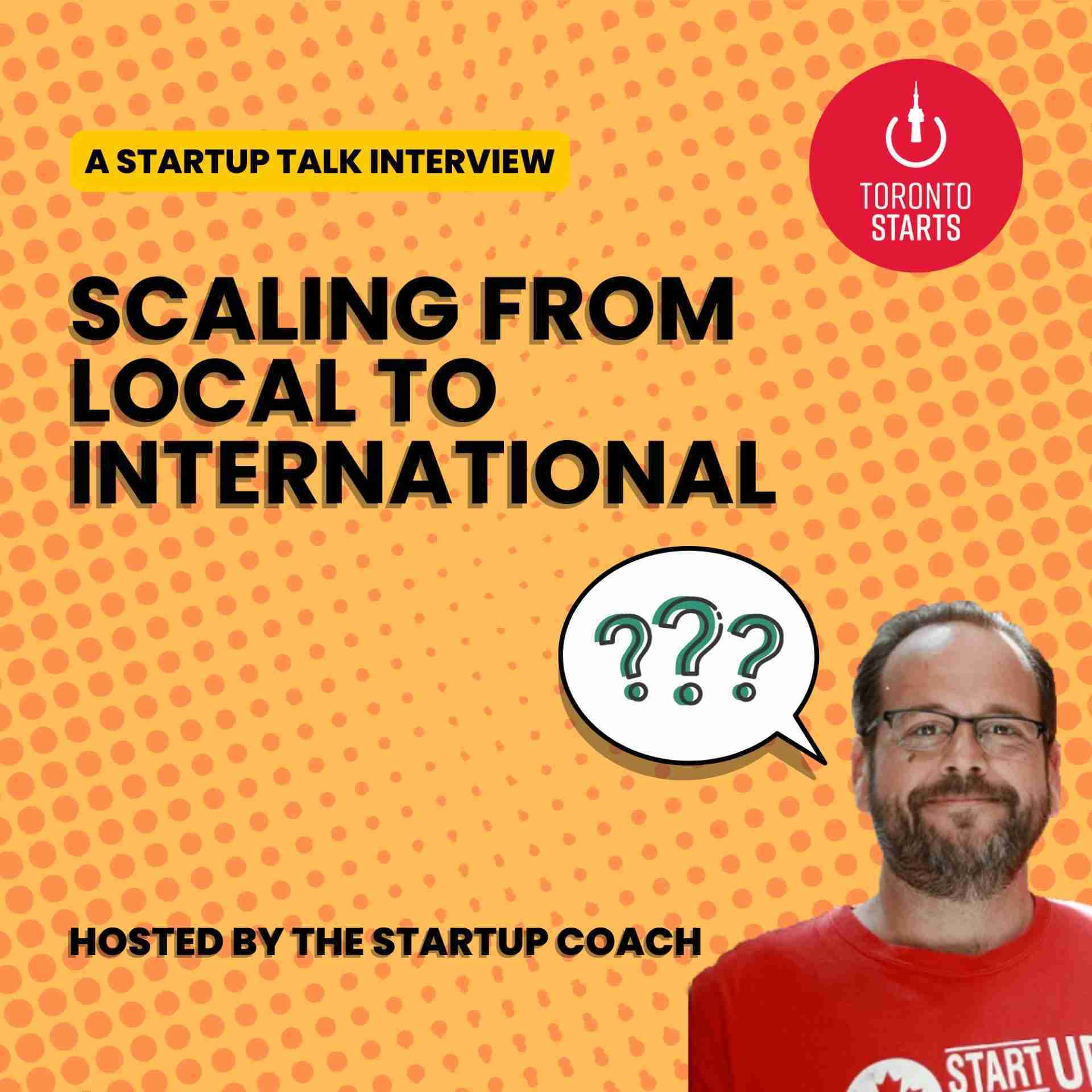
Episode 184: Scaling from Local to International with Graeme Pitches
Show Notes
In Episode 184 of the Startup Talk Podcast, The Startup Coach dives deep into the art and science of Scaling from Local to International with guest Graeme Pitches. This episode is packed with practical insights for founders and business leaders ready to expand their revenue operations beyond local markets.
Key Takeaways:
- Strategic Partnerships: Learn why forming the right local partnerships is crucial for scaling internationally and how to structure agreements that benefit both parties.
- Understanding Market Needs: Explore the importance of clearly defining your product or service differentiation to stand out in competitive international markets.
- Articulating Value: Tips on communicating “what’s in it for them” to potential partners and stakeholders in new regions.
- Case Studies: Real-world examples of successful partnerships and international expansions that highlight effective strategies.
Why Scaling from Local to International is Critical
Expanding globally not only unlocks new revenue streams but also helps businesses diversify risks. The conversation delves into key challenges, including navigating cultural differences, building trust with local partners, and ensuring alignment with regional client needs.
Highlights from the Discussion
- The Startup Coach shares a compelling anecdote about a high-profile collaboration between a consulting firm and a hardware company, demonstrating the value of strategic alliances.
- Graeme Pitches emphasizes the role of mutual benefit in partnerships and the necessity of aligning goals for long-term success.
Resources for Scaling from Local to International
- Tools and frameworks to evaluate new markets.
- Guidance on crafting clear partnership agreements.
- Steps to effectively communicate your value proposition in international markets.
Scaling from Local to International is a critical step for startups aiming to grow sustainably. Tune in to Episode 184 to gain actionable insights and avoid common pitfalls as you embark on your global journey.
Additional Resources and Links:
- Silicon Scoop Podcast – Stay Informed, Stay Ahead!
- Futuretech Podcast – Explore more episodes and stay updated with the latest in technology and innovation.
- Startup Talk Podcast – https://torontostarts.com/startup-talk-toronto-startup-podcast/
- Who Are These Startups Podcast
- Startup Investor Drinks – Join the community and connect with fellow startup enthusiasts and investors.
- TorontoStarts Startup and Entrepreneur Community – Become a part of Toronto’s thriving startup ecosystem.
- Workhaus – Discover flexible workspace solutions for your business needs.
- Work with The Startup Coach – Get expert guidance and mentorship for your startup journey.
Ontario Startup Ecosystem Links
- Ontario’s Startup Ecosystem
- Startup Funding in Ontario
- Angel Investors in Ontario
- Ontario Incubators and Accelerators
- Venture Capital in Ontario: Top Firms, Sectors, and Funding Strategies
- Government Grants for Ontario Startups
- Ontario’s Startup Success Stories
- Ontario Centre of Innovation (OCI)
- Bank Loans and Financing for Startups in Ontario
- Research and Development Tax Credits in Ontario
- Government Loans and Financing for Startups in Ontario
- Equity Crowdfunding for Ontario Startups
- Toronto Entrepreneurs Resources
- Toronto’s Food and Beverage Entrepreneurs: Trends, Challenges, and Success Stories
- SEO Strategies for Toronto Entrepreneurs: Enhance Your Online Visibility
- Social Impact for Toronto Entrepreneurs: Starting and Running a Socially Responsible Business
- Toronto Arts and Media Entrepreneurs: Inspiring Profiles and Insights for Creative Success
- Exploring Toronto Green Tech Entrepreneurs: Innovators and Leaders in Sustainability
- Building a Team for Toronto Entrepreneurs: Strategies for Success
- A Guide for Toronto Food and Beverage Entrepreneurs
- Toronto Fashion and Retail Entrepreneurs: Trends, Opportunities, and Success Stories
Episode transcript
Read the full transcript
Speaker 0: the topic of scaling is huge for our audience. what do you recommend for founders trying to expand their revenue operations from local to international markets?
Speaker 1: yeah. i've seen this work, and i've seen it haven't worked as well too. i think it really depends where you are going local. so, you know, i think if you are i think that the easiest way to do that is through a local partner. right? and that someone who may be selling kind of adjacent, you know, software adjacent, to yours, as well too. but i think the challenge there is what's in it for them. right? what's in it for that local partner? is it actually a chance to be kind of, you know, that first partner for, you know, an up and coming up and coming product or service, and that's great. if you're just a generic software and there's already tons of competition and there's no real differentiation, there's probably not going to be a whole lot there. so definitely partnerships, but, again, you have to have and i think that the best partnerships that i've seen work where it's very, very clear, you know, where that partners that partners kinda scope is, right, versus versus your scope. and i think some of the best ones that i've been a part of are where, like, that partner could they could still provide a similar product or service to you. right? but, but it is not worth their while. right? so, again and then that's very, very clear, and you have that open conversation. there might be examples where they need to use their product or service, right, instead of recommending to you. and that's just fine. right? because, again, maybe that's not your niche. so i think you need to make it very, very clear, you know, what is in it for that partner and where you fit and where you don't fit and have that open conversation.
Speaker 0: absolutely. that is very important. i remember i won't name names here, but i was working with a large, consulting firm, and i was out to lunch with a hardware firm. and, you know, we got to talk and then say, hey. you know, why aren't we working together as we're the preferred service when people are buying your hardware for these services and where you're our preferred hardware when people are buying our services? and that quickly i'm talking about huge names that everyone would know. and that prick quickly became a, you know, a deal where you're like, that makes perfect sense. right? like, they don't wanna do the sap consulting. they don't wanna do the erp. we just wanna put the hardware in place and do all this stuff, but we need a partner that so together, we're delivering a whole solution. and so when you're reaching out to someone else, what's in it for them is very important thing that startups don't always realize. like, why won't they talk to me? whatever. like, what's in literally, what's in it for them? are you gonna give them more revenue because they get half of whatever they sell? are you gonna give them more implementation clients because people are buying from this? are you gonna give them extend the functionality? like, how does your thing help this purse this company, group, or whatever so they'll wanna go out and recommend, resell, partner with you?
Speaker 1: yeah. i think too it's important. like, how much influence does that partner have with their client base over, you know, the solution that you're providing. right? they may be very, very good in one specific area, but, again, maybe it's it's not really kind of their area of expertise. right? so, again, kinda getting back to that, like, you know, broken telephone. right? you know, can you clearly articulate the differentiator, because recognize that, yes, some of these partners may not be that strong in that certain area that you're trying to target even though they may have all the customers. doesn't mean it doesn't work, but i think it really, really helps if you're crystal clear, so that they can clearly communicate that to their client base.
More from Startup Talk
All episodes
startup-talk · April 10, 2025
10x Revenue Exit
Discover actionable insights for achieving a 10x Revenue Exit through strategic scaling, profitability, and smart bootstrapping. https://torontostarts.com/2025/04/10/10x-revenue-exit/ Apple -> https://podcasts.apple.com/us/podcast/startup-talk/id1763804003 Spotify -> https://open.spotify.com/show/1siJMILILidHAiAsrX2VBU YouTube: https://youtube.com/playlist?list=PLj4v-RoA7A-jxV5FHs5e61oIsuvUJYmT_&si=LYegRe5GYLKNQ7xL Flowgrammer Apple -> https://podcasts.apple.com/us/podcast/flowgrammer-podcast/id1804155588 Spotify -> https://open.spotify.com/show/0wv3feR00iaVpE8zn7niNf Flowgrammer.ca -> https://flowgrammer.ca/ AI News and Resources -> https://flowgrammer.ca/resources/ Silicon Scoop Silicon Scoop Podcast - https://torontostarts.com/silicon-scoop/ Apple: https://podcasts.apple.com/us/podcast/silicon-scoop/id1758711826 Spotify: https://open.spotify.com/show/5bAzF0MwV6TtLhJAhvHayI YouTube: https://www.youtube.com/playlist?list=PLj4v-RoA7A-gT62vrEYqh1zCv-0Hj-o5J Startup Investor Drinks Toronto - https://startupdrinksto.com/ Toronto’s Startup Community - https://torontostarts.com/
View episode
startup-talk · April 8, 2025
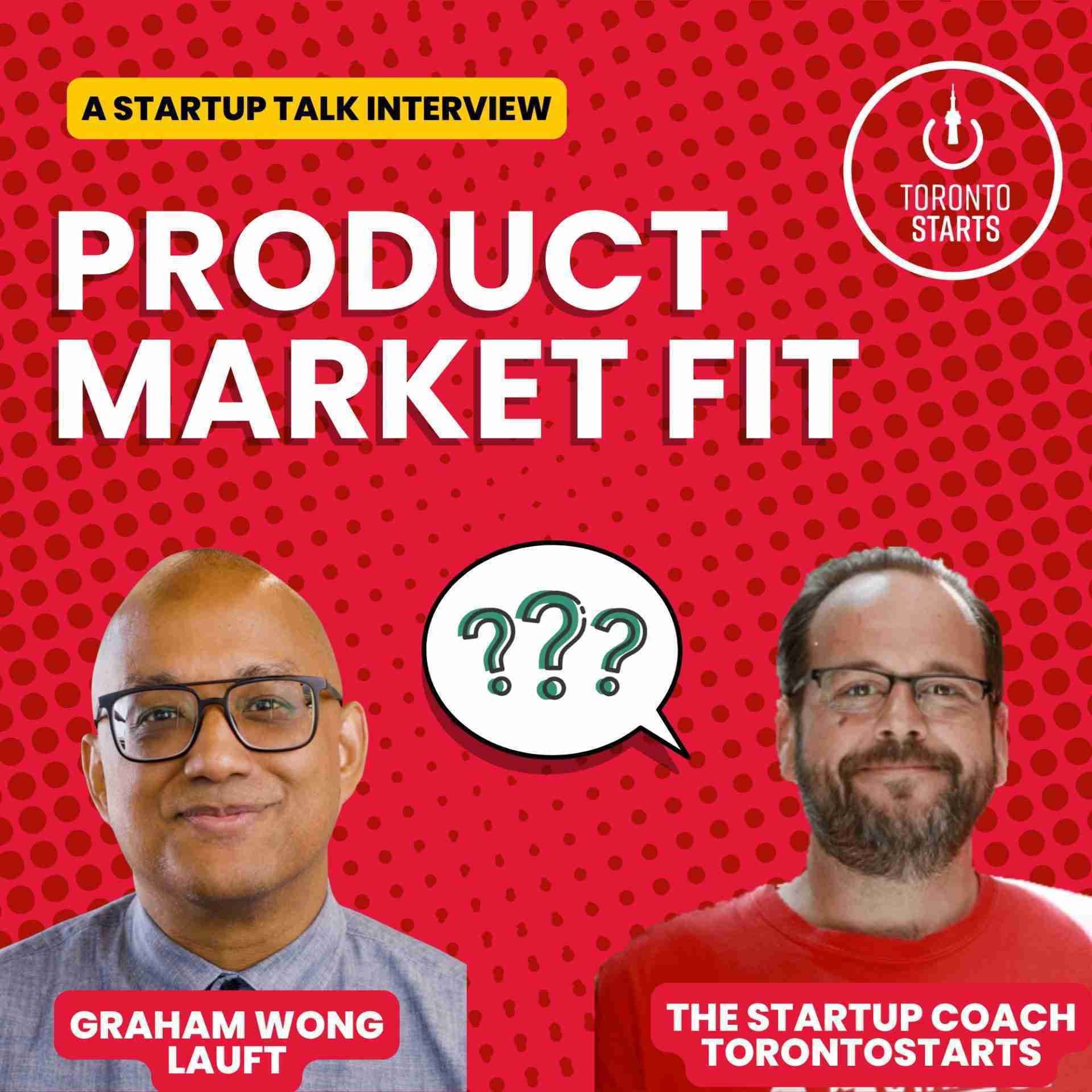
Product Market Fit with Lauft
Product Market Fit with Lauft Welcome to Episode 217 of the Startup Talk Podcast, where we explore Product Market Fit in a conversation with Graham Wong, Founder and CEO of Lauft. Listen in as the Startup Coach uncovers how Lauft transformed a personal need into a thriving flexible workspace solution and discovered exactly what their […]
View episode

startup-talk · April 6, 2025
Know Yourself – Unlocking Entrepreneurial Potential
Discover how to Know Yourself as an entrepreneur to unlock your potential and overcome challenges in today's startup world. https://torontostarts.com/2025/04/06/know-yourself-unlocking-entrepreneurial-potential/ Apple -> https://podcasts.apple.com/us/podcast/startup-talk/id1763804003 Spotify -> https://open.spotify.com/show/1siJMILILidHAiAsrX2VBU YouTube: https://youtube.com/playlist?list=PLj4v-RoA7A-jxV5FHs5e61oIsuvUJYmT_&si=LYegRe5GYLKNQ7xL Flowgrammer Apple -> https://podcasts.apple.com/us/podcast/flowgrammer-podcast/id1804155588 Spotify -> https://open.spotify.com/show/0wv3feR00iaVpE8zn7niNf Flowgrammer.ca -> https://flowgrammer.ca/ AI News and Resources -> https://flowgrammer.ca/resources/ Silicon Scoop Silicon Scoop Podcast - https://torontostarts.com/silicon-scoop/ Apple: https://podcasts.apple.com/us/podcast/silicon-scoop/id1758711826 Spotify: https://open.spotify.com/show/5bAzF0MwV6TtLhJAhvHayI YouTube: https://www.youtube.com/playlist?list=PLj4v-RoA7A-gT62vrEYqh1zCv-0Hj-o5J Startup Investor Drinks Toronto - https://startupdrinksto.com/ Toronto’s Startup Community - https://torontostarts.com/
View episode