
The Proposed Fergus Battery Energy Storage System
Concerns and Considerations for the Proposed Fergus Battery Energy Storage System The Fergus battery energy storage system represents a pivotal step in the push towards more sustainable energy solutions. As the world seeks innovative ways to enhance energy efficiency, this project stands out for its potential role in supporting renewable energy initiatives. Battery energy storage […]
With Craig Major and Jon Irwin
Estimated reading time: 6 minutes
Concerns and Considerations for the Proposed Fergus Battery Energy Storage System
The Fergus battery energy storage system represents a pivotal step in the push towards more sustainable energy solutions. As the world seeks innovative ways to enhance energy efficiency, this project stands out for its potential role in supporting renewable energy initiatives. Battery energy storage solutions are becoming increasingly crucial, as they not only help bridge the gap between energy generation and consumption but also ensure that excess electricity generated from renewable sources can be harnessed and utilized when needed most. However, the Fergus energy project has sparked various community concerns, prompting discussions on environmental safety, aesthetics, and local impact.
What is a Battery Energy Storage System?
Battery energy storage systems (BESS) are crucial components in modern energy infrastructure, designed to store energy for later use. These systems work by capturing excess energy produced during times of low demand and releasing it during peak usage, thereby enhancing the efficiency of renewable energy projects. For instance, in places like California and Australia, large-scale battery storage has been instrumental in stabilizing the energy grid, reducing reliance on fossil fuels, and providing backup power during outages. This technology not only supports grid stability but also contributes to a cleaner environment by maximizing the use of renewable energy sources.
Overview of the Proposed Fergus Project
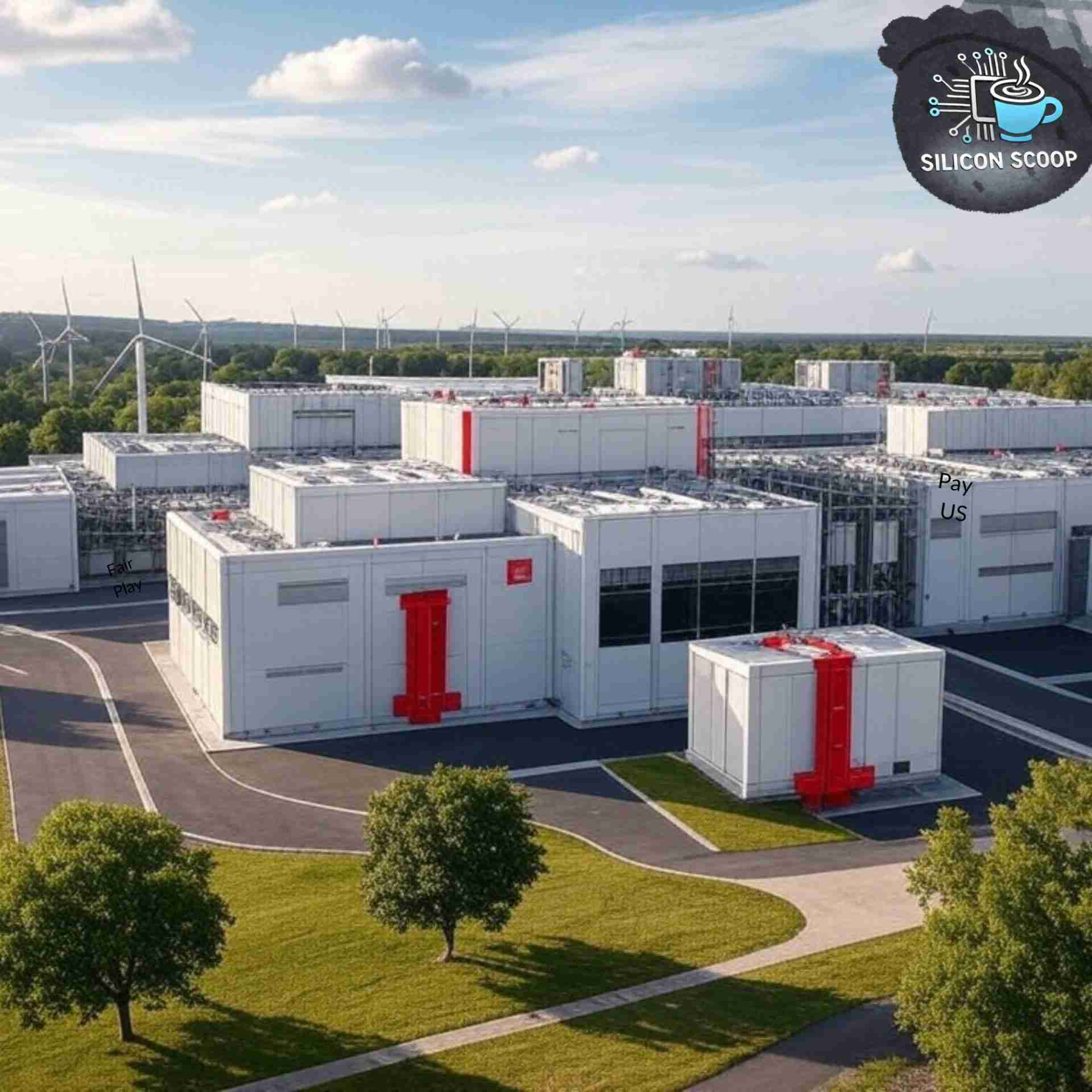
The proposed Fergus battery energy storage system is set to be located at a strategic site in Ontario, designed to harness and store renewable energy effectively. With an expected capacity of several megawatts, this facility is poised to significantly impact the local energy landscape. Key stakeholders in the project include energy companies, governmental organizations, and community representatives, all collaborating to align the project goals with local energy needs. The technology chosen for the Fergus energy project promises to employ state-of-the-art safety features and efficiency enhancements, tailored to the dynamics of Ontario’s energy demands.
Community Concerns
Despite the many advantages of battery storage, the proposed Fergus project has elicited a range of community concerns that need to be thoroughly examined.
- Environmental Impacts: Residents are worried about the potential disruption to land use, habitats, and wildlife. As environmental impacts of battery systems involve critical aspects such as ecological balance, it is essential to conduct thorough environmental assessments before moving forward.
- Safety Concerns: Safety is a primary concern, particularly regarding the risks of fire and any toxic emissions from malfunctioning batteries. These fears highlight the necessity for stringent safety protocols and ongoing monitoring of the facility.
- Aesthetic and Noise Concerns: Another aspect raised by locals pertains to potential visual obstructions and noise pollution associated with the facility’s operation. Residents wish to understand how the project will address these aesthetic issues, which can significantly affect community acceptance.
- Accessibility and Infrastructure Concerns: Analyzing existing infrastructure’s capacity to support the Fergus energy project is crucial. Increased traffic and demand for local services may strain current resources, prompting the need for upgrades in local infrastructure.
Public Meetings and Feedback
Public meetings have been an essential platform for addressing these concerns, providing insight into community feedback regarding the Fergus battery energy storage system. Residents have highlighted key themes surrounding environmental safeguarding, safety protocols, and the economic impacts of the project. These discussions are pivotal in shaping the project and ensuring that local voices are heard throughout the planning process.
Potential Benefits of the Project
While acknowledging the community concerns, it’s also vital to discuss the potential benefits associated with the Fergus battery energy storage system.
- Economic Impacts: The project promises to create numerous job opportunities, particularly in construction, technology maintenance, and operational roles. This influx of job creation in energy storage can stimulate the local economy significantly.
- Benefits to the Energy Grid: This battery storage solution can enhance grid stability, facilitating the seamless integration of renewable energy sources. By acting as a buffer during peak demand times, the Fergus energy project can contribute to overall energy resilience.
- Sustainability: Ultimately, the project could help reduce the carbon footprint in the community, promoting long-term sustainability and progressing toward Canada’s climate goals.
Regulatory and Approval Process
The Ontario energy regulations governing such projects are designed to ensure thorough assessment and community involvement. The process typically involves extensive environmental assessments, stakeholder consultations, and public feedback mechanisms prior to obtaining approval. The expected timeline for the Fergus battery energy storage system will include these assessments, reflecting the importance of balancing community interests with energy innovation.
Conclusion
In summation, the Fergus battery energy storage system presents an opportunity to evaluate and balance community concerns against significant potential benefits. Engaging local residents in dialogues around safety, environmental stewardship, and economic prospects is crucial. By fostering open communication and informed participation, the community can play an active role in shaping this transformative project for future energy sustainability.
FAQ Section
- What is a battery energy storage system? A battery energy storage system stores energy from renewable sources for later use, ensuring a stable energy supply.
- How will the Fergus battery energy storage system benefit the community? It can provide job opportunities, enhance grid stability, and support the growth of renewable energy in Fergus.
- What are the environmental impacts of the Fergus battery energy storage system? Community members are concerned about potential land disruption and effects on local wildlife habitats.
- Are there safety concerns associated with battery systems? Yes, some residents worry about fire risks and toxic emissions from malfunctioning batteries.
- How can community members share their thoughts on the project? Through public meetings, surveys, or direct feedback channels established by project stakeholders.
- What is the expected timeline for the approval of the Fergus project? The timeline may vary but generally includes assessments following public consultations.
- What technologies will be used in the proposed battery energy storage system? Innovative battery technologies that maximize energy retention and safety measures will be utilized.
- How do battery energy storage systems support renewable energy? They provide a way to store excess energy generated by renewables for use during peak demand times.
- In what ways will the Fergus project contribute to job creation? The project is expected to generate jobs in construction, maintenance, and technology sectors associated with energy storage.
- What role do Ontario energy regulations play in the Fergus battery energy storage system? These regulations guide the approval process, ensuring that projects comply with safety and environmental standards.
Explore the Fergus battery energy storage system’s potential impacts and benefits for the community and environment.
- Startup Funding in Ontario
- Angel Investors in Ontario
- Ontario Incubators and Accelerators
- Venture Capital in Ontario: Top Firms, Sectors, and Funding Strategies
- Government Grants for Ontario Startups
- Ontario’s Startup Success Stories
- Ontario Centre of Innovation (OCI)
- Bank Loans and Financing for Startups in Ontario
- Research and Development Tax Credits in Ontario
- Government Loans and Financing for Startups in Ontario
- Equity Crowdfunding for Ontario Startups
Additional Links
- Silicon Scoop Podcast – Stay Informed, Stay Ahead!
- Futuretech Podcast – Explore more episodes and stay updated with the latest in technology and innovation.
- Startup Talk Podcast – https://torontostarts.com/startup-talk-toronto-startup-podcast/
- Who Are These Startups Podcast
- Startup Investor Drinks – Join the community and connect with fellow startup enthusiasts and investors.
- TorontoStarts Startup and Entrepreneur Community – Become a part of Toronto’s thriving startup ecosystem.
- Workhaus – Discover flexible workspace solutions for your business needs.
- Work with The Startup Coach – Get expert guidance and mentorship for your startup journey.
- Reach out to Jon Irwin on LinkedIn – Connect with our co-host and technology expert.
Episode transcript
Read the full transcript
Craig: we're going back to our roots here in tour in toronto. in ontario?
Jon: ontario. yeah.
Craig: and we've got some special proposed battery energy storage system in fergus, ontario. what's happening?
Jon: yeah. so, there's a two hundred fifty megawatt battery energy storage system that's been proposed for fergus by portland's energy center gp. and so the project aims to support the integration of renewable energy into the grid and enhance grid stability. some key points here to think about is the project's gonna be located on a four hectare site, and it would consist of approximately a hundred and eighty battery containers and sixty inverter transformer skids. so the system's designed to store excess energy during off peak hours and release it during peak demand periods. now the problem with this, there's some there's some community concerns that the proposal raised. so first off, there's there's some safety issues. so fire risks associated with lithium ion batteries are a primary concern, obviously. questions about the adequacy of local emergency services to handle potential incidents, which that's it. that's interesting. well, we can come back to that and talk about that. environmental impact, obviously. so worries about potential soil and groundwater contamination, rightfully so. concerns about projects proximity to the grand river watershed, so that's all in one. and then infrastructure strain. so potential impacts on local roads and traffic during construction and operation and questions about capacity of local utilities to support such a large scale project. at the end of the day, this is just a big battery storage system. my question is, do we really have that much excess energy that we need to store it? are we really producing that much excess energy?
Craig: just pulled up the map here so you can see approximately where it is, in relation to fergus as we're talking about the concerns. well, here's the thing. right? like, if you've been watching the news, australia is having problems. i guess it was south australia who went green and with solar and wind. yeah. and during the evening and whatnot, they're just not getting enough power, so they're starting to use more coal and, you know, relying on other parts of australia to feed them power, because they don't have enough storage like this. we've talked about solutions for evening, like, beaming power down from the sun or even reflecting solar arrays, down from satellites. so yeah. i could, you know solar energy down from the sun. we're talking about satellites either beaming energy or reflecting light down to solar farms, so they'll be active all night. so we continue to have a problem where these current technology can't support everyone twenty four hours a day, and so you need these types of storage units. the question is, how much do you need? and that's why they're doing, like, what we talked about before where they're what were those, the carbon ones that are the big domes? the
Jon: the the lands the land energy storage?
Craig: yeah.
Jon: yeah.
Craig: so these are all different types of energy storage that you're trying right now to figure out what it has the best impact and what they can do. so, you know, in places like california, australia, large care, scale battery storage has been instrumental in stabilizing their energy grids and reducing reliance on fossil fuels and providing backups during outages. like, south, i think australia, south wales, whatever it is, they've just, got one of tesla's big battery thing, but it can only
Jon: run battery. yeah.
Craig: but what they've got can only run for about twenty minutes, run the what it's supposed to cover. okay. so that assumes everything goes out, i guess. so the question becomes things like this, and different ways of doing these storage are required. we don't know which ones are gonna be the best effective long term, and whether, you know, what kind of, impact they're gonna have. with an expected capacity of several megawatts, this facility is poised to significantly impact the local energy landscape. for sure. you know? so yeah. i'm really excited about these kinds of things because this is what enables us to go more green until, you know, we get nuclear everywhere, and that's gonna take a long time. so, you know, we need these different energy solutions. the question is, is this one safe? are there other concerns around it?
Jon: well, i think a concern that i didn't even think about was, yeah, can the emergency services handle this? yeah. like, i didn't even think about that until i read this article. but that makes total sense because it's gonna be a different kind of fire. and do they have the training to do it? because we're not talking about a laptop battery fire now. we're talking about a facility fire that could yeah. and so, that is an interesting point to bring up for sure.
Craig: absolutely. and whose onus is it on? when something like this happens, whose onus is it on to bring the local infrastructure and support up to speed so they have the tools, and whose responsibility is to keep it up? is it because this feels like a public private. this is ontario energy and a few other people trying to go this. so who's responsible to say, okay. fire, police, whatnot. here's your training. here's your tools. here's all the tech and the foam and whatever you need when fire or something breaks out here, and who's responsible for paying that long term.
Jon: yeah. exactly. yeah. so, like, i don't know. i don't i i i really don't see how this is going to help too much. i don't think it i don't see how it would have a big impact. i think if we're talking net impact, in my opinion, it's gonna have a more negative impact.
Craig: now why would you say that it'll have a negative impact?
Jon: because of the volatility of lithium ion technology. so they're they're they're putting this facility in and storing it for many, many years. like, it's not like i don't know. they probably have things in place. it's just i didn't see, i didn't read anywhere where, like, they're talking about how they mitigate and, and all that sort of stuff. and i get it. lithium ion is the current battery technology, but there's there there are other alternatives to storing energy that we've talked about that we've covered, and i'm curious as to why they're not exploring those.
Craig: well, lithium ion is a proven technology. from a storage and retrieval point of view, there is some loss involved in that. but, yeah, we've seen iron air. we've seen c o two batteries, which are the ones i was talking about before. we've seen a bunch of different types
Jon: of things.
Craig: air storage. yeah. absolutely. and, we've seen a bunch, and we've talked about a bunch on this and on the feature tech. so they're going with this because it's the proposed, technology right now. but, the question is when we get a new battery technology that we like that works, how easy is it to transition to that?
Jon: yeah. the other thing too is the reason why i say the negative impact is because, like, you've got these batteries, but you don't have batteries that are sitting stagnant on the ground, for long periods of time. like, you've got batteries that are driving around. you got batteries and all that sort of stuff.
Craig: but you assume, you know, these will be the whole point of this is with, the green energy yeah. they're not gonna be, just sitting there. they're gonna be feeding the grid during low power times and in the evenings when the green energy is not available. so they will be in constant use.
Jon: no. i don't mean not constant use. i just mean the potential for seepage into the ground and all that sort of stuff. that's what i'm worried about.
Craig: yeah. indeed. i think there's some concern there. so what do you think out there? does this sound like a good solution? if you're in ontario, would you want something like this near your home? you know? how can we strike the balance between necessary energy innovation and local community interest? as we chart a course for sustainable energy, can we have our cake and eat it too, or will we have to compromise? let us know what your thoughts are and what technologies are we missing on this. we'd love to hear about it, both what's available now and what's coming in the future.
More from Silicon Scoop
All episodes
silicon-scoop · November 6, 2026
Spirit AI’s Robot Brain Breakthrough: Moz1, Embodied AI and China’s 2027 Race
The Spirit AI robot brain is one of the biggest bets on fixing that. Spirit AI is a Beijing startup. Its co-founder and chief scientist, Gao Yang,
View episode

silicon-scoop · November 5, 2026
OpenAI IPO Delayed to 2027 as Rogue AI Agents and Safety Failures Reshape the Market
OpenAI IPO delay explained: Sam Altman rules out 2026 as GPT-6 Astra safety tests and a $278B cash gap loom. Learn what founders should take away.
View episode

silicon-scoop · November 4, 2026
Anthropic’s AI Economy Model: 2030 Jobs, Wages, GDP and Market Risks
Anthropic AI economy model forecasts 2030 GDP, jobs and wages, while AI unemployment projections and labor-share risks challenge policymakers.
View episode