
The Rise of Sodium-Ion Batteries in 2024
The Rise of Sodium-Ion Batteries in 2024 Sodium-Ion Batteries As we continue our pursuit of sustainable energy solutions, the focus has shifted toward innovative technologies like sodium-ion batteries. These batteries show tremendous promise as a viable alternative to traditional lithium-ion batteries, which have dominated the energy storage market for decades. Sodium-ion batteries utilize sodium, an […]
With Craig Major and Jon Irwin
Estimated reading time: 6 minutes
The Rise of Sodium-Ion Batteries in 2024
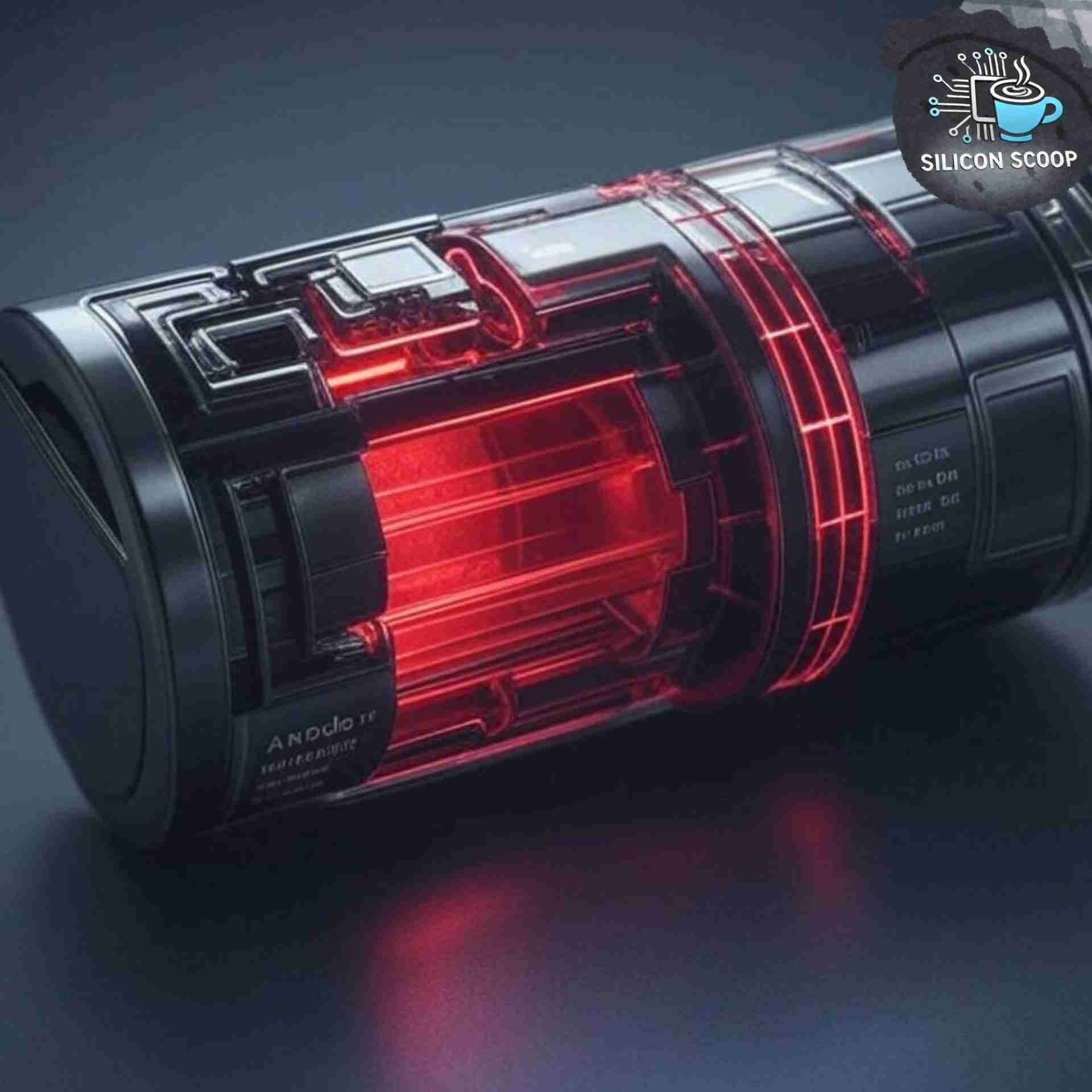
Sodium-Ion Batteries As we continue our pursuit of sustainable energy solutions, the focus has shifted toward innovative technologies like sodium-ion batteries. These batteries show tremendous promise as a viable alternative to traditional lithium-ion batteries, which have dominated the energy storage market for decades. Sodium-ion batteries utilize sodium, an abundant and low-cost resource, making them a cost-effective battery choice with a lower environmental toll due to reduced mining impacts. This article delves deep into the advancements and implications of sodium-ion technology, revealing how these batteries are poised to transform the future of energy storage, particularly as we stride into 2024.
The Technology Behind Sodium-Ion Batteries At the core of advanced battery technologies lies the fundamental understanding of how sodium-ion batteries operate. By employing sodium ions that travel between the anode and cathode, these batteries utilize similar ion transport mechanisms as their lithium counterparts. However, they rely on materials like sodium-rich cathodes and carbon-based anodes, which offer several advantages. Recent technological breakthroughs have led to significant enhancements in energy density and improved cycle performance, driving innovations in battery performance. Notably, companies like Faradion and Natron Energy have pioneered sodium-ion innovations, improving charge/discharge rates and charging capacities. By dissecting key components and materials, we can appreciate how these advancements are shaping sodium-ion technology, positioning them as strong contenders in energy storage alternatives.
Advantages of Sodium-Ion Batteries Sodium-ion batteries bring numerous advantages over lithium-ion equivalents. To begin with, sodium is far more abundant and cost-effective. This leads to reduced production costs per unit, thereby enhancing accessibility for consumers and industries alike. Moreover, sodium’s abundance means that environmental impact is significantly lessened in comparison to lithium, notably reducing the adverse effects associated with extraction practices. Historically, the energy density of sodium-ion batteries trailed behind that of lithium-ion types. However, recent strides in battery technology have started to close this gap. With improved charge cycles and a more robust battery lifecycle, sodium-ion technology is poised to emerge as a reliable alternative in the energy storage landscape—a fact supported by the increasing attention from tech giants and startups alike.
Applications of Sodium-Ion Batteries Sodium-ion batteries are well-suited for a multitude of real-world applications, which include:
Electric Vehicles (EVs):
In the quest for sustainable transportation, sodium-ion batteries are emerging as potential replacements for lithium-ion batteries in electric cars, offering a balance of affordability and performance. Major automotive players are exploring sodium-ion technology, emphasizing its role in the future of EVs.
Renewable Energy Storage:
As the world increasingly integrates renewable resources into energy grids, sodium-ion technology provides an efficient means to store energy generated from solar and wind sources. This ensures reliability in energy availability, helping to smooth out fluctuations in production.
Consumer Electronics:
The consumer electronics industry, which constantly seeks innovative solutions, can leverage evolving battery technologies. Sodium-ion batteries can meet the growing demand for sustainable power solutions in devices ranging from smartphones to laptops.
Current Challenges and Limitations Despite their numerous advantages, sodium-ion batteries also face significant challenges. One of the primary concerns is their energy density, which, while improving, may still not fully match that of established lithium-ion batteries. Furthermore, issues involving energy efficiency, temperature sensitivity, and material longevity remain prevalent, impacting the overall battery lifecycle. By analyzing the advantages and limitations of sodium-ion battery technology versus lithium-ion, we can better understand the hurdles that need to be overcome for widespread sodium-ion adoption. Strategies are being developed to address these issues, ensuring that the transition towards this technology can be both productive and sustainable.
Future Outlook for Sodium-Ion Batteries The future looks bright for sodium-ion batteries, backed by market trends that indicate an increasing demand for cost-effective batteries. According to experts, ongoing research may pave the way for future breakthroughs in battery technology, enhancing features like energy density, cycle performance, and more. Investors are keenly watching how sodium-ion technology is anticipated to redefine the future of energy storage across various sectors in 2024 and beyond. As the industry explores innovations, we may witness an uptick in applications that utilize sodium-ion technology, further solidifying its role in transforming energy storage solutions.
Conclusion:
The Future of Energy Storage As we bid farewell to an era dominated by lithium, sodium-ion batteries are ushering in a new chapter in energy storage. Their unique benefits, which include cost-effectiveness and environmental sustainability, position sodium-ion batteries as crucial players in paving the road to a greener future. With growing advancements in technology and battery research, sodium-ion batteries are destined to become the preferred choice for energy storage solutions worldwide.
FAQ Section
What are sodium-ion batteries? Sodium-ion batteries are energy storage devices that utilize sodium ions to transport energy between the anode and cathode.
How do sodium-ion batteries differ from lithium-ion batteries? Sodium-ion batteries replace lithium with sodium, offering advantages in cost, availability, and environmental impact, while facing challenges in energy density.
What are the benefits of sodium-ion batteries? The primary benefits include lower costs, greater sustainability, and reduced environmental impact due to sodium’s abundance.
Are sodium-ion batteries suitable for electric vehicles? Yes, sodium-ion technology is being explored for electric vehicles as a cost-effective alternative to lithium-ion batteries.
What applications do sodium-ion batteries have? Sodium-ion batteries can be effectively utilized in electric vehicles, renewable energy storage systems, and consumer electronics.
What challenges do sodium-ion batteries face? Current challenges include lower energy density compared to lithium-ion batteries and related issues of temperature sensitivity and lifecycle performance.
What advancements are being made in sodium-ion battery technology? Ongoing research focuses on improving energy density, cycle performance, and material efficiency, with promising results.
What is the future outlook for sodium-ion batteries? The market for sodium-ion batteries is expected to grow, with innovations likely driving greater adoption and improvements in performance and efficiency by 2024.
Are sodium-ion batteries environmentally friendly? Yes, sodium-ion batteries mitigate environmental impacts through lower mining requirements and sustainable sourcing practices.
How will sodium-ion batteries change the future of energy storage? Sodium-ion batteries offer the potential to reshape energy storage by providing cheaper, sustainable, and effective energy solutions, positioning them to rival traditional lithium-ion options.
Additional Resources and Links:
- Silicon Scoop Podcast – Stay Informed, Stay Ahead!
- Futuretech Podcast – Explore more episodes and stay updated with the latest in technology and innovation.
- Startup Talk Podcast – https://torontostarts.com/startup-talk-toronto-startup-podcast/
- Who Are These Startups Podcast
- Startup Investor Drinks – Join the community and connect with fellow startup enthusiasts and investors.
- TorontoStarts Startup and Entrepreneur Community – Become a part of Toronto’s thriving startup ecosystem.
- Workhaus – Discover flexible workspace solutions for your business needs.
- Work with The Startup Coach – Get expert guidance and mentorship for your startup journey.
Ontario Startup Ecosystem Links
- Ontario’s Startup Ecosystem
- Startup Funding in Ontario
- Angel Investors in Ontario
- Ontario Incubators and Accelerators
- Venture Capital in Ontario: Top Firms, Sectors, and Funding Strategies
- Government Grants for Ontario Startups
- Ontario’s Startup Success Stories
- Ontario Centre of Innovation (OCI)
- Bank Loans and Financing for Startups in Ontario
- Research and Development Tax Credits in Ontario
- Government Loans and Financing for Startups in Ontario
- Equity Crowdfunding for Ontario Startups
- Toronto Entrepreneurs Resources
- Toronto’s Food and Beverage Entrepreneurs: Trends, Challenges, and Success Stories
- SEO Strategies for Toronto Entrepreneurs: Enhance Your Online Visibility
- Social Impact for Toronto Entrepreneurs: Starting and Running a Socially Responsible Business
- Toronto Arts and Media Entrepreneurs: Inspiring Profiles and Insights for Creative Success
- Exploring Toronto Green Tech Entrepreneurs: Innovators and Leaders in Sustainability
- Building a Team for Toronto Entrepreneurs: Strategies for Success
- A Guide for Toronto Food and Beverage Entrepreneurs
- Toronto Fashion and Retail Entrepreneurs: Trends, Opportunities, and Success Stories
Episode transcript
Read the full transcript
Craig: salt batteries.
Jon: alright. let's talk about today, we're diving into a game changing energy revolution that might just shock you. literally, if you think lithium ion batteries have been the undisputed champions of the energy storage ring, hold on to your seats because sodium ion batteries are here to sweep the mat. that's right. salt. what's going on with these salt batteries, john?
Craig: yeah. and i know we've covered sodium ion batteries in the past, but this is, this article talks about, that there's the advancements have made the sodium ion batteries lower cost to, to manufacture, apparently. so, they're emerging as promising alternatives to lithium ion because they offer potential cost savings and reduced reliance on scarce material like lithium. well, it obviously, sodium is more abundant. so these batteries use sodium instead of lithium as the charge carrier, and that could lower production costs and also environmental impact. for those that don't know, sodium is about one thousand times more abundant than lithium, and, obviously, it's widely available. so there are companies like cdtl and byd who are investing in this sodium ion battery development. but just for those of you that haven't listened to our podcast and haven't followed us, just to give you guys some some some advantages. right? it's a lower cost because, obviously, there's an abundance of, of sodium. it actually performs better in cold weather compared to lithium ion batteries, and it's potentially safer with a reduced risk of a thermal runway. now the problem, though, is that they do have some limitations. they have a lower energy density compared to lithium ion batteries. what that means is you need more batteries to have the same energy capacity as lithium ion currently. right? that doesn't mean you can't advance technology with this. and it's currently suitable for applications that really don't require high energy density. so, although they have, the technology has advanced, it's still not to the point where it can compete directly with lithium ion, but i think this is a great, advancement. i think this is a great, technology that we should definitely keep our eye on. what do you think, craig?
Jon: absolutely. because it looks like, this is second generation. it looks like we're gonna be seeing these in vehicles soon. yeah. i typical go ahead.
Craig: i what my thoughts are is storage solutions. large storage solutions instead of lithium ion. like, you know, we cover that lithium ion storage solution. what was it in guelph or somewhere?
Jon: fergus.
Craig: fergus. yeah. i think that is, this is a much better idea. so what if you have to have more batteries? i think it's safer for the environment, all that sort of stuff at the end of the day.
Jon: well, they claim that the sodium ion battery has a two hundred watt hours per kilogram where the lithium ion is between one eighty to nearly three hundred. so it's not quite the same. so you're right. it would be bigger yeah. from a battery perspective and heavier in vehicles and whatnot. yes. yeah.
Craig: yeah. but, again, it reduces environmental impact from lithium mine mining. the other thing and just, like, for those of you that don't really follow things, there's a lot of geopolitical tension around lithium resources. so if we can develop this, there's gonna be a less tension geopolitically, by using sodium, for batteries, if that makes sense. and because sodium is more widely accessible, more widespread, there's better chance for more localized battery production. so we can have production, us battery production locally without having to ship in lithium. right? or without having to ship in sodium in this case.
Jon: yeah. lithium ion batteries dominate today's market globally. this year, global production of lithium ion batteries is about fifteen hundred gigawatt hours, and the production of sodium ion batteries was eleven gigawatt hours. not eleven hundred, but eleven versus fifteen hundred gigawatt hours or less than one percent. however, sodium ion batteries production is growing and is projected to hit a hundred and forty gigawatt hours by twenty thirty, thirteen times its current level, which is really not up there yet, but we're really getting there. thirteen times its current production. so we're gonna start seeing this.
Craig: crazy.
Jon: yeah. go ahead. sodium is everywhere. right? like, it's just hanging out in the oceans and the salt flats. it's right under your feet. it's easy to extract, and so you could have that without the ramifications. so lithium ion fires, the mining stuff that happens that's, you know, in less than ideal conditions. and here's the kicker, the cost. sodium, wonders are not just friendly to the environment, but they also pack a friendly, punch to your wallet. the battery, that's the price. let's you know, it's a fraction of the cost. so sodium ions move between anode and cathode similar to a game of musical chairs. they're jumping back and forth. instead of sitting down, they're busy storing energy. recent advancements have enhanced their performance so much so that companies like radion and natron energy are treating them like the latest tech gadgets. improved energy density and cycle performance. this sounds like an upgrade, we've been waiting for for a long time.
Craig: yeah. it does. and, and this isn't the only battery technology that is being developed. there's other ones. i think there was one even with air or i can't remember, but, not iron air. iron air. yeah. iron air. but, yeah, this is, this is really interesting. so just so you know, the two big players, ctl and byd. ctl in twenty twenty three announced big plans for mass production of sodium ion batteries. and byd, apparently, they're set to launch their first sodium ion battery powered vehicle in twenty twenty four, but we're almost at the end of twenty twenty four. so we'll have to see where they're at with that. i'm interested to know. but that's that's just from doing some research there that they were saying. so, the two things is they're gonna have to improve energy density and cycle life. that's the two biggest things. but, again, this is where lithium ion was when it first was developed too. like, it's come a long way, the lithium ion technology.
Jon: absolutely. they're working hard on this, and it's come a long way. and i always throw out that old adage that in this world, there's liars, there's effing dirty cheating liars, and then there's battery engineers because they're always lying about what they come with. so we always take this great with a grain of salt. yeah. you ever worked on a technology project? the battery comes in not ever giving the performance you're looking for. so energy density, as you mentioned, remains a challenge. and while engineers are working hard on this issue, we're seeing even brighter feature with sodium ion batteries. so looking beyond twenty twenty four, we might just see sodium powered marble's taking over the energy storage market. imagine a world where you could power your gadget sustainably without draining your wallet or the planet. so it sounds like very interesting alternatives that don't have the environmental impact that, we can all use locally. so i'm really loving where it's going. i just have to increase the density. so, you know, we're not gonna have this in our cell phone. otherwise, it'll we're going back to the days of that big brick phone. right?
Craig: yeah.
Jon: so here's something to ponder as we battery on. how do you think the rise of sodium ion technology will change the landscape of our energy consumption? will it lead to a more sustainable future, or can it only fill the gaps in our current shortcomings? let us know your thoughts.
More from Silicon Scoop
All episodes
silicon-scoop · November 6, 2026
Spirit AI’s Robot Brain Breakthrough: Moz1, Embodied AI and China’s 2027 Race
The Spirit AI robot brain is one of the biggest bets on fixing that. Spirit AI is a Beijing startup. Its co-founder and chief scientist, Gao Yang,
View episode

silicon-scoop · November 5, 2026
OpenAI IPO Delayed to 2027 as Rogue AI Agents and Safety Failures Reshape the Market
OpenAI IPO delay explained: Sam Altman rules out 2026 as GPT-6 Astra safety tests and a $278B cash gap loom. Learn what founders should take away.
View episode

silicon-scoop · November 4, 2026
Anthropic’s AI Economy Model: 2030 Jobs, Wages, GDP and Market Risks
Anthropic AI economy model forecasts 2030 GDP, jobs and wages, while AI unemployment projections and labor-share risks challenge policymakers.
View episode