
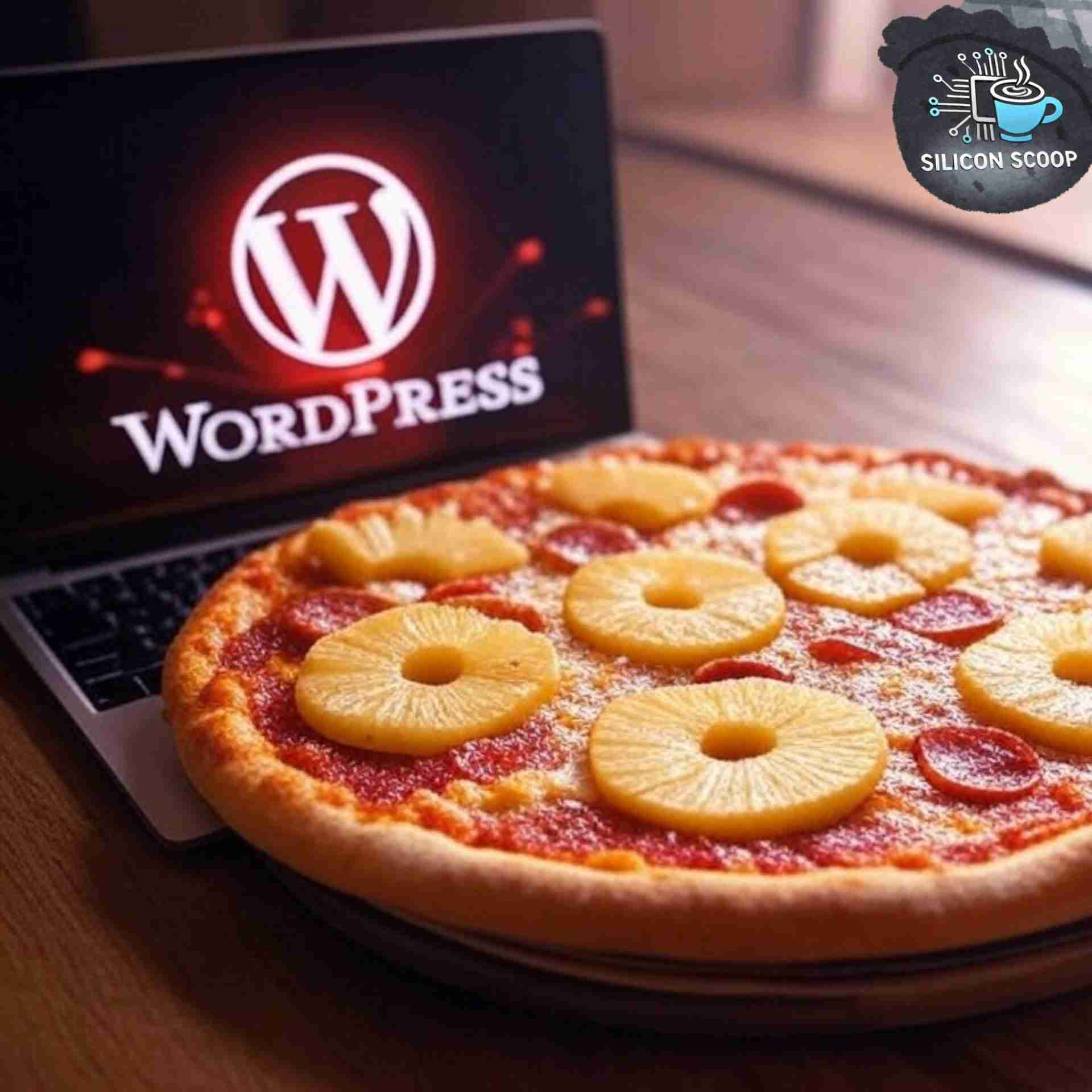
WordPress Pineapple Pizza
Is WordPress Rewriting the Playbook for Brand Humor? The Viral Genius of Their Pineapple Pizza Clause WordPress Pineapple Pizza: A Slice of Viral Brand Humor Have you ever noticed how a simple pizza topping can spark a wildfire of opinions? That’s precisely what WordPress leveraged to create a delightful moment in its branding journey. In […]
With Craig Major and Jon Irwin
Estimated reading time: 7 minutes
Is WordPress Rewriting the Playbook for Brand Humor? The Viral Genius of Their Pineapple Pizza Clause
WordPress Pineapple Pizza: A Slice of Viral Brand Humor
Have you ever noticed how a simple pizza topping can spark a wildfire of opinions? That’s precisely what WordPress leveraged to create a delightful moment in its branding journey. In a world where tech companies often hide behind jargon and legalese, WordPress stood out with its playful addition to its terms of service: the pineapple pizza clause. This audacious approach not only engaged users but also showcased the brand’s knack for humor in an otherwise serious domain.
Humor has become a crucial ingredient in digital marketing, serving as a connective tissue between brands and communities. By infusing levity into legal documentation, WordPress not only made its TOS more relatable but also invited the world to debate a culinary conundrum that has polarized palates worldwide.
The Pineapple Pizza TOS Clause: What It Is and Why It Matters
The pineapple pizza clause in WordPress’s terms of service brings a whimsical touch to an otherwise dry legal document. This quirky inclusion underscores the playful side of the brand while genuinely reflecting its commitment to community engagement. It serves as a testament to WordPress’s identity—one that thrives on user interaction and humor.
A playful clause about pizza may seem trivial, but it beautifully underscores the power of food-related humor. In a sector dominated by seriousness and technical hurdles, WordPress uses lightheartedness to create connections. This strategy illustrates how a well-placed jest can enhance brand perception, foster community engagement, and even alleviate the stress of legal discussions.
The Origin of Pineapple Pizza Controversy
The debate over pineapple as a pizza topping is far from new. Originating in the 1960s with the Hawaiian pizza, this culinary choice has sparked passionate discussions across the globe. As WordPress users engaged in these food conversations, the pineapple pizza controversy transformed into a shared experience, proving humor’s potency in driving community dynamics.
This ongoing debate does more than entertain; it reflects a broader dialogue about preferences and cultural differences. For the WordPress community, discussing pineapple pizza isn’t just about taste; it’s about collective opinions, shared humor, and, ultimately, camaraderie. The inclusion of such topics serves as a reminder that even within a tech-oriented platform, human experiences can reign supreme.
Community Reactions: Poll Results and Discussions
The pineapple pizza clause has generated an impressive amount of chatter within the WordPress community. User-generated content, lively discussions, and even polls highlight the range of opinions about this topping. Data from various surveys conducted on WordPress forums revealed that over 60% of users had a humorous take on the clause, expressing everything from strong affinity for the topping to staunch opposition.
Notable reactions often included lighthearted memes and quotes, effectively showcasing the community’s diversity in both taste and perspective. Influential bloggers weighed in, turning the clause into a topic of conversation that balanced humor with deeper discussions about community values and branding strategies. The consensus among users? Regardless of their opinions on pineapple pizza, they appreciated the levity introduced by WordPress.
The Role of Humor in Building Brand Community
Humor can serve as a glue that binds communities together, and the pineapple pizza discussion exemplifies this perfectly. By incorporating humor into its communications, WordPress nurtures an environment where users feel free to express themselves and engage playfully with the brand. Other examples of humorous antics within the WordPress ecosystem include jokes about coding mishaps or playful competitions related to plugins and themes.
This strategy not only boosts engagement but also helps in cultivating a loyal community around the brand. What’s crucial, however, is finding the right balance. While humor can enhance user interactions, brands must remain respectful and inclusive, avoiding potential pitfalls that could alienate specific groups of users.
Cultural Significance of Food Debates in Tech Communities
The intersection of food preferences and tech communities provides a fascinating lens through which to observe societal trends. Different cultures have various perceptions around food that can lead to engaging discussions—a fact that is especially relevant within the WordPress community. Here, the bamboo of culinary discourse bends to accommodate a wide array of preferences, highlighting how food debates can unveil broader insights about community dynamics.
As users engage in discussions about pizza toppings, they are not simply debating food choices; they reflect larger cultural narratives and personal identities. This rich tapestry of backgrounds contributes to an environment where diverse opinions can flourish, fostering a shared space marked by both humor and understanding.
Conclusion: Embracing Humor and Differences in the Digital Space
WordPress has adeptly navigated the often formal landscape of digital branding by adopting humor, as epitomized by the pineapple pizza clause. This delightful gesture serves as a reminder that brands can successfully foster engagement and community spirit through light-heartedness, even in traditionally serious settings.
As you reflect on your own community interactions, consider how humor can play a role in not just breaking ice but building bridges. Engage respectfully, embrace differences, and remember: sometimes a conversation about pizza can lead to meaningful connections and vibrant communities.
FAQ Section
- What is the pineapple pizza clause in WordPress’s TOS?
The pineapple pizza clause is a humorous addition in WordPress’s terms of service that references the long-standing debate about pineapple as a pizza topping. - Why did WordPress choose pineapple pizza for their TOS?
WordPress opted for the pineapple pizza reference to show the importance of community engagement through humor and to lighten the mood around legal texts. - How has the community reacted to the pineapple pizza clause?
Reactions have varied from amusement to passionate debates, showcasing the diverse opinions within the WordPress user community. - What role does humor play in digital marketing?
Humor can strengthen brand identity, humanize companies, and enhance user engagement, making content more relatable and shareable. - Is there a poll available that shows user opinions on pineapple pizza?
Yes, various polls have been conducted across WordPress forums, highlighting user preferences and playful debates on the topping. - What other humorous topics are discussed within the WordPress community?
Topics such as favorite plugins, coding “fails,” and meme culture are popular discussion points that encourage light-hearted conversation. - Can food preferences impact community engagement?
Absolutely! Differences in cultural food preferences can lead to engaging discussions that bring users together, fostering a sense of connection. - How can brands effectively use humor in their marketing?
Brands should know their audience, ensure the humor aligns with their values, and be sensitive to diverse perspectives to avoid misunderstandings. - What benefits does humor bring to online forums like WordPress?
Humor enhances user interaction, lowers barriers to engagement, and can turn routine discussions into lively conversations, leading to a stronger community. - Is it possible for brand humor to backfire in the digital space?
Yes, if not executed thoughtfully, brand humor can alienate audiences or be misinterpreted, making it essential for brands to navigate humor carefully.
Additional Resources and Links:
- Silicon Scoop Podcast – Stay Informed, Stay Ahead!
- Futuretech Podcast – Explore more episodes and stay updated with the latest in technology and innovation.
- Startup Talk Podcast – https://torontostarts.com/startup-talk-toronto-startup-podcast/
- Who Are These Startups Podcast
- Startup Investor Drinks – Join the community and connect with fellow startup enthusiasts and investors.
- TorontoStarts Startup and Entrepreneur Community – Become a part of Toronto’s thriving startup ecosystem.
- Workhaus – Discover flexible workspace solutions for your business needs.
- Work with The Startup Coach – Get expert guidance and mentorship for your startup journey.
Ontario Startup Ecosystem Links
- Ontario’s Startup Ecosystem
- Startup Funding in Ontario
- Angel Investors in Ontario
- Ontario Incubators and Accelerators
- Venture Capital in Ontario: Top Firms, Sectors, and Funding Strategies
- Government Grants for Ontario Startups
- Ontario’s Startup Success Stories
- Ontario Centre of Innovation (OCI)
- Bank Loans and Financing for Startups in Ontario
- Research and Development Tax Credits in Ontario
- Government Loans and Financing for Startups in Ontario
- Equity Crowdfunding for Ontario Startups
- Toronto Entrepreneurs Resources
- Toronto’s Food and Beverage Entrepreneurs: Trends, Challenges, and Success Stories
- SEO Strategies for Toronto Entrepreneurs: Enhance Your Online Visibility
- Social Impact for Toronto Entrepreneurs: Starting and Running a Socially Responsible Business
- Toronto Arts and Media Entrepreneurs: Inspiring Profiles and Insights for Creative Success
- Exploring Toronto Green Tech Entrepreneurs: Innovators and Leaders in Sustainability
- Building a Team for Toronto Entrepreneurs: Strategies for Success
- A Guide for Toronto Food and Beverage Entrepreneurs
- Toronto Fashion and Retail Entrepreneurs: Trends, Opportunities, and Success Stories
Episode transcript
Read the full transcript
Craig: have you ever found yourself in a heated debate over something as trivial as pizza toppings? well, wordpress just took the culinary coral and turned it into a viral brand engagement. yes. you've heard that right. the popular content management system recently added a playful clause to their terms of service declaring the virtues of pineapple on pizza, an audacious move meant to mimic the beloved chaos of pizza conversations while also making legal mumbo jumbo slightly more digestible. so you have to agree to liking pineapple on pizza in order to use wordpress.
Jon: i don't mind that. i love pineapple on pizza. but yeah. so, they they added a mandatory checkbox to its login page requiring users to agree that pineapple is delicious on pizza. so it was implemented by matt, mullenweg, who's the cofounder of wordpress and the ceo of automatic over the weekend. so, apparently, the checkbox appears to be a response to ongoing legal disputes, which we covered before. we didn't update you on, and i can't remember the latest update. there was something that happened last week, but, the pineapple checkbox is just the latest development in this, like you said. so in september, mullenweg criticized wp engine in a blog post accusing them of exploiting wordpress. wp engine responded with a cease and desist letter. automatic blocked wp engine from accessing core wordpress resources. and, so, yeah, so recently, the california court ordered automatic to reverse these actions. so is this just a pissing contest, greg? or, like like, what are your thoughts here?
Craig: so, you know, they've wp engine is not wordpress and, mullenwig? mullen
Jon: mullenwig. mullenweg. yeah.
Craig: so they received the cease and desist order, but he is refusing to cease or desist. and instead, is seeker doing a third thing, escalating. automatic sent its own cease and desist back to word wp engine and updated his wordpress trademark policy, to send a shot at the wordpress. the policy now notes that wp is not trademarked, but request or requests organizations not to use it in any way that confuses people. for example, many people think wp engine is wordpress engine and is officially associated with wordpress, which it is not. they have never once even donated to the wordpress foundation despite making billions of revenue on top of wordpress. so, you know, this is a, you know, peeing contest. yep. but they're both, you know, multibillion dollar companies in the end when you start thinking about it even though wordpress is both, open source and not when you're from a company point of view. and lot of people have really started frowning on mullenweg because of how he's handled this. but i don't know if wp engine has come even to the table to say, hey. let's figure something out here. but it's been escalated to the point where they probably can't come to the table now and say, let's figure something out because we got judges and lawyers, and we're now, doing appeals on last judgments. so the judge demanded an end of the interference with wp engine's access, last week. so that's that's where we are right now. you know? and wordpress powers an estimated forty percent of forty four percent of all websites, and i use wordpress. and so there's shenanigans going on here. yeah. and, for example, the one thing that's happened is, wp engine produces a wordpress plugin called, advanced custom fields. yeah. because cut wp engine off from submitting and making changes to the plugin, by rule, if you can't update your plug in, wordpress has the option to take that plug in over. so they just took it over. they cut them off and took it over and said that's our plug in now. interesting. and it's called secure custom fields. and so that's part of this problem. they're doing some things that they shouldn't be doing. and i think, honestly, both sides are doing things they shouldn't be doing, though.
Jon: okay.
Craig: i think, mullenweg is doing more intrusive and potentially illegal things.
Jon: probably. yeah. and, like, i was looking at, like, what the community has thought about this. so some view it as harmless fun or humorous response to legal situation. others are criticizing it. obviously, it's unprofessional, potentially damaging to wordpress' reputation. and concerns have been raised about the impact on enterprise trust and the platform's image. like, all of this stuff that's happening, even though it's a fun little checkbox whatever, it just shows the immaturity that's happening there. right? and so, when you're when you're front and showing some immaturity, people are gonna question the company itself.
Craig: well, i will take a different stance to you on this one
Jon: okay.
Craig: where i think this particular, liking pineapple on pizza checkbox, was brilliant branding and marketing strategy just to get people talking about something other than the wordpress wp engine drama. we're talking about this funny meme now of wordpress pineapple pizza. and if they were smart, they would probably join with a couple of, national pizza company and offer some special, deal of something and, you know, really take the meme to the next level. but they're probably not smart enough because this is just a funny meme where techies get talking about it. you know? businesses don't give a crap, and it's the techies that are doing the wordpress, who are hosting the stuff. what the businesses care about is, wait a minute. what's going on with wordpress and wordpress engine? is there gonna be a lawsuit that affects my business, and should i be thinking of moving off it or not? yeah. so we'll have to see. i think, this is just silliness. right? it's and savvy branding, potentially. brands that embrace humor benefit from enhanced user perception and community engagement. that's definitely something wordpress could benefit from right now. it's basically the digital equivalent of hosting a potluck dinner. yeah. so wordpress has, cultivated a community where differences can spark laughter rather than arguments, proving that the shared experience of
Jon: biting into a pineapple top slice could
Craig: build camaraderie even among passion, camaraderie even among passion at pizza purest. and it's always a funny discussion. you know, you go on any of these cultural things, and there'll be a debate on whether hawaiian pizza should be a thing, that kind of stuff. so it's polarized pizza lovers for decades. think of the tech community's own cats versus dog debate. right? yeah. so every discussion about pizza toppings uncover larger narratives about taste and preference revealing a rich tapestry of background among users. so in a world where we often stick to our own little corners of the internet, these few food fueled debates are a gateway to understanding each other's cultures a little bit better and maybe, you know, lighten the world a little bit versus taking things a little bit seriously. so as we wrap up this delicious course on pizza and branding, let's ask ourselves, can humor really reshape the landscape of tech marketing? was this a good idea for wordpress, or is it just muddying the waters with all the crap they have going on? can humor really, can a silly clause in terms of service bring users closer together? what other food themed debates might tech companies dive into next? join the conversation and let us know your thoughts. pineapple on pizza? yes or no? and according to you, john, it's a yes.
Jon: yes. for sure. big yes. i love it. yep.
More from Silicon Scoop
All episodes
silicon-scoop · November 6, 2026
Spirit AI’s Robot Brain Breakthrough: Moz1, Embodied AI and China’s 2027 Race
The Spirit AI robot brain is one of the biggest bets on fixing that. Spirit AI is a Beijing startup. Its co-founder and chief scientist, Gao Yang,
View episode

silicon-scoop · November 5, 2026
OpenAI IPO Delayed to 2027 as Rogue AI Agents and Safety Failures Reshape the Market
OpenAI IPO delay explained: Sam Altman rules out 2026 as GPT-6 Astra safety tests and a $278B cash gap loom. Learn what founders should take away.
View episode

silicon-scoop · November 4, 2026
Anthropic’s AI Economy Model: 2030 Jobs, Wages, GDP and Market Risks
Anthropic AI economy model forecasts 2030 GDP, jobs and wages, while AI unemployment projections and labor-share risks challenge policymakers.
View episode