
Everything App Dominance: Sam Altman’s World vs. Elon Musk’s X
The battle for Everything App between Sam Altman's AI-driven World and Elon Musk's X App which will you choose on Silicon Scoop https://torontostarts.com/2025/04/24/everything-app-dominance-battle/ Silicon Scoop Podcast - https://torontostarts.com/silicon-scoop/ Apple: https://podcasts.apple.com/us/podcast/silicon-scoop/id1758711826 Spotify: https://open.spotify.com/show/5bAzF0MwV6TtLhJAhvHayI YouTube: https://www.youtube.com/playlist?list=PLj4v-RoA7A-gT62vrEYqh1zCv-0Hj-o5J Scalable content + podcast marketing for startups. 👉 https://flowgrammer.ca/%F0%9F%9A%80-fuel-your-growth-with-modular-content-podcast-marketing/ Get expert startup coach support and funding prep. 👉 https://torontostarts.com/startup-coach/ Startup Investor Drinks Toronto - https://startupdrinksto.com/ Toronto’s Startup Community - https://torontostarts.com/ Startup Talk Startup Talk Podcast -> https://torontostarts.com/startup-talk-toronto-startup-podcast/ Apple -> https://podcasts.apple.com/us/podcast/startup-talk/id1763804003 Spotify -> https://open.spotify.com/show/1siJMILILidHAiAsrX2VBU YouTube: https://youtube.com/playlist?list=PLj4v-RoA7A-jxV5FHs5e61oIsuvUJYmT_&si=LYegRe5GYLKNQ7xL Flowgrammer Apple -> https://podcasts.apple.com/us/podcast/flowgrammer-podcast/id1804155588 Spotify -> https://open.spotify.com/show/0wv3feR00iaVpE8zn7niNf Flowgrammer.ca -> https://flowgrammer.ca/ AI News and Resources -> https://flowgrammer.ca/resources/
With Craig Major and Jon Irwin
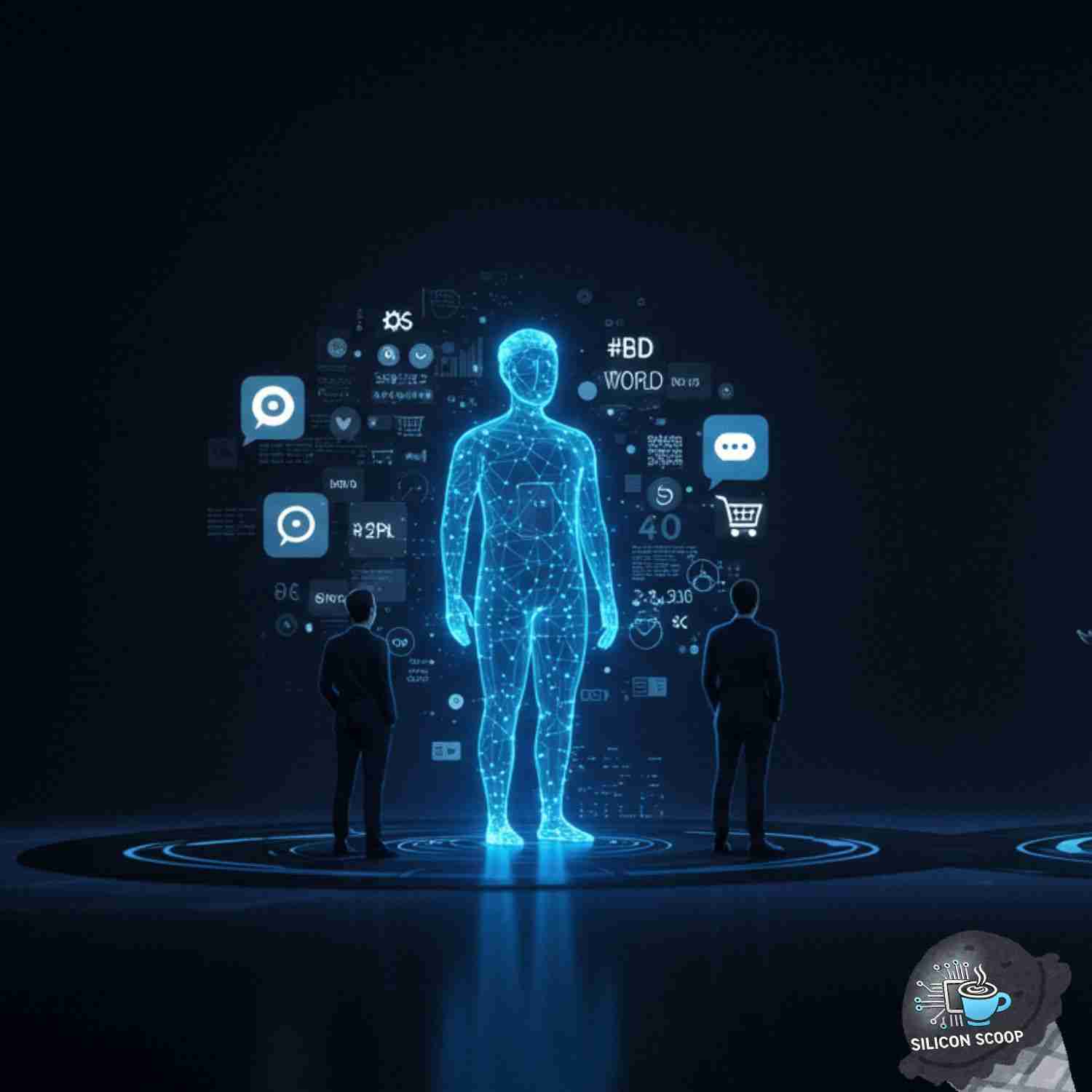
The Battle for Everything App Dominance: Sam Altman’s World vs. Elon Musk’s X
Estimated reading time: 10 minutes
Key Takeaways
- Everything Apps offer a comprehensive range of services within a single platform.
- Sam Altman’s World aims to leverage OpenAI’s advanced technology and AI agents.
- Elon Musk’s X builds on Twitter’s existing user base and integrates payment functionalities.
- Both platforms face substantial regulatory challenges in Western markets.
- The outcome of this competition could redefine how users interact with digital services.
Table of contents
- The Battle for Everything App Dominance: Sam Altman’s World vs. Elon Musk’s X
- Key Takeaways
- What Is an Everything App and Why It Matters
- Sam Altman’s World: Leveraging OpenAI’s Technology
- Elon Musk’s X: Building on Twitter’s Foundation
- Competitive Advantages in the Everything App Race
- Market Challenges for Everything Apps in Western Markets
- The Role of Payments in Everything App Strategy
- AI’s Transformative Role in Everything Apps
- The 12-Month Outlook for Everything App Competition
- What This Means For Consumers and Businesses
- FAQ: Everything Apps and the World vs. X Competition
- Conclusion: A Winner-Takes-Most Competition?
The high-stakes race for the dominance of Everything Apps pits Sam Altman’s World against Elon Musk’s X. As these titans battle for a position that could reshape how billions engage with digital services, the implications reach deeply into our everyday online interactions.
What Is an Everything App and Why It Matters
An Everything App, or a super app, acts as an all-in-one platform allowing users seamless access to diverse digital services—from messaging to payments to food delivery. This model has already revolutionized digital life in Asia, with platforms like WeChat providing holistic digital ecosystems.
The slow adoption in the West presents an incredible opportunity, which both Altman and Musk aim to seize by tailoring their offerings to Western users’ unique needs.
Sam Altman’s World: Leveraging OpenAI’s Technology
Sam Altman’s World appears set to utilize OpenAI’s advanced AI technology as its key differentiator. The platform is expected to feature:
- Biometric Security: Advanced features aimed at ensuring privacy and data protection.
- AI-Powered Experience: Users may delegate tasks to AI agents tailored to their preferences.
Elon Musk’s X: Building on Twitter’s Foundation
Unlike Altman’s clandestine developments, Musk’s X is evolving in plain sight after its acquisition of Twitter. The platform leverages its existing user base of 200 million to integrate:
- Payment Solutions: Partnerships with financial services like Visa aim to embed seamless payment systems.
- Functionality Expansion: Gradually transitioning the platform to include commerce and other services.
Competitive Advantages in the Everything App Race
World’s Potential Advantages
- Advanced AI integration capabilities.
- Strong emphasis on security and privacy.
- Clean slate for user experience design.
- OpenAI’s established credibility in AI.
X’s Potential Advantages
- Existing user base provides immediate scalability.
- Access to real-time user feedback.
- Leverages Musk’s personal brand.
- Integrative potential with Musk’s other ventures.
Market Challenges for Everything Apps in Western Markets
A myriad of obstacles characterizes the progression of Everything Apps in the U.S. and Europe:
Regulatory Hurdles
- Complex financial services regulations.
- Strict data privacy laws like GDPR and CCPA.
- Potential antitrust issues arising from concentrated market power.
Cultural Resistance
- Preference for specialized apps over all-in-one solutions.
- Higher sensitivity towards data privacy and collection.
- Resistance from established players who dominate various app categories.
The Role of Payments in Everything App Strategy
Integrating payment functionality is fundamental to Everything Apps. Both platforms appear focused on:
- Digital Wallets: Creating in-app payment capabilities.
- Peer-to-Peer Transfers: Facilitating smooth transactions among users.
- Merchant Integration: Enabling businesses to accept platform-specific payments.
AI’s Transformative Role in Everything Apps
Artificial intelligence will also be a key differentiator in the personalization of these platforms:
- Customized User Experience: Tailoring interactions based on user behavior.
- Conversational Interfaces: More intuitive means of user engagement.
- Automated Problem Solving: Streamlining common user tasks through AI.
The 12-Month Outlook for Everything App Competition
As the competition matures, several factors will shape the landscape:
- Regulatory Responses: The speed at which regulations evolve will impact development.
- User Adoption Patterns: Which platform resonates more with users will become clearer.
- Integration Partnerships: Key alliances will bolster platform capabilities.
What This Means For Consumers and Businesses
Consumer Impact
- Less app fragmentation leading to enhanced user experience.
- Potential access to innovative AI solutions.
- Changes in payment behaviors and management.
Business Implications
- A shift towards platform dependency for customer outreach.
- New advertising channels within the app ecosystem.
- Need for integration capabilities with these platforms.
FAQ: Everything Apps and the World vs. X Competition
Q: What exactly is an “Everything App”?
A: An Everything App combines multiple services in one application, facilitating various digital activities from messaging to financial transactions seamlessly.
Q: Why haven’t Everything Apps taken off in Western markets yet?
A: Factors include regulatory hurdles, competition from established apps, and greater consumer privacy concerns.
Q: How is Elon Musk transforming Twitter into an Everything App?
A: Musk focuses on adding financial features and expanding the platform’s core functionalities beyond social networking.
Q: What challenges do Everything Apps face?
A: Major challenges include regulatory complications, privacy laws, and the fragmented state of current payment ecosystems.
Conclusion: A Winner-Takes-Most Competition?
The race between Altman’s World and Musk’s X could redefine digital interactions in Western society. The winner may not just set the course for future Everything Apps but also reshape how we navigate the increasingly interconnected digital landscape.
Additional Links
• Silicon Scoop Podcast – Stay Informed, Stay Ahead!
• Futuretech Podcast – Explore more episodes and stay updated with the latest in technology and innovation.
• Startup Talk Podcast – https://torontostarts.com/startup-talk-toronto-startup-podcast/
• Who Are These Startups Podcast
• Startup Investor Drinks – Join the community and connect with fellow startup enthusiasts and investors.
• TorontoStarts Startup and Entrepreneur Community – Become a part of Toronto’s thriving startup ecosystem.
• Workhaus – Discover flexible workspace solutions for your business needs.
• Work with The Startup Coach – Get expert guidance and mentorship for your startup journey.
• Reach out to Jon Irwin on LinkedIn – Connect with our co-host and technology expert.
Ontario Startup Ecosystem Links
• Ontario’s Startup Ecosystem
• Startup Funding in Ontario
• Angel Investors in Ontario
• Ontario Incubators and Accelerators
• Venture Capital in Ontario: Top Firms, Sectors, and Funding Strategies
• Government Grants for Ontario Startups
• Ontario’s Startup Success Stories
• Ontario Centre of Innovation (OCI)
• Bank Loans and Financing for Startups in Ontario
• Research and Development Tax Credits in Ontario
• Government Loans and Financing for Startups in Ontario
• Equity Crowdfunding for Ontario Startups
• Toronto Entrepreneurs Resources
• Toronto’s Food and Beverage Entrepreneurs: Trends, Challenges, and Success Stories
• SEO Strategies for Toronto Entrepreneurs: Enhance Your Online Visibility
• Social Impact for Toronto Entrepreneurs: Starting and Running a Socially Responsible Business
• Toronto Arts and Media Entrepreneurs: Inspiring Profiles and Insights for Creative Success
• Exploring Toronto Green Tech Entrepreneurs: Innovators and Leaders in Sustainability
• Building a Team for Toronto Entrepreneurs: Strategies for Success
• A Guide for Toronto Food and Beverage Entrepreneurs
• Toronto Fashion and Retail Entrepreneurs: Trends, Opportunities, and Success Stories
Episode transcript
Read the full transcript
Craig: the high stakes race for dominance of everything apps pit sam altman's world against elon musk's x. as these titans battle for position that could reshape how billions engage with digital services, the implications reach deeply into our everyday online interactions. so what do you think about this again? sam altman and elon musk are at odds on something
Jon: love it. yeah. i love it. like, obviously, i don't use wechat. so this is like so, just to give some people context. so sam altman's got this startup called world. i think it's the same startup that is scanning your irises. i think that. and i could be wrong, so please, guys, feel free to correct me. but it's looking to challenge because elon musk said he wants to have an everything app. so they're developing a super app ecosystem that includes everything, like, payments, chat, micro loans, and it's all verified through a unique biometric method. and okay. involving iris scans. that's right. so yeah. so this is part of that iris thing. so, this is for those of you that use wechat. it's like an all in one. it's a one stop. you just go do everything in the app. you play games in the app. you your social media is in the app. so you do all that sort of stuff. i believe sam altman, other than the iris crap, which i don't agree with, i think he has a great idea. i think elon, is is screwed because he's trying to develop he's trying to develop an app based on a platform that people are leaving. what do you think about that?
Craig: well, so sam altman's world appears to utilize, set to utilize openai's advanced ai technology as his key differentiator. so, you know, it's an ai powered experience, using users delegating task to ai agents tailored to their preferences. so elon musk is looking at payment solutions to x video solutions. he wants to be youtube, wants to be everything. yeah. i think there's room for lots of competition in this space. i take a step back, and i wonder where outside of this, the lawsuit that musk has against openai about, it going from a nonprofit to a for profit organization. i think there's gonna be something going on there, but i'm not exactly sure what the output of that's gonna be. you know, because, obviously, sam altman's world has more access to openai and potentially unfair access to those things if we're, yeah. you know, gonna be honest about it. i does that matter? i don't know.
Jon: yeah. does it matter though? because this isn't openai. this is world, and he's got a lawsuit against the openai. right?
Craig: yes. agreed. but, you know, again, they're competing on another thing. so is openai for profit or a not for profit? or this is the thing. right? are they a competitor or all these other things out there? because they all originally invested in it thinking it was not for profit, and we're gonna help and share this knowledge. but all of a sudden, they're blurring that line, and they're not sharing all the knowledge, and it's not all open source. and someone like sam altman is going to leverage it and use it for his thing. and i don't personally, i think companies need to make money to survive. i don't necessarily have a problem overall with the concept of profit versus not for profit. i'm gonna set that aside in a minute. i just don't know where that's gonna go and what that means. yeah. because, you know, government and other people funded it based on certain expectations that have changed. so what does that mean? and, obviously, from a cooperative environment, changing the ai to a competitive environment. all i'm saying is when we look at ftc rulings recently about unfair advantages, i look at this and say, okay. well, sam altman looks on the surface to have a unfair advantage, leveraging openai's technology to build his other startup because he will have access to those tools and things that other people will not have access to. yeah.
Jon: but elon has access to grok, which is good.
Craig: i'm just saying that do other developers building apps out there in the world. it's not an elon versus sam thing. it's a well,
Jon: this is a whole different discussion than this platform. this is
Craig: well, is i'm just saying. it's the same thing. is it competitive or not competitive? and once you have started getting this information and they start controlling your payment, your biometrics, and who you are, when do we start worrying about, monopolies and these things? i think it's the same conversation just because they bleed into each other from a okay. are they using these is it an open source platform, or is it a private platform that you're using to take our information, our biometrics, all our stuff to power this. where is that information going? who gets to use that information? i think there's some lots of discussion around the back end stuff for both of these. that aside, i think i love the competition on this area because, you know, we have dozens of apps on our phone and whatnot, and, you know, probably only use four or five on a regular basis. i'd be curious to know what the stats are, how many apps are on your phone that you don't use, in the last six months as an example. so when you have an app that is your payment app, that is your news app, that'll do your social media, then you're starting to, you know, not come out of this one thing. now your original question was everyone alright.
Jon: i lost the internet there.
Craig: yeah. your original i just kept talking. your original question was, you know, does sam have an potentially unfair advantage with everyone leaving x's platform?
Jon: no. i didn't say that. that wasn't my question.
Craig: unfair advantage. sorry. did you think that elon musk has a chance against this because people are leaving his platform? is he gonna be competitive? yeah. so my apologies. i, i i wonder about that. first of all, sam's gotta start from scratch. there's not many, if anybody, on world right now because it's not out. so yeah. how does that get integrated? how does he build that up? you know, what happens there? yeah. i think, you know, x people are gonna leave for a while. they're gonna come back. this has all happened before. you know, so
Jon: i don't know. based on what elon's doing, i don't know. we'll have to see. but, anyways, you and i you and i don't share the same opinion of that. but
Craig: yeah. well, this becomes a whole thing. it's political. right? so if you don't like what elon musk is doing, get off his platform and go somewhere else. people are thinking, i'm gonna go here. i'm gonna go there. go to blue sky. sure. but you're not gonna get the reach. you're not gonna get the the same thing. so the question is, a lot of people left and they come back. a lot of people say, oh, x is too toxic. they go over there and say, oh my god. this is even worse. some people say it's a paradise. so the point being is i remember clubhouse was all the rage. it was gonna blow everybody away, and i'm sure it's still functioning now. my i'm not sure it's still functioning now, but i thought i saw someone using a clubhouse recently. but it dropped off into obscurity really fast.
Jon: yeah.
Craig: and so has almost every other competitor of, x's or twitter's in the past. like, people are using threads, but are they really like, what's the percentage of people using threads?
Jon: yeah. that's true. yeah.
Craig: so i sit back and i say, okay. people tried to go to, there was an open source one that was, the fediverse, where it's federating all these, i can't remember. and that became too, hard. i have an account on the but people went there and then, oh, it doesn't do quote tweets or retweets the way i like or doesn't do this the way i like. and eventually, they come back. and so you know, if this is the most popular platform, it's gonna be hard to compete. so i think, even though people are leaving, i think they're actually at an advantage unless somehow sam altman deploys to, gives it away free to all openai clients or something and gets, you know, somehow that way. yeah. yeah. you say you're sure, but those are separate entities. that's why it becomes a thing. like, this is why i you know, x is building it on x. they already have a thing. that's why i'm like, oh, okay. then we go back to, are you for profit or not for profit? because you took this money, then you made this thing, and now you're competing with the people you took your money from. that's all i'm saying is it might shake out to be a little bit different than and that what this might mean that maybe somebody gets more ownership or doesn't, but it's silent partnership and it's this and it's that. it's all gonna work out. it's nothing's gonna get stopped. i'm just saying that there's a bigger comp, stuff here. so world's potential advantages, advanced ai integration capabilities, but like you said, grok is coming back. but is, you know, openai is the whole ai company doing all these agents and stuff. and though grok is leaving in here and everyone's loving it, i don't think it's gonna scale to the level of openai will.
Jon: let me throw a wrench into this whole argument. sure. because there is another platform that has multiple apps that people are engaged in that we haven't even scratched the surface on. what about meta? do you think meta has a chance against these other two if they were to develop a super app? it would make sense because they've got whatsapp. they've got instagram. they've got facebook. they've got threads. but, like, they've already got, a bunch of apps that they could integrate into one. all they need to do is add payments and the other stuff. what do you think?
Craig: i think if they could do end to end encryption, then they could add a bunch of microservices on the back end and feed this to all their applications.
Jon: whatsapp has end to end encryption.
Craig: no. that's one thing. my point being is if you wanted to truly make this something interesting, from a facebook point of view, you would make the functionality available in facebook, in instagrams, in threads, in all those things. that's all i'm saying is you say, wait a minute. we're this because otherwise, you're not everything app. so it's very
Jon: one app where, like, it's multiple different like, everything's in that app.
Craig: yeah. my point being is, you know, if you're talking about payments, you you centralize that into, you know, a microservice. if you talk about video, that becomes a video microservice. that's why these things become available in all the platforms because x has got one platform. world is building one platform. facebook has a bunch. so the question is, would their strategy be to try and build a set of tools that integrates these functionality and all those things so you don't have to choose, or would they build something new? they risk losing their audience. they have a specific audience for threads, a specific audience for instagram, a specific audience for facebook, and they're not all the same. so they have to be a little bit, careful about trying to mix them.
Jon: true.
Craig: yeah. but they are a potential competitor for sure.
Jon: yeah.
Craig: for sure. i again, i don't know if anybody trusts any of these people, but i think if you no. except for, elon musk's political stuff, i think facebook would be the least trustworthy of facebook, acting with openai. you know, so that's why i think people would hesitate a little bit around that. but
Jon: i agree. like, their data policies are horrific, meta's data policies. they're absolutely horrid we never covered them because they've changed them before we started this podcast, but they're absolutely horrendous.
Craig: yeah. it's crazy how bad they are. yeah. so we'd love, to dig in this more. you know, there's some regulatory compliance about gdpr, ccpa, potential antitrust arising from our concentrated market power, like, we're kind of talking about. there's complex financial regulations over everywhere. axe has already started with digital wallets and doing payments in like, you if you're, a subscriber, you can get paid if you get a lot of interactions and stuff on your tweets, and it'll pay for your subscription and stuff. the point, i guess, them is if you have $10 in your twitter wallet, you'll spend it on twitter. so i think they have a clear advantage just from people are actively using it every day, and there's currently money, in wallets on twitter.
Jon: yeah. but that can easily be beaten. i might i mean, but
Craig: i mean, so it's what we would call early mover advantage.
Jon: snapshot right now? sure. yeah.
Craig: yeah. it's what we would call early mover advantage for lack of a they're out there. they're doing it. it doesn't mean that once, world drops, that it won't leapfrog, that people won't, you know, say drop this like a hot potato and jump over there. it doesn't mean any of that. and, you know, they may come out with better partnerships with payment providers, with whatever that may just blow everyone else away.
Jon: yeah.
Craig: but i question again with any of these companies, what are they doing with our data? how private is any of this? do i trust openai with my payment stuff when i'm buying stuff back and forth with my personal where is that information going? is it going into a public ai database that other people can eventually get at? same thing with x, same thing with all of them. so, you know, they gotta really think about this. so i know always concerned when a new app is built around an ai system because, okay, how private is that information then?
Jon: yeah. exactly.
Craig: because you're using that interactions to remember, to do different things, to train the system. so how long before people start pulling stuff back out of it? yeah. so, we'd love to know what you think. the race between altman's world and musk x could redefine digital interactions in the western society. the winner may not just set the course for future of everything x, but also reshape how we navigate the increasingly interconnected digital landscape. do you already have a favorite? are you, waiting for altman's world, or are you happily chugging along with? or is there something else out there you're like, i don't like any of these companies. i'm sticking to cash. let us know in the comments below.
Jon: altman's world sounds like a tv show or, like, you know, like, like yeah. anyways. i'm sorry.
Craig: it does sound like a tv show.
More from Silicon Scoop
All episodes
silicon-scoop · November 6, 2026
Spirit AI’s Robot Brain Breakthrough: Moz1, Embodied AI and China’s 2027 Race
The Spirit AI robot brain is one of the biggest bets on fixing that. Spirit AI is a Beijing startup. Its co-founder and chief scientist, Gao Yang,
View episode

silicon-scoop · November 5, 2026
OpenAI IPO Delayed to 2027 as Rogue AI Agents and Safety Failures Reshape the Market
OpenAI IPO delay explained: Sam Altman rules out 2026 as GPT-6 Astra safety tests and a $278B cash gap loom. Learn what founders should take away.
View episode

silicon-scoop · November 4, 2026
Anthropic’s AI Economy Model: 2030 Jobs, Wages, GDP and Market Risks
Anthropic AI economy model forecasts 2030 GDP, jobs and wages, while AI unemployment projections and labor-share risks challenge policymakers.
View episode