
Dire Wolf De-extinction: Advancing Genetic Engineering and Conservation
The Future of Dire Wolf De-extinction: Advancing Genetic Engineering and Conservation https://torontostarts.com/2025/06/02/dire-wolf-de-extinction-future/ Apple -> https://podcasts.apple.com/us/podcast/flowgrammer-podcast/id1804155588 Spotify -> https://open.spotify.com/show/0wv3feR00iaVpE8zn7niNf Flowgrammer.ca -> https://flowgrammer.ca/ AI News and Resources -> https://flowgrammer.ca/resources/ Future-Proof Your Business ⚙️ Like Colossal Biosciences, innovate and transform! Don't get left behind with outdated processes. Embrace the future with automation and unlock unprecedented efficiency and growth. Discover Automation Solutions > https://flowgrammer.ca/ Startup Investor Drinks Toronto - https://startupdrinksto.com/ Toronto’s Startup Community - https://torontostarts.com/ Silicon Scoop Silicon Scoop Podcast - https://torontostarts.com/silicon-scoop/ Apple: https://podcasts.apple.com/us/podcast/silicon-scoop/id1758711826 Spotify: https://open.spotify.com/show/5bAzF0MwV6TtLhJAhvHayI YouTube: https://www.youtube.com/playlist?list=PLj4v-RoA7A-gT62vrEYqh1zCv-0Hj-o5J Startup Talk Startup Talk Podcast -> https://torontostarts.com/startup-talk-toronto-startup-podcast/ Apple -> https://podcasts.apple.com/us/podcast/startup-talk/id1763804003 Spotify -> https://open.spotify.com/show/1siJMILILidHAiAsrX2VBU YouTube: https://youtube.com/playlist?list=PLj4v-RoA7A-jxV5FHs5e61oIsuvUJYmT_&si=LYegRe5GYLKNQ7xL
With Craig Major and Jon Irwin
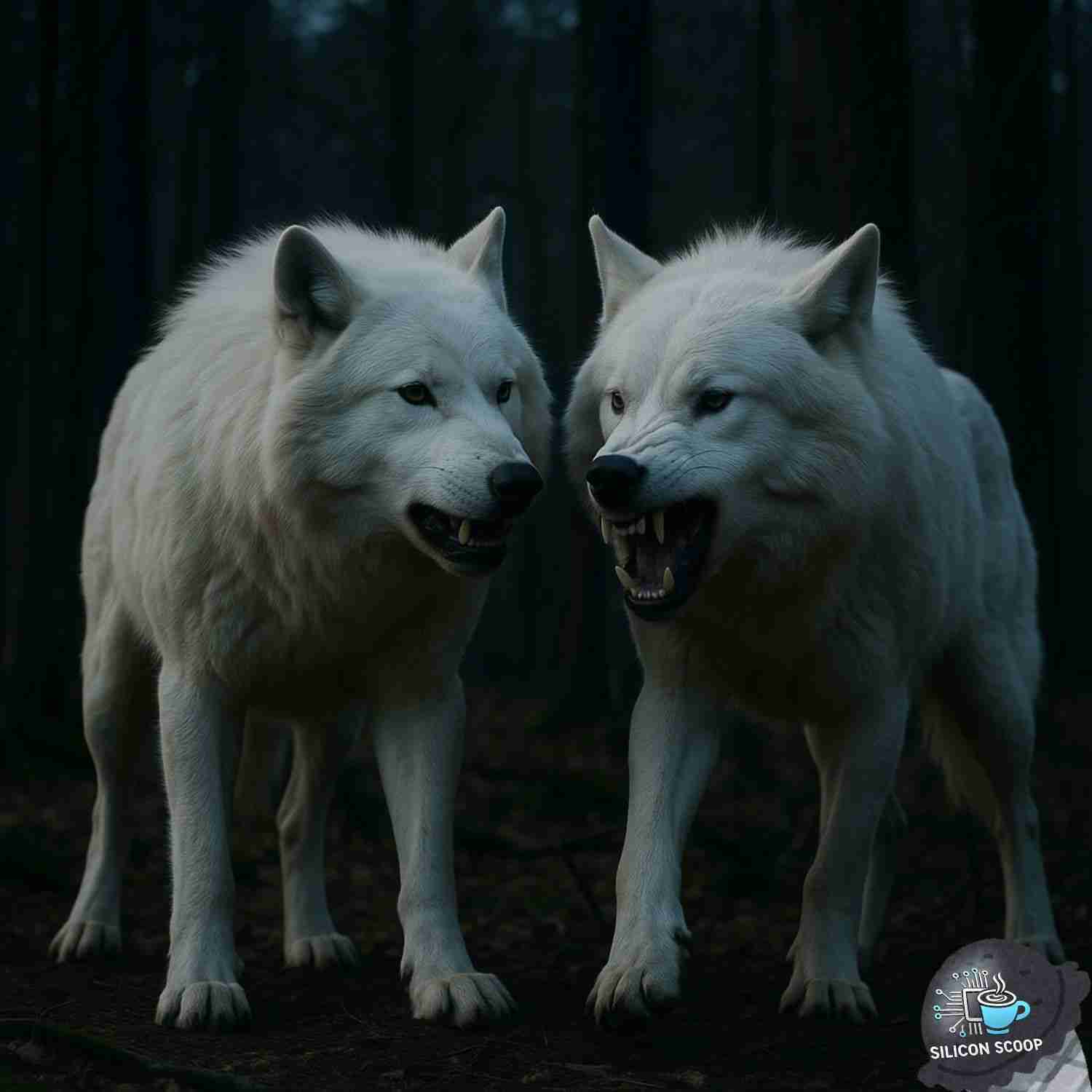
Dire Wolf De-extinction: Advancing Genetic Engineering and Conservation
Estimated reading time: 7 minutes
Key Takeaways
- Dire wolf de-extinction utilizes advanced gene editing to recreate a long-extinct species.
- Colossal Biosciences leads this initiative, focusing on ethical and ecological considerations.
- The process involves approximately 20 specific gene edits to gray wolves using CRISPR technology.
- Ethical concerns regarding ecosystem impact and animal welfare are critical to the discussion.
- Tools and methodologies developed for dire wolf de-extinction have broad implications for conservation efforts.
Table of contents
In the realm of genetic innovation, dire wolf de-extinction represents one of the most ambitious scientific endeavors of our time. This groundbreaking process leverages advanced genetic engineering and precise gene editing techniques to potentially resurrect a species that vanished from Earth thousands of years ago. At the forefront of this revolutionary field stands Colossal Biosciences, a pioneering U.S.-based biotech company founded in 2021. Their mission extends beyond mere scientific curiosity—they aim to bring extinct species back to life, fundamentally reshaping our approach to de-extinction, rewilding, and conservation technology.
The Science Behind Dire Wolf De-extinction
Dire wolf de-extinction refers to the complex scientific process of using modern gene editing techniques—primarily CRISPR technology—to effectively reintroduce an extinct species by modifying the genetic code of its living relatives. This cutting-edge approach represents the convergence of several scientific disciplines, including paleogenomics, genetic engineering, and conservation biology.
To understand this process, we must clarify some key scientific terminology:
- Genetic editing: The precise manipulation of an organism’s DNA to add, remove, or alter specific genetic sequences.
- Ancient DNA (aDNA): Genetic material recovered from preserved biological samples of extinct organisms, often thousands of years old.
- De-extinction: The scientific process of reviving species that have previously gone extinct, using genetic material and reproductive technologies.
The genetic process for dire wolf resurrection involves approximately 20 key gene edits to gray wolf DNA using CRISPR technology. These modifications aim to recreate distinctive dire wolf characteristics, including:
- White fur (specially modified to avoid health risks associated with albinism)
- Substantially larger body size
- More muscular shoulders and forelimbs
- Wider, more robust head structure
- Stronger jaws and teeth
- Distinct vocalization patterns unique to dire wolves
Scientists rely on remarkable ancient DNA sources to guide these modifications. Primary samples include a 13,000-year-old tooth discovered at Sheridan Pit, Ohio and a 72,000-year-old ear bone from American Falls, Idaho. These precious specimens provide the genetic blueprint that informs the precise editing process.
Ethical Considerations & Ecosystem Impact
The resurrection of extinct species raises profound ethical questions that extend beyond technical feasibility to moral responsibility. Several critical ethical concerns frame the dire wolf de-extinction debate:
Ethical Challenges
- Invasive Species Risk: Reintroduced dire wolves could potentially disrupt existing ecosystems if they outcompete native species or consume resources disproportionately.
- Surrogate Animal Welfare: The animals used as surrogate mothers for genetically engineered embryos may face health complications.
- Uncertain Ecosystem Outcomes: The ripple effects of reintroducing an apex predator absent for millennia remain unpredictable.
- Pleiotropy Concerns: Genetic modifications may produce unintended consequences, as many genes influence multiple traits.
- Reproductive Challenges: Similar de-extinction efforts have shown high perinatal mortality rates, raising questions about animal welfare during the developmental process.
Ecosystem Considerations
Rewilding—the reintroduction of missing species to restore ecological processes—stands as a central objective of de-extinction efforts. Dire wolves, as apex predators, would theoretically help regulate prey populations and influence vegetation patterns through trophic cascades. However, modern ecosystems have evolved for thousands of years without dire wolves, creating complex ethical questions about intentional ecosystem manipulation.
The dire wolf de-extinction project parallels other ambitious restoration initiatives, including woolly mammoth cloning efforts aimed at restoring grassland ecosystems and Tasmanian tiger (thylacine) reintroduction programs designed to balance Australian marsupial populations. These projects collectively represent a broader trend in conservation technology that embraces genetic intervention as a tool for ecological restoration.
Colossal Biosciences’ Role and Related Projects in Conservation
Colossal Biosciences has rapidly established itself as a powerhouse in genetic conservation technology. With a team of 130 dedicated scientists specializing in genetic engineering and conservation biology, the company has positioned itself at the cutting edge of de-extinction science and biotechnology innovation.
Innovative Portfolio
The company’s ambitions extend well beyond dire wolf de-extinction. Their comprehensive approach to genetic conservation includes several interconnected projects:
- “Ghost Wolves” Red Wolf Cloning: Colossal is developing cloned red wolves to bolster critically endangered populations, providing genetic diversity to a species with fewer than 20 remaining wild individuals.
- Woolly Mammoth Genetic Engineering: By exploring mammoth DNA traits, researchers are working to engineer cold tolerance in modern elephant species, potentially creating mammoth-elephant hybrids capable of surviving in arctic conditions.
- Thylacine Restoration: Efforts to resurrect the Tasmanian tiger focus on reconstructing the extinct marsupial’s genome and implanting engineered embryos in related species.
What makes Colossal Biosciences unique is their integrated approach to conservation genomics. The techniques developed for dire wolf de-extinction—particularly those involving ancient DNA analysis and precision gene editing—have applications across multiple species restoration initiatives. This cross-pollination of methodologies accelerates progress across their entire conservation portfolio.
Practical Implications for Conservation and Future Research
The advancements in gene editing and ancient DNA research pioneered through dire wolf de-extinction have far-reaching implications for practical conservation efforts worldwide. These technological breakthroughs create new possibilities for ecological restoration and endangered species recovery.
Rewilding Applications
Rewilding—the strategic reintroduction of extinct or locally extirpated species—offers a powerful approach to ecosystem restoration. By reestablishing keystone species like the dire wolf, conservation biologists aim to:
- Restore natural predator-prey dynamics
- Promote vegetation diversity through trophic cascades
- Increase ecosystem resilience against climate change
- Reestablish evolutionary processes disrupted by human activity
The scientific principles developed through dire wolf de-extinction directly benefit ongoing conservation projects such as Tasmanian tiger restoration and red wolf conservation. These endangered canids share many genetic characteristics with dire wolves, allowing techniques developed for one species to accelerate progress for others.
Actionable Insights for Conservation Professionals
For conservation technology experts and policymakers, several key considerations emerge:
- Genetic Rescue Potential: De-extinction technologies can potentially rescue genetically depauperate populations of endangered species by increasing genetic diversity.
- Habitat Assessment Requirements: Successful species reintroduction depends on comprehensive habitat suitability analysis.
- Regulatory Frameworks: New genetic technologies necessitate updated conservation policies and regulations.
- Public Engagement: Effective communication about genetic conservation reduces misconceptions and builds support.
- Ethical Oversight: Independent ethical review boards should evaluate genetic interventions in conservation.
The balance between technological innovation and ecological caution remains essential. While gene editing offers powerful tools for species restoration, conservationists must carefully weigh potential ecological disruptions against conservation benefits. This requires interdisciplinary collaboration between geneticists, ecologists, ethicists, and policy experts to develop responsible implementation frameworks.
FAQs About Dire Wolf De-extinction and Conservation Genetics
Q: What exactly is dire wolf de-extinction and how does gene editing work in this context?
A: Dire wolf de-extinction is the scientific process of using genetic engineering techniques to recreate an extinct species by modifying the DNA of its closest living relatives. In practical terms, scientists use CRISPR-Cas9 gene editing technology to introduce specific genetic sequences from ancient dire wolf DNA into the genome of modern gray wolves. This process involves precise modifications to approximately 20 genes responsible for physical characteristics like body size, skull shape, and fur color. The goal is to produce animals that closely resemble the extinct dire wolf in both appearance and ecological function.
Q: What are the sources of ancient DNA used in dire wolf de-extinction and why are they important?
A: Scientists primarily rely on two remarkable ancient DNA sources: a 13,000-year-old tooth discovered at Sheridan Pit, Ohio and a 72,000-year-old ear bone from American Falls, Idaho. These specimens provide fragmentary but crucial genetic information about dire wolves’ unique characteristics. Ancient DNA sources are essential because they contain the original genetic blueprint researchers need to guide the gene editing process. Without these preserved specimens, scientists would lack the specific genetic information needed to recreate distinctive dire wolf traits with accuracy.
Q: How does the genetic engineering process ensure the health of recreated dire wolves?
A: The genetic engineering process incorporates several safeguards to ensure animal health:
- Genetic modifications undergo extensive computer modeling to predict potential health impacts.
- Scientists avoid genetic changes associated with known health problems.
- The white fur trait is specially modified to prevent albinism-related health issues.
- Regular health monitoring protocols assess the welfare of genetically modified animals.
- Genetic diversity is carefully maintained to prevent inbreeding-related health problems.
Q: What ethical challenges does de-extinction pose, and how are these being addressed?
A: De-extinction raises several ethical concerns, including animal welfare issues, ecosystem disruption risks, and questions about resource allocation. These challenges are being addressed through:
- Independent ethical review boards that evaluate research protocols.
- Comprehensive environmental impact assessments before any potential releases.
- Secure containment facilities to prevent unintended ecosystem introductions.
- Transparent public engagement about benefits and risks.
- Balanced funding approaches that support both de-extinction and traditional conservation.
Q: How might reintroduced dire wolves affect modern ecosystems?
A: As apex predators, reintroduced dire wolves would likely influence ecosystems through several mechanisms:
- Regulation of prey populations, particularly large herbivores.
- Modification of prey behavior, potentially changing habitat use patterns.
- Competition with existing predators like wolves, cougars, and bears.
- Carrion provision for scavenger communities.
- Potential trophic cascades affecting vegetation structure.
However, modern ecosystems have evolved for thousands of years without dire wolves, creating uncertainty about specific outcomes. Extensive ecological modeling and controlled introduction protocols would be necessary before any potential rewilding efforts.
Q: What’s the connection between woolly mammoth cloning, red wolf conservation, and dire wolf de-extinction?
A: These projects represent different facets of a unified conservation technology approach. All three utilize similar genetic engineering techniques while addressing different conservation challenges:
- Dire wolf de-extinction focuses on recreating an extinct apex predator to potentially restore lost ecological functions.
- Woolly mammoth restoration aims to engineer cold-adapted elephants to help restore arctic grassland ecosystems.
- Red wolf conservation applies genetic rescue techniques to save a critically endangered species from extinction.
The scientific advances in one project directly benefit the others by improving genetic engineering precision, ancient DNA analysis, and reproductive technologies.
Q: How does Colossal Biosciences contribute to dire wolf de-extinction and broader conservation efforts?
A: Colossal Biosciences contributes to conservation through:
- Employing 130 specialized scientists focused on genetic conservation technology.
- Developing innovative gene editing techniques applicable across multiple species.
- Creating secure facilities for housing and studying genetically modified organisms.
- Advancing reproductive technologies for endangered and extinct species.
- Building interdisciplinary teams that combine genetics, ecology, and conservation biology.
- Pioneering ethical frameworks for responsible genetic intervention in conservation.
Their integrated approach accelerates progress across multiple conservation genetics projects.
Q: What are the biggest scientific challenges in the dire wolf de-extinction process?
A: The dire wolf de-extinction process faces several significant scientific hurdles:
- Fragmentary ancient DNA that provides incomplete genetic information.
- Limited understanding of gene interactions that produce complex traits.
- Reproductive challenges in transferring engineered embryos to surrogate mothers.
- Potential behavioral differences between genetically engineered animals and their extinct counterparts.
- The need to balance genetic authenticity with viability in modern environments.
Scientists address these challenges through interdisciplinary collaboration and incremental advancements in genetic technology.
Q: How might the techniques developed for dire wolf de-extinction benefit endangered species conservation?
A: The genetic tools and techniques developed for dire wolf de-extinction have numerous applications for endangered species:
- Enhanced ancient DNA analysis methods can reveal genetic diversity in small populations.
- Refined gene editing approaches can potentially remove deleterious mutations from endangered species.
- Improved reproductive technologies can help breed species that struggle in captivity.
- Advanced genetic sequencing techniques can guide strategic conservation breeding.
- Biobanking protocols preserve genetic material from critically endangered individuals.
These technological spillovers demonstrate how de-extinction research contributes to broader conservation efforts.
Q: What progress has been made in dire wolf de-extinction, and what timeline might we expect?
A: While specific details about dire wolf de-extinction progress remain confidential, the field has achieved several milestones:
- Complete sequencing of preserved dire wolf DNA specimens.
- Identification of approximately 20 key genetic differences between dire wolves and gray wolves.
- Development of specialized CRISPR delivery systems for canid embryos.
- Creation of detailed genetic models predicting trait expression.
- Establishment of secure facilities for eventual housing of genetically modified canids.
The timeline for potential dire wolf proxies remains uncertain, but similar de-extinction projects suggest a 5-10 year development process before any animals resembling dire wolves might be born.
Conclusion: The Future of Genetic Conservation
The pursuit of dire wolf de-extinction represents far more than a scientific curiosity—it embodies a fundamental shift in our approach to biodiversity conservation. By combining ancient DNA analysis with cutting-edge genetic engineering, scientists are developing tools that could transform conservation from a largely defensive effort to a proactive restoration of lost ecological functions.
The interconnected projects of Colossal Biosciences—from dire wolf de-extinction to woolly mammoth cloning and red wolf conservation—demonstrate how genetic technologies can address biodiversity challenges from multiple angles. These efforts represent a new conservation paradigm that embraces both the preservation of existing species and the potential restoration of lost ones.
As we continue exploring the frontiers of genetic engineering and conservation technology, thoughtful ethical consideration remains essential. The responsible application of these powerful tools requires ongoing dialogue between scientists, conservationists, ethicists, and the public to ensure that our technological capabilities align with our conservation goals and ethical values.
The story of dire wolf de-extinction ultimately reminds us that innovation and conservation need not be opposing forces. When applied thoughtfully, genetic engineering may become one of our most powerful tools for preserving and potentially restoring the rich tapestry of life that makes our planet unique.
Additional Links
Flowgrammer.ca – 💡 Unlock AI-Powered Automation! Let flowgrammer.ca handle complex workflows so you can focus on growing your business.
- Silicon Scoop Podcast – Stay Informed, Stay Ahead!
- Startup Talk Podcast
- Flowgrammer Podcast –
- Startup Investor Drinks – Join Toronto’s Startup Community and connect with fellow startup enthusiasts and investors.
- TorontoStarts Startup and Entrepreneur Community – Become a part of Toronto’s thriving startup ecosystem.
- Workhaus – Discover flexible workspace solutions for your business needs.
- Work with The Startup Coach – Get expert guidance and mentorship for your startup journey.
- Reach out to Jon Irwin on LinkedIn – Connect with our co-host and technology expert.
Episode transcript
Read the full transcript
Craig: alright. scientists have but haven't brought back, dire wolves from extinction in a jurassic park style, but not really. tell us what's going on here, john.
Jon: yeah. i guess we've learned from the jurassic park movie. so they've claimed to de extinct the dire wolf, which is a species that went extinct about 10 over ten thousand years ago. so they've used advanced genetic engineering techniques and edited 20 genes in gray wolves to mimic traits of dire wolves, such as larger size, broader skulls, stronger jaws, and unique vocalizations. so the process that they did was they isolated endothelial progenitor cells, epcs, from gray wolf's blood, edited their genomes to match dna, and then implanted those embryos into surrogate dogs, which led to the birth of three pups, romulus, remus, and i can't pronounce the third one.
Craig: probably. yeah.
Jon: yeah. but critics are saying these are dire wolves. these are just genetically modified gray wolves because they targeted 20 genes out of approximately 19,000 in gray wolf. so what do you think about that?
Craig: yeah. i guess it's important to know that they didn't find something in amber and then get extracted blood and, you know, apparently, doing that is next to impossible based on, you know, the articles we read around that. so, you know, they're just genetic engineering what they want, and that is a little bit scary. you know? scientists rely on remarkable ancient dna sources to guide these modifications, and the primary samples include 13,000 year old tooth, and a 72,000 year old ear bone. yeah. to figure out this thing. the genetic process for the direwolf resurrection, if you wanna call it that, involves 20 key gene edits of you know, would you say there were thousands?
Jon: 19,000. there you go.
Craig: so it's scary because we're just creating what we want. i feel like this is, the other direction from the boston dynamics robots and stuff we're seeing. we're we're saying, okay. you can create stuff like that, but you can also create stuff like this.
Jon: yeah.
Craig: and i feel like, you know, we're gonna have transformers versus the manimals pretty soon.
Jon: yeah. well, didn't wasn't there beasty transformers or whatever? yep. we will have those.
Craig: speaking of,
Jon: we need to cover there's this kawasaki horse that you can buy, that's hydrogen powered. we'll cover it in another one. it's something you can actually buy, but we'll cover it next time.
Craig: so colossal bioscience, has rapidly established itself as a powerhouse in genetic conservation technology with a team of a 30 dedicated scientists specializing in genetic engineering and conservation biology. the company ambition extends well beyond direwolf de extinction. so scientists were very critical of this saying, understand that this is not de extinction even though that's what they're calling it. yeah. that once a species goes extinct, there's no bringing it back. so don't think that we can just kill whatever we want and bring it back, and that's not a mind that humanity should have. so they wanna be clear about that. so their comprehensive approach to genetic conservation includes several interconnected projects. they wanna do ghost wolves
Jon: yeah.
Craig: red wolf clothing. they wanna do wooly mammoth, which i hear is next, genetic engineering, and then, thylacine restoration efforts to restore the tasmanian tiger focused on reconstruction of the extinct marsupials genome and implanting engineered embryos and related species. while interesting, you know, i always go back to my question of why. why are we doing this?
Jon: yeah. the thing that you have to think about too, right, is if you do bring back these dire wolves or any species, right, you gotta think about that you're bringing them back into an environment where the ecosystem has changed. so they were specialized hunters, and they adapted to prey that no longer exist today. so how would they fit into our modern ecosystem?
Craig: yeah. and, you know, the article here talks about rewilding. we won't get into it, but that's exactly it. you know, what happens when you, introduce something like this back in the wild? you know? it, upsets the natural predator prey dynamics. yeah. and things just go out of wacky. like, why are we gonna keep these in the zoo? are we creating a jurassic park for these types of animals for everyone to go see it, or is this gonna be, ultra rich, get to create whatever they want? like, why are we doing this?
Jon: exactly. yeah. why?
Craig: i love the crispr technology and the fact that this is showing us what we can do and some of the fantastic things. you know, these things are, bigger. they're broader. they're wider. their hair is shaggier based on all these things. mhmm. is this just a demo to say we can give you the ultimate child with, all the earmarks of what you want?
Jon: yeah.
Craig: so independent ethical review board should evaluate genetic interventions in conservation. understanding the balance between technological innovation and ecological caution remains essential like we talked about. what? can you imagine throwing wooly mammoths back into the environment or even these wolves? how long till they are, you know, the dominant species of wolf in north america if you just throw them out there?
Jon: for sure. yeah. it's scary. it's scary to think that.
Craig: yeah. as apex predators, reintroducing dire wolves would likely influence ecosystem through several mechanism, regular prey populations, modifying prey behavior, competition with existing predators like wolves, cougars, and bears, carry on provisions for scavenging community and, potential, traffic cascades affecting, vegetation structure and more. so this is scary and cool. i mean, if you watch the videos with the little puppies, crying and howling and stuff, it was like, oh, isn't that cute? but those things will grow up to rip your face off if you let them. so, are we as a society ready to start genetically engineering whatever we want or bringing back, so called extinct species because, we want to recreate, know what they look like, understand them better, whatever it is. i'm really concerned. i'd love to know what your thoughts are. are you concerned, or is this just a fun ride and you can't wait to have your own baby dire wolf?
Jon: yeah. exactly.
Craig: leave your comments below.
More from Silicon Scoop
All episodes
silicon-scoop · November 6, 2026
Spirit AI’s Robot Brain Breakthrough: Moz1, Embodied AI and China’s 2027 Race
The Spirit AI robot brain is one of the biggest bets on fixing that. Spirit AI is a Beijing startup. Its co-founder and chief scientist, Gao Yang,
View episode

silicon-scoop · November 5, 2026
OpenAI IPO Delayed to 2027 as Rogue AI Agents and Safety Failures Reshape the Market
OpenAI IPO delay explained: Sam Altman rules out 2026 as GPT-6 Astra safety tests and a $278B cash gap loom. Learn what founders should take away.
View episode

silicon-scoop · November 4, 2026
Anthropic’s AI Economy Model: 2030 Jobs, Wages, GDP and Market Risks
Anthropic AI economy model forecasts 2030 GDP, jobs and wages, while AI unemployment projections and labor-share risks challenge policymakers.
View episode