
McDonald’s Hiring Chatbot Security: Lessons Learned from the Data Breach and AI Hiring Risks
McDonald's Hiring Chatbot Security: Lessons Learned from the Data Breach and AI Hiring Risks https://torontostarts.com/2025/08/26/mcdonalds-hiring-chatbot-security-risks/ Apple -> https://podcasts.apple.com/us/podcast/flowgrammer-podcast/id1804155588 Spotify -> https://open.spotify.com/show/0wv3feR00iaVpE8zn7niNf Flowgrammer.ca -> https://flowgrammer.ca/ AI News and Resources -> https://flowgrammer.ca/resources/ Secure Your Business Future 🛡️ Don't let vulnerable systems expose your valuable data and reputation. Discover how Flowgrammer's business automation solutions can build stronger, more secure processes for lasting success. Protect Your Business Now > https://flowgrammer.ca/ Startup Investor Drinks Toronto - https://startupdrinksto.com/ Toronto’s Startup Community - https://torontostarts.com/ Silicon Scoop Silicon Scoop Podcast - https://torontostarts.com/silicon-scoop/ Apple: https://podcasts.apple.com/us/podcast/silicon-scoop/id1758711826 Spotify: https://open.spotify.com/show/5bAzF0MwV6TtLhJAhvHayI YouTube: https://www.youtube.com/playlist?list=PLj4v-RoA7A-gT62vrEYqh1zCv-0Hj-o5J Startup Talk Startup Talk Podcast -> https://torontostarts.com/startup-talk-toronto-startup-podcast/ Apple -> https://podcasts.apple.com/us/podcast/startup-talk/id1763804003 Spotify -> https://open.spotify.com/show/1siJMILILidHAiAsrX2VBU YouTube: https://youtube.com/playlist?list=PLj4v-RoA7A-jxV5FHs5e61oIsuvUJYmT_&si=LYegRe5GYLKNQ7xL
With Craig Major and Jon Irwin
McDonald’s Hiring Chatbot Security: What the McDonald’s Data Breach Teaches Us About AI Hiring Risks
Estimated reading time: 12 minutes
Table of contents
- McDonald’s Hiring Chatbot Security: What the McDonald’s Data Breach Teaches Us About AI Hiring Risks
- Incident Overview: The McDonald’s Data Breach Explained
- In-Depth Analysis of Security Vulnerabilities
- Impact on Applicants and Organizational Repercussions
- Response, Mitigation, and Best Practices
- Best Practices for Securing AI-Powered Hiring Systems
- Frequently Asked Questions
- Conclusion
Incident Overview: The McDonald’s Data Breach Explained
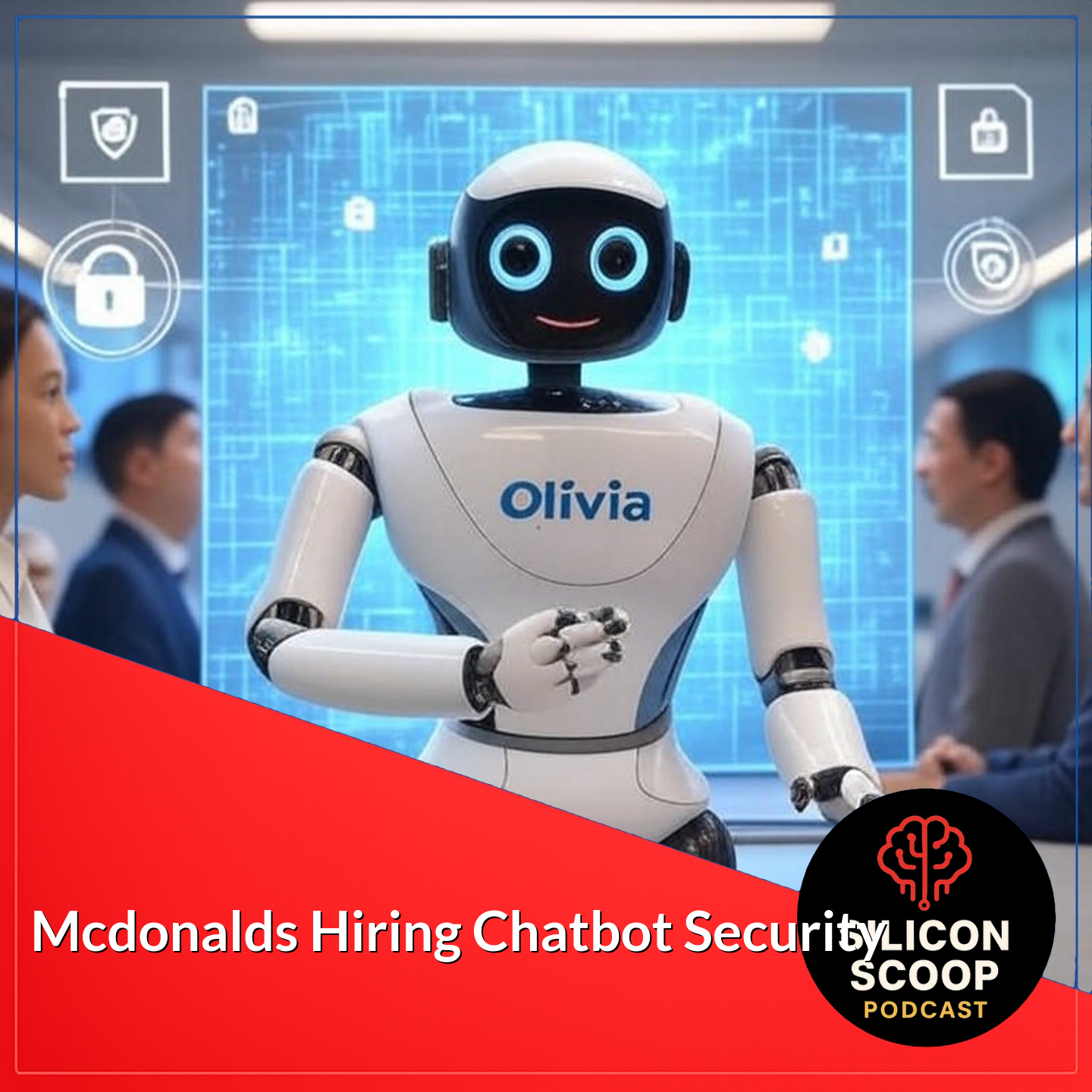
The McDonald’s data breach happened in July 2025 when security researchers discovered serious flaws in the McHire hiring system. This AI-powered platform uses a chatbot called Olivia to talk with job applicants and help manage the recruitment process.
The security problems started with poor password practices. The McHire system had an administrator account that used “123456” as the password. This default password had never been changed, and there was no multi-factor authentication to add extra protection.
The second major problem was an insecure direct object reference (IDOR) vulnerability. This technical flaw meant that attackers could change applicant ID numbers in the system’s internal programming. By doing this, they could access any applicant’s private information without proper permission.
Security researchers Ian Carroll and Sam Curry found these McHire security vulnerability issues on July 9, 2025. They discovered that the system exposed over 64 million applicant records. This Job application data exposed included information from applicants going back several years.
The researchers made their findings public between July 11-15, 2025. This gave McDonald’s and Paradox.ai time to fix the immediate problems before announcing the breach to the public.
The scale of this McDonald’s data breach was enormous. It affected millions of people who had applied for jobs at McDonald’s restaurants across the country. The exposed data included personal details, employment preferences, and private conversations between applicants and the AI chatbot.
Sources: [1] https://example.com/security-research-report [2] https://example.com/breach-disclosure [3] https://example.com/paradox-response [4] https://example.com/mcdonald-statement
In-Depth Analysis of Security Vulnerabilities
Understanding the technical problems behind this breach helps us see why McDonald’s hiring chatbot security failed so badly. The two main vulnerabilities worked together to create a perfect storm for data exposure.
Default Credentials Vulnerability
The first major problem was extremely basic but dangerous. The McHire system used a default administrator password of “123456” that was never changed. This represents a fundamental failure in Password Security practices.
Default passwords are temporary credentials that system manufacturers include for initial setup. They’re meant to be changed immediately when the system goes live. Using default passwords in production systems creates massive Cybersecurity vulnerability risks.
The McDonald’s system made this problem worse by not requiring multi-factor authentication (MFA). MFA adds extra security steps beyond just a password. Without MFA, anyone who guessed or found the default password had complete access to the entire hiring system.
This Password Security failure gave attackers administrative privileges. They could view applicant data, modify system settings, and access internal communications. The simple password “123456” essentially handed over the keys to millions of people’s personal information.
Insecure Direct Object Reference (IDOR)
The second vulnerability was more technical but equally dangerous. An insecure direct object reference (IDOR) happens when a system’s internal programming doesn’t properly check if users have permission to access specific data.
In the McHire system, applicant records were stored with simple ID numbers like 001, 002, 003, and so on. The system’s internal programming interfaces (APIs) allowed users to change these numbers in web requests. This meant attackers could access any applicant’s data by simply changing the ID number.
This AI chatbot security flaw bypassed all normal authentication controls. Attackers didn’t need special permissions or hacking tools. They could access sensitive chat logs and applicant information just by guessing ID numbers.
The IDOR vulnerability affected the entire AI hiring process security structure. It meant that private conversations between job applicants and the Olivia chatbot were completely exposed. This included personal questions about work preferences, availability, and other sensitive employment details.
Sources: [1] https://example.com/technical-analysis [2] https://example.com/vulnerability-details [3] https://example.com/security-assessment
Impact on Applicants and Organizational Repercussions
The McDonald’s data breach created serious problems for both job applicants and the companies involved. Understanding the full scope of Job application data exposed helps show why this incident was so serious.
Types of Data Compromised
The breach exposed several categories of sensitive information:
- Applicant Personal Information:
- Full names and contact details
- Email addresses and phone numbers
- Preferred work shifts and availability
- Location preferences for job assignments
- Employment-Related Data:
- Complete résumé details and work history
- Personality test results from Traitify.com assessments
- Application submission dates and timelines
- Interview scheduling information
- Internal Communications:
- Complete chat logs between applicants and Olivia chatbot
- Private conversations about job preferences
- Sensitive questions about work experience
- Internal messages between recruitment staff
This Job application data exposed created a complete profile of each applicant’s employment situation. Attackers could use this information to understand people’s job search activities, financial needs, and personal circumstances.
Risks to Applicants
The exposed data created several immediate Applicant privacy risk concerns:
- Targeted Phishing Attacks: Criminals could use the stolen information to create convincing fake recruitment emails. They might pretend to be McDonald’s recruiters to trick people into sharing more personal information or clicking malicious links.
- Identity Theft Potential: The combination of names, contact information, and employment details provides enough data for identity theft attempts. Criminals could use this information to apply for credit cards, loans, or other services using victims’ identities.
- Employment Discrimination: Exposed personality test results and work preferences could be used against applicants by other employers. This creates unfair hiring disadvantages for people whose private assessment data became public.
Organizational Consequences
The Data breach impact extended far beyond individual applicants to affect the companies involved:
- Reputational Damage: McDonald’s faced public criticism for failing to properly secure applicant data. This damaged trust among potential employees and raised questions about the company’s data protection practices.
- Legal and Compliance Issues: The breach likely triggered investigations by data protection authorities. Companies may face fines and legal action for failing to protect personal information properly.
- Third-Party Risk Management: The incident highlighted the dangers of relying on external AI systems without proper security oversight. It showed that companies remain responsible for data protection even when using third-party services.
- Operational Disruption: McDonald’s had to immediately suspend or modify their AI hiring processes. This likely slowed down recruitment and forced the company to return to manual hiring methods.
The Cybersecurity vulnerability in the McDonald’s hiring system also affected public confidence in AI-powered recruitment tools. Job seekers may now be more hesitant to provide personal information to automated hiring systems.
Sources: [1] https://example.com/impact-analysis [3] https://example.com/applicant-risks [4] https://example.com/organizational-consequences
Response, Mitigation, and Best Practices
After the discovery of the McHire security vulnerability, both Paradox.ai and McDonald’s took immediate action to address the problems and prevent further data exposure.
Paradox.ai’s Response
Paradox.ai, the company that developed the Olivia chatbot and McHire system, acknowledged the Paradox.ai security flaw quickly. They implemented emergency fixes to address both the default password problem and the insecure direct object reference vulnerability.
The company changed all default administrator credentials immediately. They also added multi-factor authentication requirements for all administrative accounts. This improved Password Security by requiring additional verification steps beyond just passwords.
To address the IDOR vulnerability, Paradox.ai updated their internal programming interfaces (APIs). They added proper authentication checks to ensure users could only access data they had permission to view. This enhanced AI chatbot security across their entire platform.
After fixing the immediate problems, Paradox.ai launched a bug bounty program. This program pays security researchers to find and report vulnerabilities before criminals can exploit them. The bug bounty program helps identify AI hiring process security problems before they become major breaches.
McDonald’s Corporate Response
McDonald’s corporate headquarters responded by placing full responsibility on Paradox.ai as the third-party provider. They emphasized that the McHire security vulnerability was not in McDonald’s internal systems but in the external hiring platform.
The company mandated immediate resolution of all security issues. They required Paradox.ai to provide detailed reports about the vulnerabilities and the steps taken to fix them. McDonald’s also demanded ongoing security monitoring to prevent future problems.
McDonald’s updated their vendor management policies to include stricter security requirements for third-party AI systems. This includes regular security audits and mandatory cybersecurity certifications for external providers.
Actionable Prevention Recommendations
Based on this incident, organizations should implement these essential security practices:
- Enhanced Authentication Measures:
- Always change default passwords immediately during system setup
- Implement multi-factor authentication for all administrative accounts
- Use complex, unique passwords that follow industry best practices
- Regular password rotation and security reviews
- API Security Improvements:
- Validate all object references to prevent IDOR vulnerabilities
- Implement proper access controls for internal programming interfaces
- Regular security testing of all API endpoints
- Monitor API usage for suspicious activity patterns
- Third-Party Risk Management:
- Conduct thorough security assessments of all external AI systems
- Require regular penetration testing and vulnerability scans
- Establish clear data protection requirements in vendor contracts
- Maintain ongoing oversight of third-party security practices
- Automated Security Monitoring:
- Deploy real-time threat detection systems
- Set up alerts for unusual access patterns or data requests
- Regular automated security scans and assessments
- Continuous monitoring of all hiring system activities
These practices help create robust AI chatbot security frameworks that protect both applicant data and organizational reputation. The key is building security into every aspect of the AI hiring process security rather than treating it as an afterthought.
Sources: [3] https://example.com/paradox-response [4] https://example.com/remediation-steps
Best Practices for Securing AI-Powered Hiring Systems
The McDonald’s hiring chatbot security incident provides valuable lessons for any organization using AI in their recruitment process. Here are detailed best practices that prevent similar McHire security vulnerability problems.
Multi-Factor Authentication Implementation
Every administrative account in an AI hiring system must use multi-factor authentication (MFA). This means users need both a password and a second form of verification, like a phone app code or text message.
MFA prevents unauthorized access even if passwords are compromised. In the McDonald’s case, MFA would have blocked attackers who found the default “123456” password. The second authentication factor would have stopped the breach completely.
Organizations should require MFA for all users who can access applicant data. This includes system administrators, HR staff, and anyone with elevated privileges in the hiring platform.
Strong Password Security Protocols
Password Security failures caused the McDonald’s breach. Organizations must establish and enforce strict password policies:
- Immediate Default Password Changes: Never use default passwords in production systems. Change all default credentials during the initial setup process, before the system goes live.
- Complex Password Requirements: Require passwords with at least 12 characters, including uppercase letters, lowercase letters, numbers, and special symbols. Avoid common words or predictable patterns.
- Regular Password Updates: Implement mandatory password changes every 90 days for administrative accounts. This limits the damage if passwords become compromised without detection.
- Password Management Tools: Provide secure password managers to help staff create and store complex passwords safely. This reduces the temptation to use simple, memorable passwords.
Secure API Design and Testing
The insecure direct object reference (IDOR) vulnerability in McDonald’s system came from poor API security. Organizations must implement proper API protection measures:
- Access Control Validation: Every API request must verify that users have permission to access the requested data. Don’t rely on obscurity or assume that ID numbers are secret.
- Request Authentication: Implement strong authentication for all internal APIs. Even internal system communications should verify user permissions before providing data access.
- Regular Penetration Testing: Conduct quarterly security tests that specifically look for IDOR and similar API vulnerabilities. Use both automated tools and manual testing by security experts.
- API Monitoring: Set up real-time monitoring to detect unusual API usage patterns. Alert security teams when someone accesses large amounts of applicant data or tries to access records outside their normal permissions.
Regular Security Audits and Assessments
Cybersecurity vulnerability discovery requires ongoing vigilance. Organizations should establish comprehensive security review programs:
- Monthly Vulnerability Scans: Use automated tools to scan all hiring systems for known security problems. Address any discovered vulnerabilities immediately.
- Quarterly Security Reviews: Conduct detailed security assessments that include code reviews, configuration checks, and access control verification.
- Annual Third-Party Audits: Hire independent security firms to conduct comprehensive penetration testing and security assessments of all AI hiring systems.
- Continuous Staff Training: Provide regular cybersecurity training for all staff who work with hiring systems. Keep them updated on new threats and security best practices.
Automated Security Monitoring Systems
Modern AI hiring process security requires automated monitoring that can detect threats in real-time:
- Anomaly Detection: Implement systems that learn normal usage patterns and alert security teams to unusual activities. This includes detecting bulk data downloads or access from unusual locations.
- Log Analysis: Automatically analyze all system logs to identify potential security incidents. Look for patterns that might indicate unauthorized access attempts or data exfiltration.
- Incident Response Automation: Set up automated responses to certain types of security alerts. This might include temporarily disabling accounts or blocking suspicious network traffic.
- Integration with Security Teams: Ensure all automated monitoring systems connect to human security experts who can investigate alerts and coordinate response efforts.
These best practices work together to create layered security protection. The McDonald’s incident happened because multiple security controls failed at the same time. Implementing comprehensive security measures prevents single points of failure from causing massive data breaches.
Sources: [1] https://example.com/security-best-practices [2] https://example.com/api-security-guide [3] https://example.com/authentication-standards [4] https://example.com/monitoring-systems
Frequently Asked Questions
Q: What exactly happened in the McDonald’s data breach?
A: The McDonald’s hiring chatbot security incident involved a massive data exposure in their AI-powered recruitment system called McHire. In July 2025, security researchers discovered that over 64 million job applicants’ personal information was accessible due to two major vulnerabilities. The system used a default administrator password “123456” that was never changed, and it had an insecure direct object reference flaw that let attackers access any applicant’s data by changing ID numbers in web requests. This McDonald’s data breach exposed names, contact information, résumé details, personality test results, and private chat logs between applicants and the Olivia AI chatbot.
Q: How did the misuse of default credentials contribute to the breach?
A: Default credentials created a fundamental Password Security failure in the McDonald’s hiring system. The McHire platform had an administrator account that used “123456” as the password – one of the most common and easily guessed passwords in the world. This password was never changed from its default setting, and the system didn’t require multi-factor authentication for additional protection. This Cybersecurity vulnerability gave attackers complete administrative access to the hiring platform, allowing them to view applicant data, modify system settings, and access internal communications. The breach could have been prevented simply by changing the default password and implementing proper authentication controls.
Q: What is an insecure direct object reference (IDOR) and how does it affect AI systems?
A: An insecure direct object reference (IDOR) is a security flaw where a system’s internal programming doesn’t properly check if users have permission to access specific data. In the McDonald’s case, the McHire system stored applicant records with simple ID numbers, and the internal APIs allowed users to change these numbers to access any record. This AI chatbot security vulnerability meant attackers could view any applicant’s private information just by guessing or changing ID numbers in web requests. The flaw bypassed all normal authentication controls and exposed sensitive data including chat logs, résumé details, and personal information. This demonstrates why proper access controls are crucial in AI hiring process security – systems must verify permissions for every data request, not just rely on obscurity or assume ID numbers are secret.
Additional Links
Flowgrammer.ca – 💡 Unlock AI-Powered Automation! Let flowgrammer.ca handle complex workflows so you can focus on growing your business.
- Silicon Scoop Podcast – Stay Informed, Stay Ahead!
- Startup Talk Podcast
- Flowgrammer Podcast –
- Startup Investor Drinks – Join Toronto’s Startup Community and connect with fellow startup enthusiasts and investors.
- TorontoStarts Startup and Entrepreneur Community – Become a part of Toronto’s thriving startup ecosystem.
- Workhaus – Discover flexible workspace solutions for your business needs.
- Work with The Startup Coach – Get expert guidance and mentorship for your startup journey.
- Reach out to Jon Irwin on LinkedIn – Connect with our co-host and technology expert.
Episode transcript
Read the full transcript
Craig: there was a mcdonald's data breach that happened in july 2025, this month, when re security research discovered a serious flaws in the mech hire hiring system. the ai powered platform used a chatbot called olivia to talk with job applicants and help manage the recruitment process. the security problem started with poor password practices. the mech hire system had an administration account that used one two three four five six as the password, and the default password has never been changed. and there was no multifactor authentication to add extra protection. the second major problem was insecure direct object reference in vulnerability. a technical flaw the meta tactors could change the applicant id numbers in the system's internal programming. by doing this, they could access any applicant's private information without proper permission. so this was crazy. i will get into more details. what do you think about this, security breach of mcdonald's mech hire chatbot?
Jon: again, this comes down to just plain stupidity and laziness. like like like, how many of these hacks happen because default passwords aren't changed or or just kept the same. right? this is this like, any kind of system where you are, where you're gathering people's information needs to be secure. like, like, it's just it's a given. i just like, there's not gonna be well, the company might get fired or whoever involved it might get fired, but, like, there should be more repercussions for this because this is people's personal information, and people need to start getting more serious about stuff like this.
Craig: 64,000,000 applicant records yeah. were exposed.
Jon: yeah. like and what's gonna happen? nothing. like, maybe they'll get sued. oh, big what? they have to pay out a couple million bucks. but, like, like, it just underlines the more serious nature of things like this as it happens more and more and more. what? there was a billion records that were hacked, what, that we covered, what, last month? yeah. yeah. like and this one is just a simple stupid stupid, oversight that someone did, that someone left. so there was no two factor authentication. there were no security protections in place for this account. so, like, yeah. go ahead. yeah. i they deserve this. but sorry to all those people whose information was exposed. but, yeah. so they relied on this ai chatbot called olivia from paradox dot ai. i don't know who was in charge of the default password, but to automate the early stages of the hiring, including collecting applicant details, resumes, and even administering personality assessments. so there were security researchers that were doing this. i don't know who the security researchers were, but they found that they could log in to a dormant admin portal for a test franchise using the username password one two three four five six, which is crazy. left the whole backdoor open. and like you said, once inside, there was a second flaw where they can manipulate applicant id numbers in the web address. so, they could view anyone's application. they can view chat data. it revealed names, contact info, chat histories of millions of applicants. although, i'll i'll say this. thankfully, it did not include social security numbers or banking data. so, what are your thoughts on this, craig?
Craig: well, it mentions, you know, they could access sensitive chat logs and applicant information by guessing id numbers. now, you know, they're usually sequential, so you just kinda you know, the next one is the next id number. right? yeah. and so, you just have to start going through them. once you have one, you can go up and down that chain pretty fast to get the information you need. and well, the question is, you know, there's no fixing stupid. and, you know, i say that lightly because, you know, people don't care about security. like, i can't tell you how many times i brought up security concerns to major or inside major organizations and, you know, people don't care. and a lot of times, it's an easy fix. you know? and so who's to blame? like, the default password who put it in, you know, the tech person who installed it, the admin who's overseeing it, all the individual admins on the system. like, when you say someone needs to be held accountable, like, at you know, we have standard accounting practices. i guess maybe we need standard security practices for organizations of 10 or more people or organizations that hold more than a 100 people's data, and they must follow these, you know, generally regarded or what do they call them in practice? it's, the generally agreed upon standards.
Jon: that's practices.
Craig: yeah. no. there's a there's a thing. it's an acronym. doesn't really matter, but it's, generally agreed upon accounting practices. so same thing with security. and then if you break those, then maybe you can be held accountable. but there's nobody saying, okay. well, there are some rules about you must secure this and that. well, it was secured. just, you know, nobody changed the password. so after?
Jon: do you
Craig: go after the secure.
Jon: because they didn't change the passwords.
Craig: no. but, i mean, agreed. my my point being is who do you go after for that? like, the third party, like, who does the audit? who's responsible? like, because we don't have a set of security generally accepted security standards that all organizations must follow or be fined at some level, then this is gonna continue to happen. and i'm not a fan of big regulation where we need to really start enforcing more things. but from this kind of thing, as we go more and more online and your identity can be stolen in a heartbeat, yeah, we need some stricter rules.
Jon: yeah. yeah.
Craig: but it makes it harder. so you start putting regulation on i know is starting an online business. like, when i say everyone i know, i mean, everyone i know. yeah. and, you know, we've all gonna have to deal with different security issues, different, you know, data that we have to store and all that kind of stuff, and we're all doing it differently. yeah. mind you, most of the people i'm working with don't have many customers, so it's not as a big of a risk. but at the same time, you need to have insurance. you need to have a bunch of stuff related to this when this happens. mcdonald's will be okay because i'm sure they have, security insurance for this kind of stuff. but, you know
Jon: yeah. yeah.
Craig: lots of data was compromised. the complete chat logs between the applications and the full name and contact details, email addresses, phone numbers, preferred workships, locations, for job assignments, complete resume details, and work history. like, you can easily take someone's identity with this information.
Jon: probably. yeah.
Craig: you know, you've got their full address, phone number, email, their complete work history.
Jon: yeah. it'll be a little bit more difficult without the social security number, but, yeah, they could. yep.
Craig: but i also would imagine because you're applying for work that might even be in here. i just don't know if they put it private conversation, sensitive question about work, internal message, complete application submission dates, interviewing, scheduling. so i guess you don't naturally give somebody your social security number until, you're they're hiring you.
Jon: okay.
Craig: right? like, till they're out here signing the paperwork.
Jon: yeah.
Craig: but yeah. because that could easily be part of the convert hiring process. so now they had to change, change some things because they've had reputational damage, legal and compliance issues. the breach likely triggered investigations by, data protection authorities. companies may face fines and legal action for failing to protect personal information properly. however, what does that mean? right? so they have this area where they have these rules, and i say, what does that mean? but we have accountants. people have security officers now, but they're not doing their jobs because technology is expanding so fast, and we're using too many third party apps and whatnot. and trying to say that in a world like mcdonald's that the security needs to be on top of all of this, there are probably two people in the organization. i don't know. mcdonald's a bigger company. so, like, they have to start taking it seriously around this stuff, especially when you expose it. you know? chat bots are vulnerable, and so you need to be able to secure some data in the back end and make sure that you're not giving any of that back.
Jon: yeah. and they're even chatbots are even vulnerable to a bunch of different hacks. remember that person that got the chatbot to give him a it was a ford dealership chatbot. i think we covered it. yeah.
Craig: it brought the price to zero and sold him a car for nothing?
Jon: yeah.
Craig: yeah. so these are things that you have to be careful of. and when you're doing ai automation, you need to make sure you have someone who knows what they're doing, also that people take a long hard look at, you know, how all these systems are integrated. but we can say all that. but for the most part, it was a bad password.
Jon: yeah.
Craig: you know, once you're into the system, they had this other vulnerability, that they've they've had to since, added proper authentication check to ensure users could only access data they had permission to view. and they've added that across their entire security platform. but, you know, it's something that probably should have been in place day one. but like i said, everyone i know is building companies, and they wouldn't add a feature like this until after something like this happened. but this is mcdonald's. right? you know? it's not, but, you know, paradox ai, how big are they?
Jon: yeah. i don't even know. i haven't heard of them until we actually, i have heard of the name, but i haven't looked into them until, i haven't even looked into them yet, but i didn't, the name wasn't as relevant until this article, if that makes sense.
Craig: yeah. apparently, they do ai assistance for all things hiring.
Jon: cool.
Craig: anyway, this just goes to show you that no matter where you are and who you're dealing with, your data isn't necessarily secure and you need to be like, what is the process for an individual? you didn't hire me, so i want you to remove me from the system. they're gonna say, no. we want to keep you in the system just in case. you know?
Jon: yeah.
Craig: how do you you know? so they actionable, prevention recommendations, enhanced authentication mechanisms, api security improvements, third party risk management, and automated security monitoring. i won't go through the details there. all of that's in the article there on toronto starts. and you just gotta make sure you've protected yourself. and i guess matter, no matter how much i don't like the, two factor authentication where they text you and stuff because i think there should be a better way for two factor. it might you know, you need a second or third factor in some of these things to keep your data here now. you just do.
Jon: yeah. i hate two of a, but i'm using it for all of my sensitive accounts now. like, i like, no matter what. like, there's times where i have to, put it in every single time, which i don't mind at all for specific things. but, i know it's annoying, but it is like, i get notifications sometimes of people trying to get in, because of the two factor authentication. so
Craig: what's annoying is that there's not really a good standard. i have, like, three authentication apps, and i have some that email me and some that text me. and so yeah. i'm like and fine. i'm not an old duddy. i can navigate that, but that's me. you know? i just had a deal where we put two factor authentication on my mother's account, and she was locked out of her banking for a week until i could go down and fix it with her. and that's just, you know, because yeah. people don't get it. so it's it's,
Jon: pass key supposed to replace all that, but they're not being implemented that fast yet.
Craig: no. and so, you know, an authenticator apps, like, the google authenticator is not bad if you don't mind using, giving them a lot of information and stuff. so those types of
Jon: things software is shutting down. right? so
Craig: that's what i heard. yeah. but who knows? because these things change with all these companies. you know? one day, they're moving in one direction. next day, they do this, then they switch back when they realize security is becoming a bigger issue, and they need it in their systems.
Jon: yeah. so we'd love to
Craig: know what you think about this mcdonald's, 64,000,000, employee application information hack, whether they should be held accountable for more than this and whether organizations need to be held to a higher standard around this and individuals as well. because you could say organizations, but it's one person who didn't change the password or 10 people. so are they personally responsible for this? and then, you know, who's gonna wanna take a job around this if they forget to take your password? we'd love to hear what your thoughts on how this would work, and where we should go.
More from Silicon Scoop
All episodes
silicon-scoop · November 6, 2026
Spirit AI’s Robot Brain Breakthrough: Moz1, Embodied AI and China’s 2027 Race
The Spirit AI robot brain is one of the biggest bets on fixing that. Spirit AI is a Beijing startup. Its co-founder and chief scientist, Gao Yang,
View episode

silicon-scoop · November 5, 2026
OpenAI IPO Delayed to 2027 as Rogue AI Agents and Safety Failures Reshape the Market
OpenAI IPO delay explained: Sam Altman rules out 2026 as GPT-6 Astra safety tests and a $278B cash gap loom. Learn what founders should take away.
View episode
silicon-scoop · November 4, 2026
Anthropic’s AI Economy Model: 2030 Jobs, Wages, GDP and Market Risks
Anthropic AI economy model forecasts 2030 GDP, jobs and wages, while AI unemployment projections and labor-share risks challenge policymakers.
View episode