
AI Gut Microbiome Analysis is Unlocking Personalized Medicine
Revolutionizing Health: How AI Gut Microbiome Analysis is Unlocking Personalized Medicine https://torontostarts.com/2025/12/29/ai-gut-microbiome-analysis-personalized-medicine/ Apple -> https://podcasts.apple.com/us/podcast/flowgrammer-podcast/id1804155588 Spotify -> https://open.spotify.com/show/0wv3feR00iaVpE8zn7niNf Flowgrammer.ca -> https://flowgrammer.ca/ AI News and Resources -> https://flowgrammer.ca/resources/ Unlock Exponential Business Growth Just like AI is revolutionizing gut bacteria research, business process automation with Flowgrammer can revolutionize your business. Stop letting manual tasks hold you back from strategic innovation. Discover Automation Potential → https://flowgrammer.ca/ Startup Investor Drinks Toronto - https://startupdrinksto.com/ Toronto’s Startup Community - https://torontostarts.com/ Silicon Scoop Silicon Scoop Podcast - https://torontostarts.com/silicon-scoop/ Apple: https://podcasts.apple.com/us/podcast/silicon-scoop/id1758711826 Spotify: https://open.spotify.com/show/5bAzF0MwV6TtLhJAhvHayI YouTube: https://www.youtube.com/playlist?list=PLj4v-RoA7A-gT62vrEYqh1zCv-0Hj-o5J Startup Talk Startup Talk Podcast -> https://torontostarts.com/startup-talk-toronto-startup-podcast/ Apple -> https://podcasts.apple.com/us/podcast/startup-talk/id1763804003 Spotify -> https://open.spotify.com/show/1siJMILILidHAiAsrX2VBU YouTube: https://youtube.com/playlist?list=PLj4v-RoA7A-jxV5FHs5e61oIsuvUJYmT_&si=LYegRe5GYLKNQ7xL
With Craig Major and Jon Irwin
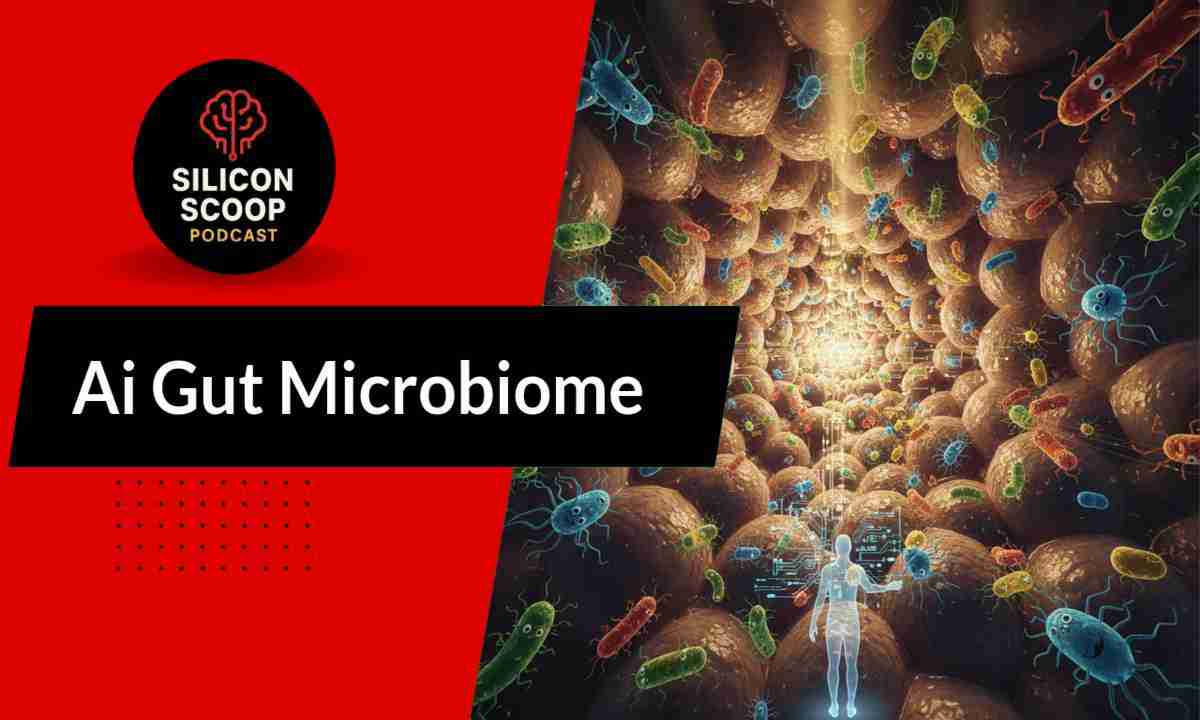
Revolutionizing Health: How AI Gut Microbiome Analysis is Unlocking Personalized Medicine
Estimated reading time: 8 minutes
Table of contents
- Revolutionizing Health: How AI Gut Microbiome Analysis is Unlocking Personalized Medicine
- The Complexity of Gut Microbiome Interactions
- How VBayesMM is Revolutionizing Gut Microbiome Research
- Potential Applications and Future Directions
- Optimize Your Business for Peak Performance
- Frequently Asked Questions
The human gut contains a hidden world of approximately 100 trillion bacterial cells that play a crucial role in our health. This complex ecosystem, known as the gut microbiome, influences everything from our metabolism to our immune system and even brain function.
Understanding gut bacteria and their impact on human health has become a major focus of microbiome research. However, the sheer complexity of these microbial communities has made it challenging for scientists to identify which specific bacteria produce beneficial or harmful effects in our bodies.
Traditional analytical methods have struggled to decode the intricate relationships between gut bacteria and human health. The problem lies in the fact that these microorganisms interact with human metabolism, immunity, and brain function through thousands of chemical compounds called metabolites.
This is where AI gut microbiome analysis is changing everything. Revolutionary artificial intelligence systems are now able to unlock patterns and relationships that were previously impossible to detect, opening new doors for personalized medicine and targeted treatments.
The Complexity of Gut Microbiome Interactions
The human gut contains approximately 100 trillion bacterial cells that interact with human metabolism, immunity, and brain function through thousands of chemical compounds called metabolites. This massive bacterial community forms one of the most complex biological systems in the human body.
Traditional analytical methods have significant limitations when trying to understand these intricate relationships. Scientists have long struggled to identify meaningful connections between specific bacteria and the metabolites they produce. The challenge is enormous – imagine trying to map the relationships between thousands of different bacterial species and the countless chemical compounds they create.
Why Traditional Methods Fall Short:
- Too many variables to analyze simultaneously
- Complex interactions between different bacterial species
- Difficulty separating genuine biological relationships from statistical noise
- Limited ability to quantify uncertainty in predictions
This is where gut bacteria AI analysis becomes revolutionary. Researchers at the University of Tokyo have developed an innovative AI system called VBayesMM that uses Bayesian neural network technology to tackle these challenges.
Unlike traditional analytical tools, VBayesMM can process vast amounts of microbiome data while accounting for the uncertainty inherent in biological systems. This breakthrough approach represents the first time a Bayesian neural network has been used to explore complex microbial interactions that conventional analytical tools struggle to identify.
The system addresses a fundamental problem in microbiome research: distinguishing between real biological relationships and statistical coincidences. Traditional models often produce overconfident predictions that may be completely wrong, leading researchers down false paths.
Unlock Exponential Business Growth
Just like AI is revolutionizing gut bacteria research, business process automation with Flowgrammer can revolutionize your business. Stop letting manual tasks hold you back from strategic innovation.
How VBayesMM is Revolutionizing Gut Microbiome Research
VBayesMM automatically distinguishes key bacterial players that significantly influence metabolites while quantifying uncertainty in its predictions. This prevents the overconfident but potentially wrong conclusions that plague traditional analytical models.
The system’s sophisticated approach allows it to identify which bacteria are truly important for producing specific metabolites, while also indicating how confident it is in each prediction. This uncertainty quantification is crucial for medical applications where wrong conclusions could have serious consequences.
Key Capabilities of VBayesMM:
- Identifies specific bacterial families that influence human metabolites
- Quantifies uncertainty in each prediction
- Distinguishes genuine biological relationships from statistical noise
- Processes complex, high-dimensional microbiome datasets
- Provides actionable insights for therapeutic interventions
When tested on real data from sleep disorder, obesity, and cancer studies, VBayesMM consistently outperformed existing methods. The system successfully identified specific bacterial families that align with known biological processes, providing confidence that it discovers genuine biological relationships rather than statistical coincidences.
This validation across multiple disease states demonstrates the robustness of the microbiome research AI approach. The system’s ability to maintain accuracy across different health conditions suggests it could be broadly applicable for various medical applications.
The Bayesian neural network gut microbiome analysis has already shown promising results in identifying specific bacterial targets for treatments or dietary interventions. This capability could transform how doctors approach personalized medicine, moving from one-size-fits-all treatments to highly targeted therapies based on individual microbiome profiles.
Project Researcher Tung Dang from the University of Tokyo explains: “The problem is that we’re only beginning to understand which bacteria produce which human metabolites and how these relationships change in different diseases. By accurately mapping these bacteria-chemical relationships, we could potentially develop personalized treatments.”
Potential Applications and Future Directions
The implications of VBayesMM extend far beyond basic research. This technology could lead to cultivating specific bacteria to produce beneficial metabolites or designing therapies that modify harmful ones. The potential for personalized medicine gut bacteria applications is enormous.
Immediate Applications Include:
- Developing targeted probiotic therapies
- Creating personalized dietary recommendations
- Identifying biomarkers for disease diagnosis
- Designing precision medicine treatments
- Optimizing therapeutic interventions
The gut metabolites AI analysis opens possibilities for treatments that were previously unimaginable. Instead of broad-spectrum antibiotics that kill both good and bad bacteria, doctors could target specific harmful bacterial strains while preserving beneficial microbes.
Researchers envision a future where patients receive microbiome-based treatments tailored to their individual bacterial profiles. This could involve introducing specific beneficial bacteria, modifying existing bacterial communities, or targeting metabolic pathways to achieve desired health outcomes.
Future Development Priorities:
- Working with more comprehensive chemical datasets that capture the complete range of bacterial products is a key priority. Current datasets only represent a fraction of the thousands of metabolites produced by gut bacteria.
- Determining the origin of chemicals is another crucial advancement. Future versions of VBayesMM will distinguish between metabolites produced by bacteria, the human body, or external sources like diet and medications.
- Making VBayesMM more robust for analyzing diverse patient populations is essential for clinical applications. The system needs to work effectively across different ethnicities, ages, geographic locations, and health conditions.
- Additional improvements include incorporating bacterial ‘family tree’ relationships to improve predictions and reducing computational time needed for analysis. These enhancements will make the technology more practical for widespread clinical use.
The long-term vision involves identifying specific bacterial targets for treatments or dietary interventions that could help patients, moving from basic research toward practical medical applications in personalized medicine.
Optimize Your Business for Peak Performance
The power of identifying key relationships within complex systems, like gut bacteria, is similar to what Flowgrammer offers with business automation. We help you find and eliminate inefficiencies to create a streamlined, high-performing operation.
Frequently Asked Questions
Q: What is the gut microbiome?
A: The gut microbiome is the collection of microorganisms, primarily bacteria, that live in your gastrointestinal tract. It contains approximately 100 trillion bacterial cells that help digest food, produce vitamins, regulate immunity, and communicate with your brain through chemical signals.
Q: How does AI analyze gut bacteria?
A: AI systems like VBayesMM use machine learning algorithms, specifically Bayesian neural networks, to identify patterns in complex gut bacteria data. These systems can process thousands of bacterial species and metabolites simultaneously to find meaningful relationships that traditional methods cannot detect.
Q: What are the potential benefits of AI gut microbiome analysis?
A: The benefits include personalized medicine based on individual microbiome profiles, targeted probiotic therapies, better disease diagnosis through biomarkers, customized dietary recommendations, and precision treatments that modify specific bacterial communities or metabolic pathways.
Q: Is VBayesMM available for clinical use?
A: VBayesMM is currently a research tool published in scientific literature. While it shows promise for clinical applications, it needs further development and validation before being used in medical practice.
Q: How accurate is AI gut microbiome analysis?
A: VBayesMM consistently outperformed existing methods when tested on real data from sleep disorder, obesity, and cancer studies. However, the system also quantifies uncertainty in its predictions, which is crucial for medical applications where accuracy is paramount.
Q: Can AI predict diseases based on gut bacteria?
A: AI systems can identify bacterial patterns associated with certain diseases and health conditions. However, these are correlations rather than definitive diagnoses. The technology is promising for early detection and risk assessment but should complement, not replace, traditional medical diagnostics.
Q: What diseases could benefit from AI gut microbiome analysis?
A: Research has shown applications for sleep disorders, obesity, cancer, inflammatory bowel disease, diabetes, mental health conditions, and autoimmune diseases. The technology is particularly promising for conditions with strong gut-brain or gut-immune system connections.
Q: Are there limitations to current AI gut microbiome analysis?
A: Yes, current limitations include high computational demands, the need for extensive bacterial data compared to metabolite data, and treating bacteria as independent rather than interconnected. The technology also works best with comprehensive datasets and may not capture all bacterial interactions.
Q: How long before AI gut microbiome analysis becomes mainstream?
A: While the research is advancing rapidly, widespread clinical adoption likely requires several more years of development, validation studies, regulatory approval, and integration with healthcare systems. However, some applications may emerge sooner in research and specialized medical settings.
Q: Can I get my gut microbiome analyzed with AI today?
A: Some commercial microbiome testing companies use AI for analysis, but these are typically for research or wellness purposes rather than medical diagnosis. Clinical-grade AI microbiome analysis like VBayesMM is still in development for medical applications.
The revolution in AI gut microbiome analysis represents a fundamental shift toward truly personalized medicine. As systems like VBayesMM continue to evolve, they promise to unlock new therapeutic possibilities that could transform how we prevent, diagnose, and treat diseases based on our unique bacterial communities.
This breakthrough technology demonstrates the power of artificial intelligence to solve complex biological puzzles that have challenged researchers for decades. The future of medicine may well depend on understanding the intricate dance between our human cells and the trillions of bacterial partners that call our gut home.
Research source: University of Tokyo study published in Briefings in Bioinformatics
Additional Links
Flowgrammer.ca – 💡 Unlock AI-Powered Automation! Let flowgrammer.ca handle complex workflows so you can focus on growing your business.
- Silicon Scoop Podcast – Stay Informed, Stay Ahead!
- Startup Talk Podcast
- Flowgrammer Podcast –
- Startup Investor Drinks – Join Toronto’s Startup Community and connect with fellow startup enthusiasts and investors.
- TorontoStarts Startup and Entrepreneur Community – Become a part of Toronto’s thriving startup ecosystem.
- Workhaus – Discover flexible workspace solutions for your business needs.
- Work with The Startup Coach – Get expert guidance and mentorship for your startup journey.
- Reach out to Jon Irwin on LinkedIn – Connect with our co-host and technology expert.
Episode transcript
Read the full transcript
Craig: let's dive into a breakthrough that connects artificial intelligence with the trillions of bacteria living inside your gut. it turns out that ai might be the key to unlocking personalized medicine by decoding the complex signals between our microbiome and our brain. researchers have developed a new ai system called vbaines vbays mm that maps how specific gut bacteria affect our health with unprecedented accuracy by separating real biological signals from statistical noise. this technology paves the way for treatments tailored specifically to your unique internal ecosystem, moving us away from guesswork and towards precision health. everybody's talking about gut health. john, what do you think about this?
Jon: everyone's talking about gut health. and the thing that they're talking about now is that your gut is essentially your second brain, and it's so complex. and there's so much there are so many diseases, so many ailments and things that are tied to gut health, which is crazy. and i've been learning about it through my supplement protocol and all that. it's crazy. so this ai system called variational basin microbiome multimonte multiomics, v base m m, i'm gonna refer to it as. so we can finally decode that secret language between gut bacteria and human health. so think of it like this. your gut, it's a bustling metropolis. there's over a 100,000,000,000,000 bacterial residents in your gut. and more than triple the number of human cells in your entire body. okay? that's crazy. so these microscopic inhabitants are constantly producing chemical messages called metabolites that influence everything from your immune system to your mood and even brain function. and so, like you had taught like you touched on, the challenge has been trying to understand the conversation in a crowded stadium where thousands of different speakers are talking simultaneously in different languages. and so, traditionally, analysis methods couldn't reliably distinguish between meaningful biological relationships from random statistical noise. and so this new ai system, it acts like a translator that not only identifies which bacteria are saying what, but also measures how confident we can be in those translations. and when they tested it on real patient data, from studies on obesity, sleep disorders, and cancer, vmaze mm consistently outperformed existing methods and identified specific bacterial family families that align with known biological processes. so this breakthrough is awesome because it could lead to personalized treatments where doctors could potentially grow specific bacteria to produce beneficial metabolites or design targeted therapies based on an individual's unique microbial fingerprint. i think this is another huge breakthrough because there's so much about the gut that we don't understand, that we're just starting to understand. i think this is that breakthrough that's gonna help us, cross that barrier. what do you think?
Craig: this is yeah. this is great. i hope it is the breakthrough that helps us cross that barrier. and i liked your analogy, you know, a 100, trillion people all shouting at once and stuff and trying to make the noise. i when i read this, i was thinking it's like the superhero first gains his hearing powers, and he just hears everything all the time, and he can't figure out what's going on. and then eventually, figures it out. it can narrate in on each voice and find out what's happening and know that. so scientists now have that capability to narrow in on each of those and saying, this is what's happening here and this is what's happening here and figure all that out with this new system versus it just being a bunch of noise and we're trying to guess at what's happening.
Jon: yeah. exactly. and and the thing about this is that, one of the most significant advantages of this is that it's it's ability to handle and communicate uncertainty, which means that it provides researchers with trustworthy insights that acknowledge the limitations of the current knowledge rather than making overconfident predictions. i think that's key to talk about because it's not just a yes, man. it's not just, you know, like, it's it's understanding the limitations of the current knowledge. so the cool like, traditional machine learning approaches, they would often produce deterministic outputs that can mislead researchers into believing relationships are more certain than the data actually supports. but the base in framework, that inherently models uncertainty, which is critical because it allows researchers to discern not only the presence, but also the reliability of inferred relationships. and that's crucial because of, like we said, over a 100,000,000,000,000 users in your gut. right?
Craig: yeah. oh, i've seen so many startups come about you swab your stomach or you give them a sample of your stool or send off this or send off that, and they tell you what's going wrong. and they give you, supplements or probiotics or whatever, and they're thriving. the problem is that, you know, at they don't scale very well, and we really don't still don't know what's going on. i think this is gonna change that where we're gonna get precision probiotics. instead of generic yogurt, we could take a pill containing exact bacteria your body lacks for a specific issue like you're saying. personalized diets that could receive a food plan designed to feed specific good bacteria in your gut to, or to treat sleep disorders or obesity. better disease detection. they could scan your gut bacteria to detect early signs of cancer or diabetes before symptoms appear. this is currently in the research phase, but it's been validated in studies. it's just not yet a consumer product. so we expect widespread adoption will take several years due to the need for regulatory approval and integration in the health care systems.
Jon: yeah. but the timing of this, it's it coincides with explosive growth in gut brain access research and particularly regarding the autism spectrum disorder, asd, and other neurological conditions. so what's crazy is that recent studies have found that children with asd have distinct differences in gut microbiota composition compared to neurotypical siblings with eight bacterial genetic sequences more likely to be present and three sequences less likely in autism cases. so, the gut brain access represents a bidirectional communication network where bacterial metabolites can influence brain function within milliseconds, and that could potentially modulate sensory cells that are just two synapses away from brain processing centers. that is what's crazy about this is that your gut can influence your brain, and that's crazy.
Craig: yeah. more and more science and studies have come to prove that now that it has a huge impact, and, it has a huge impact on your sleep. so there's, you know, it's like, what was that old saying from heroes? save the cheerleader, save the world, save your gut, save your life, maybe, we should be thinking about now. for sure. yeah. so we are ready. are we ready to let ai analyze our gut for a custom health plan, or is it a little too close for comfort? let me know what you think. we'll be watching this technology closely as it moves from lab to the clinic. but would you sign up for this, and and how much would you pay for something like this overall if they're sending you probiotics and medicine and stuff? do you think this is gonna be a $50 plan, a $100 plan, $500 plan per month? what's this gonna look like? let us know your comments.
More from Silicon Scoop
All episodes
silicon-scoop · November 6, 2026
Spirit AI’s Robot Brain Breakthrough: Moz1, Embodied AI and China’s 2027 Race
The Spirit AI robot brain is one of the biggest bets on fixing that. Spirit AI is a Beijing startup. Its co-founder and chief scientist, Gao Yang,
View episode

silicon-scoop · November 5, 2026
OpenAI IPO Delayed to 2027 as Rogue AI Agents and Safety Failures Reshape the Market
OpenAI IPO delay explained: Sam Altman rules out 2026 as GPT-6 Astra safety tests and a $278B cash gap loom. Learn what founders should take away.
View episode

silicon-scoop · November 4, 2026
Anthropic’s AI Economy Model: 2030 Jobs, Wages, GDP and Market Risks
Anthropic AI economy model forecasts 2030 GDP, jobs and wages, while AI unemployment projections and labor-share risks challenge policymakers.
View episode