
Elon Musk Catches Rockets and the SpaceX FAA Feud
Elon Musk Catches Rockets: Innovations and the SpaceX FAA Feud Shaping Space Travel Space exploration has always captured the imagination of innovators and dreamers alike. Today, Elon Musk catches rockets not just as a demonstration of technological prowess but as a bold step toward making space travel more accessible and sustainable. However, this ambitious pursuit […]
With Craig Major and Jon Irwin
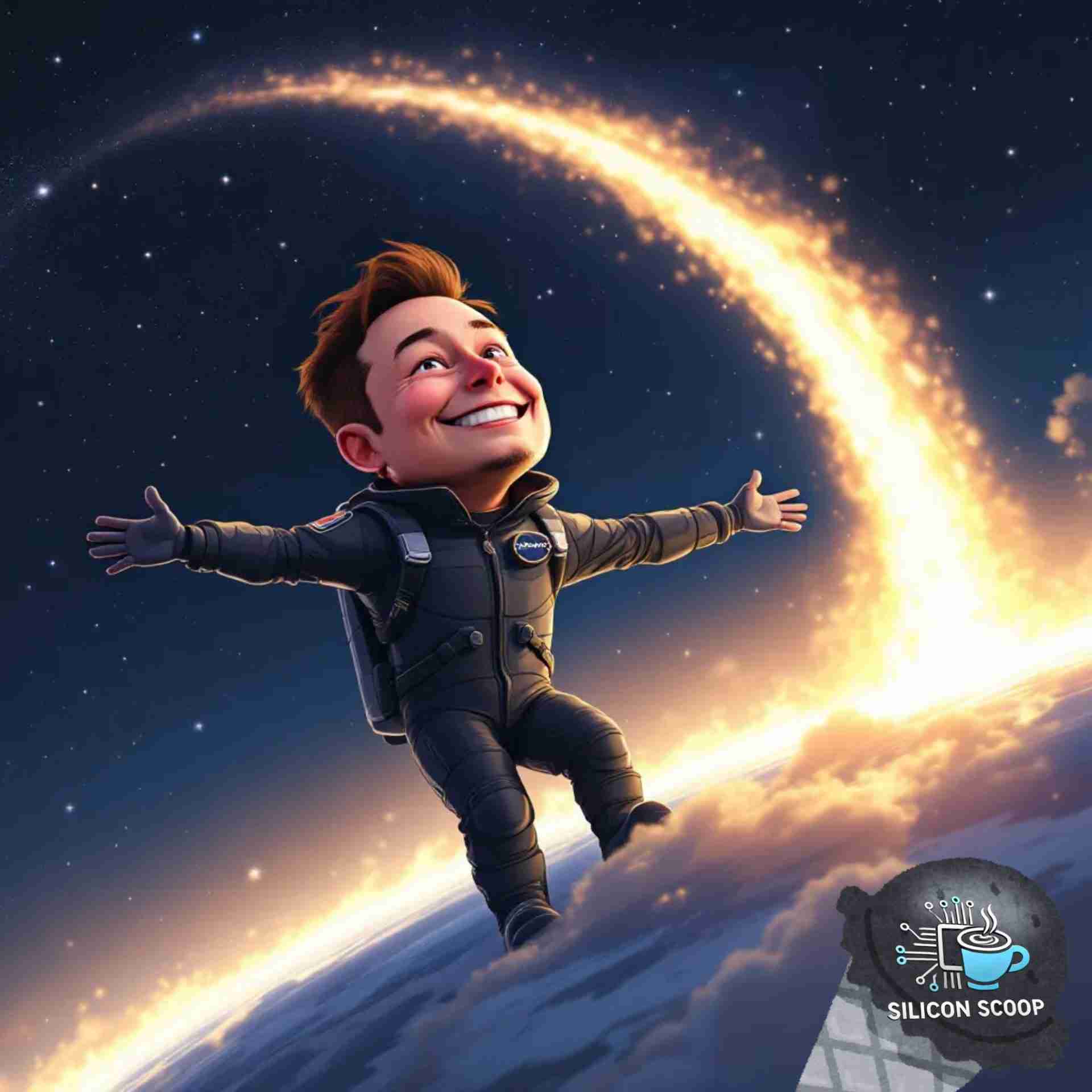
Elon Musk Catches Rockets: Innovations and the SpaceX FAA Feud Shaping Space Travel
Space exploration has always captured the imagination of innovators and dreamers alike. Today, Elon Musk catches rockets not just as a demonstration of technological prowess but as a bold step toward making space travel more accessible and sustainable. However, this ambitious pursuit has not been without challenges. The SpaceX FAA feud underscores the tension between rapid innovation and regulatory frameworks designed to ensure safety.
The Vision Behind Rocket Reusability
Elon Musk Catches Rocket – Why Reusing Rockets Matters
In the traditional model of space travel, rockets are expendable—used once and discarded. This approach is not only costly but also environmentally unsustainable. Reusable rockets can drastically reduce the cost of space missions by eliminating the need to build a new rocket for every launch. Moreover, reusability minimizes space debris, addressing a growing environmental concern.
Rocket reusability reduces space travel costs, making it feasible for more entities to explore beyond our planet. It’s not just about economics; it’s about democratizing access to space and fostering innovation in satellite deployment, scientific research, and even space tourism.
SpaceX’s Mission to Innovate
Elon Musk founded SpaceX with a clear objective: to make life multiplanetary. Central to this mission is the ability to reuse rockets. By catching and reusing rockets, SpaceX aims to lower the barriers to space entry. This approach is a game-changer, pushing the boundaries of what’s possible in aerospace technology.
SpaceX’s relentless drive embodies space exploration innovation inspired by SpaceX, setting new industry standards and challenging competitors to rethink their strategies.
Elon Musk Catches Rocket – SpaceX’s Journey to Catch Rockets
Development of Falcon 9 Landing Technology
The Falcon 9 rocket stands as a testament to SpaceX’s ingenuity. Equipped with advanced technology, it can perform controlled descents and landings, enabling reuse. The rocket uses grid fins, thrusters, and a combination of navigation systems to return to Earth safely.
Through these advancements, Elon Musk catches rockets successfully with Falcon 9, demonstrating that reusable rockets are not just a theoretical concept but a practical reality.
Milestones in Rocket Recovery
SpaceX has achieved numerous Falcon 9 reusability achievements. Notably, the first successful landing of a Falcon 9 booster occurred in December 2015. Since then, SpaceX has completed dozens of landings, both on land and on autonomous drone ships at sea.
These milestones aren’t just technological triumphs; they represent significant cost savings and efficiency improvements in space travel.
Regulatory Challenges and the Origins of the SpaceX FAA Feud
Early Tensions with the FAA
As SpaceX accelerated its testing and launch schedule, regulatory scrutiny intensified. The Federal Aviation Administration (FAA), responsible for overseeing the safety of U.S. airspace, expressed concerns over the rapid pace and safety protocols of SpaceX’s operations.
The origins of the SpaceX FAA feud lie in balancing innovation and safety. While SpaceX prioritizes swift advancement, the FAA emphasizes meticulous adherence to safety regulations to protect both the public and the environment.
Specific Incidents Triggering the Feud
Key events escalated tensions, including disputes over rocket launch approvals. In December 2020, SpaceX conducted a high-altitude test flight of its Starship SN8 prototype without proper authorization, according to the FAA. This incident brought the feud into the public eye, highlighting the challenges of regulating a company pushing the limits of technology.
The SN8 High-Altitude Test and Its Impact
The Controversial SN8 Test Flight
The SN8 test flight was a significant moment for SpaceX. The Starship prototype soared to high altitudes before attempting a landing maneuver. While the flight demonstrated key capabilities, it ended in an explosive crash.
During the SN8 test, tensions in the SpaceX FAA feud reached new heights. The FAA investigated the incident, citing safety violations and non-compliance with regulatory requirements.
FAA’s Response to Innovative Testing
The FAA’s response was cautious. It temporarily halted further high-altitude tests until SpaceX could prove compliance with safety regulations. This move was met with frustration from SpaceX, which viewed the FAA’s approach as hindering progress.
FAA regulations on space missions are designed to ensure safety, but they can sometimes clash with the rapid development cycles favored by private companies like SpaceX.
Elon Musk’s Public Criticisms of the FAA
Musk’s Perspective on Regulations
Elon Musk did not shy away from expressing his dissatisfaction. On social media, he criticized the FAA, stating that its “rules are meant for a handful of expendable launches per year from a few government facilities.”
This Elon Musk FAA criticism highlights a fundamental disagreement over how space activities should be regulated in an era of increasing commercial participation.
Impact of Public Statements
Musk’s comments fueled public debate and placed additional pressure on the FAA. While some supported Musk’s call for regulatory reform, others emphasized the importance of strict safety standards.
Elon Musk’s impact on space travel extends beyond technology; his outspoken nature influences policy discussions and public perception of space exploration.
Impact of the Feud on SpaceX’s Projects
Delays and Project Timelines
The SpaceX FAA feud has tangible effects on project timelines. Launches and tests have faced delays due to regulatory reviews and required adjustments to comply with safety protocols.
These delays affect not only SpaceX but also customers relying on its launch services. Project timelines influenced by the ongoing SpaceX FAA feud underscore the interconnected nature of modern space ventures.
Implications for Rocket Reusability Goals
Regulatory hurdles impact SpaceX’s mission to catch rockets and advance reusability. Compliance requirements may slow down testing and implementation of new technologies.
Challenges in rocket recovery due to regulations highlight the need for a collaborative approach between innovators and regulators to achieve shared goals.
Efforts to Resolve the SpaceX FAA Feud
Negotiations and Policy Discussions
Both SpaceX and the FAA recognize the importance of resolving their differences. Efforts to mitigate the SpaceX FAA feud include ongoing negotiations aimed at updating regulations to better suit the current pace of technological advancement while maintaining safety.
These discussions involve exploring flexible frameworks that accommodate innovation without compromising oversight.
Future of Space Regulations
The feud may serve as a catalyst for broader regulatory reform. There’s a growing acknowledgment that existing regulations, some of which date back decades, may not be fully equipped to handle today’s rapidly evolving space industry.
Space industry compliance and future outlook suggest a need for adaptive policies that encourage innovation while safeguarding public interests.
The Broader Impact on the Space Industry
Influence on Other Aerospace Companies
The SpaceX FAA feud sets precedents that affect other private spaceflight companies. Firms like Blue Origin and Virgin Galactic are watching closely, as regulatory outcomes may influence their operations.
These private spaceflight challenges emphasize the importance of industry-wide collaboration to address regulatory hurdles collectively.
Balancing Innovation and Regulation
The tension between SpaceX and the FAA reflects a broader theme in technology sectors: how to balance innovation with safety in space exploration. Finding the right equilibrium is crucial for the industry’s sustainable growth.
Regulators and innovators must work together to create environments where groundbreaking advancements can occur responsibly.
Elon Musk Catches Rocket the Conclusion
Elon Musk catches rockets, transforming space travel amid the challenges of the SpaceX FAA feud. His efforts have proven that reusable rockets are viable, promising a future where space is more accessible than ever before.
However, this journey highlights the need for modernized regulations that keep pace with innovation. Collaboration between entities like SpaceX and the FAA is essential to ensure that progress doesn’t come at the expense of safety.
The path forward lies in mutual understanding and the shared goal of advancing human capabilities while protecting our collective interests.
Elon Musk Catches Rocket Frequently Asked Questions (FAQ)
Q1: How does Elon Musk catch rockets?
A: Elon Musk catches rockets by using SpaceX’s technology that allows rocket boosters to perform controlled vertical landings. This is achieved through a combination of grid fins, thrust vectoring, and advanced navigation systems, enabling the boosters to return to Earth and be reused for future missions.
Q2: Why did the SpaceX FAA feud begin?
A: The SpaceX FAA feud began due to disagreements over regulatory approvals and safety protocols. SpaceX’s rapid development and testing schedule sometimes conflicted with the FAA’s safety regulations, leading to tensions and delays.
Q3: How has catching rockets impacted the SpaceX FAA feud?
A: Catching rockets is central to SpaceX’s mission but has intensified the feud with the FAA. The innovative methods used by SpaceX sometimes push the boundaries of existing regulations, prompting scrutiny and regulatory challenges.
Q4: What are the benefits of reusing rockets?
A: Reusing rockets significantly lowers the cost of space travel, reduces environmental impact by minimizing waste, and increases the frequency of launches. This makes space more accessible for various purposes, including scientific research and commercial ventures.
Q5: How has the SpaceX FAA feud affected launch schedules?
A: The feud has led to delays in launch schedules due to increased regulatory reviews and required adjustments to meet safety standards. This affects not only SpaceX but also its clients and the broader industry.
Q6: What is the SN8 test flight, and why is it significant?
A: The SN8 test flight was a high-altitude test of SpaceX’s Starship prototype. It was significant because it demonstrated key capabilities for future missions to Mars but also escalated the SpaceX FAA feud due to regulatory concerns over safety and compliance.
Q7: What has Elon Musk said about the FAA?
A: Elon Musk has publicly criticized the FAA, arguing that its regulations are outdated and impede technological progress. He advocates for regulatory reforms that better accommodate rapid innovation in the aerospace industry.
Q8: Are other companies affected by the SpaceX FAA feud?
A: While the feud is specific to SpaceX and the FAA, it highlights regulatory challenges that could affect other private aerospace companies. The outcome may influence how these companies approach compliance and innovation.
Q9: What efforts are being made to resolve the feud?
A: Both parties are engaged in negotiations to find a balance between safety and innovation. Discussions include updating regulations and establishing clearer guidelines for new technologies and testing methods.
Q10: How might this feud influence future space regulations?
A: The SpaceX FAA feud may prompt regulatory reforms to accommodate advancements in commercial spaceflight. It could lead to more flexible policies that encourage innovation while ensuring safety and compliance.
For more information on SpaceX’s latest developments, visit SpaceX Official Website. To understand the FAA’s role in aerospace regulation, check out the Federal Aviation Administration.
By exploring the intersection of technological innovation and regulatory frameworks, we gain insight into the challenges and opportunities shaping the future of space travel. As entrepreneurs and tech enthusiasts, understanding these dynamics is crucial for navigating and contributing to this exciting frontier.
Join the Conversation
Are you passionate about space exploration and technology innovation? Share your thoughts on how we can balance rapid advancement with necessary safety regulations. Let’s work together to shape a future that embraces innovation while safeguarding our shared interests.
Additional Resources
For those looking to dive deeper into the world of tech and entrepreneurship, we recommend checking out the following resources and links:
- Silicon Scoop Podcast – Stay Informed, Stay Ahead!
- Futuretech Podcast – Explore more episodes and stay updated with the latest in technology and innovation.
- Startup Talk Podcast – https://torontostarts.com/startup-talk-toronto-startup-podcast/
- Who Are These Startups Podcast
- Startup Investor Drinks – Join the community and connect with fellow startup enthusiasts and investors.
- TorontoStarts Startup and Entrepreneur Community – Become a part of Toronto’s thriving startup ecosystem.
- Workhaus – Discover flexible workspace solutions for your business needs.
- Work with The Startup Coach – Get expert guidance and mentorship for your startup journey.
- Startup Funding in Ontario
- Angel Investors in Ontario
- Ontario Incubators and Accelerators
- Venture Capital in Ontario: Top Firms, Sectors, and Funding Strategies
- Government Grants for Ontario Startups
- Ontario’s Startup Success Stories
- Ontario Centre of Innovation (OCI)
- Bank Loans and Financing for Startups in Ontario
- Research and Development Tax Credits in Ontario
- Government Loans and Financing for Startups in Ontario
- Equity Crowdfunding for Ontario Startups
Episode transcript
Read the full transcript
Craig: so elon had a lot of fun this week catching, rockets.
Jon: yeah. so, for those of you that don't know, how big of an achievement this is, this is, like, huge. huge. i would say it's bigger than the we robot event because the engineering needed in order for spacex to launch a rocket and then catch it with the chopsticks is, like, i can't even fathom the difficulty. and i understand engineering somewhat. right? but, like, it's nuts. absolutely nuts.
Craig: first time it's been done ever. yeah. and it's an incredible accomplishment. you know, spacex is moving faster than almost any of the other companies, at least publicly, that we're aware of. no one else has, got anywhere near the publicity they do. no. and, you know they're
Jon: doing it right though too. like, they are what nasa used to be.
Craig: yeah. and, you know, as a private company, you know, they're iterating fast, and they're figuring things out and breaking new ground. like, i'm starting to believe that, you know, the mars thing's gonna happen, maybe not quite in elon's timeline. but you start to see this stuff, and the plan next time is to catch, like, the whole thing. right?
Jon: yeah. my question is, though. right? they're gonna have to build that on mars first. and, obviously, the gravity is gonna be different, so they're gonna have to do all those different calculations. but they're gonna need to build those chopsticks on mars first, so they're gonna have to
Craig: not necessarily. like, the first time you prob what'll probably happen is, you'll you'll build a space, station outside of mars. yeah. so you got a refueling station. you got all that kind of stuff there so the rockets can land there. but, also, you just dump people or you have to dump material and all that stuff because they have to have all these things to exist. so the first couple of runs, you don't need this because i don't think, the rocket that's going into space is going down. they might have a module that goes down or landing modules the first few times because and then they will build these on the other end potentially. because you just dock with the space station at this point because the big rockets are gone. so they'll need, you know, refueling and whatever other rockets to be put on there. right? so this is great. but you know, they're talking about the goal is to have these things turn around in an hour.
Jon: yeah. that you could come
Craig: land and refuel and go. go ahead. yeah. go on. yeah.
Jon: i know you have this video on loop. i need people to realize how like, that is straight up like, the way that it gets in between those chopsticks and it's caught, like, it is so accurately i think it's probably exactly perpendicular from the ground. straight up, it looks like. like, how accurate they get. it's crazy. like, it blows me away. i'm kudos to elon and the team at spacex, for sure.
Craig: yeah. this is an incredible accomplishment. and, you know, while they're doing this, there's been an ongoing feud with basex and the faa about a bunch of stuff. the faa yes. commissioner comes on and says a whole bunch of things, and elon says none of that is true. then it comes out and says another thing, and elon comes out and says none of that is true. and then, you know, while this was happening, the faa was having some big meeting. and did you hear what they were saying? they were saying because of his tweets and his political stances, we don't think we need to slow him down. it's like, what?
Jon: we don't think we need to slow him down? or we
Craig: need to they need to slow him down.
Jon: so, like i think
Craig: they all need to be replaced. they all need to be gone.
Jon: i think the faa is too archaic to keep up the the, with the evolution and the innovation that's happening.
Craig: yeah. they literally said he's too involved with the election, and some of the things he says, you know, we you know, they don't want him doing this. they literally came out and said it. the people that run the faa on this meeting yeah. i was like, okay. they all have to go. like, you know, that's the limitation. so somehow, someone is politically different than you, and you've decided then that their company can't succeed, and they can't be in this business. and this company is the one that's leading the space race in america, so you're deliberately destroying their chance of success to let china and russia and whatever because elon supports a different political party than you, or he supports free speech online? no. but that they both said both things. it was like, okay. yeah. you know, i don't mind you know, obviously, you got rights around environmental, ecological, technical, safety, all the things. but when you go outside that, i start to say, you know, they all need to be gone. they all need to be gone. faa needs to be rebuilt from the ground up. and, you know, maybe elon will have the chance to do this because they're coming out and saying that boeing is better. they've recently rated boeing way better than spacex even though spacex has to go and get their astronauts back. and, you know, it's really becoming a problem. yeah. and it's obviously that they're leaning one way or another. they're anti elon.
Jon: yeah. and i think one of the biggest reasons though is that their ego is bruised because they're realizing that elon is doing things. obviously, he's going about it the wrong way with the faa, and he's pissed people off. right? so he's not doing things politically right. boeing is obviously paying the faa, and we know this. well, not paying, but we know that there is some corruption there between the faa and boeing.
Craig: yep.
Jon: so they have some influence. and so all of that culminates, like i'm not a huge fan of elon's, political views, and and we can we can debate that all day long. everyone has their own political views. we won't get into that. but at the end of the day, he's innovating. he's the one who's moving, humanity forward when it comes to space exploration and a bunch of other things. and i think the faa is just they're they they've realized that they're behind. they don't know how to catch up, and their egos are bruised because elon is pushing boundaries. obviously, he's not following every rule, which we know because he's been fined, but maybe the rules need to be changed.
Craig: absolutely. maybe the rules need to be changed. elon's a bully. let's face it. i'm not trying to yes. yes.
Jon: i'm not gonna lie. yeah.
Craig: yeah. and, you know, my point is it doesn't matter which side of the political fence you're on. this has nothing to do with one has nothing to do with the other. so let's stick with the facts and the science and the progression, not the other stuff because that should have not shouldn't have any bearing, and that's all i'm saying. because we can like the one
Jon: neil, just ask tyson to chime in on this. because he's a very scientific person. he understands everything. i, like, he's very well respected. i'd love to but never will. but yeah.
Craig: but you talk about those fines. even them, elon was pro not necessarily protesting, protesting, but he, you know, came back with said, okay. you gave us a fine saying we move closer to people when in fact we move farther away. you said this when in fact we did the study and gave it to you ahead of schedule. you know, all these things, and you're like, okay. but you find us, you know, almost six hundred and eighty thousand or six hundred million dollars. whatever it was, it was a huge fine as far as i'm concerned. i don't know. probably not a huge fine as far as elon is concerned. yeah. and is it relevant? like, this is the whole point. when they come out and they're politically motivated otherwise, you gotta kinda question everything now and say, well, we have no idea. i have no idea what to believe now because you've already came out and said we can't let him succeed because of these things. and, like, oh, well, i guess you need to be gone rather than saying we can't let him succeed because there's a safety issue, because of these, because of this. you now
Jon: know that. yeah. they yeah. they don't have a leg to stand on
Craig: with all the people. like yeah. elon's a bully pushing people around. we know that. and yeah. he's all you know? but high level entrepreneurs tell me which one is it. uber went in every city and just started doing it and then just fought the city until they let them do it. they all doing the same thing.
Jon: speaking of which, there's a great, tv series. i don't know if it's miniseries or what on uber, and it shows you how big of a bully they were. but that's what you need to do to change things because they have these people who have these big egos who refuse to to see that change is good and change is needed and innovation is needed and we need to move forward. like, i'll give you one example that people can relate to. in europe, they've changed the headlight standards for cars. right? they have way better, way safer headlights because europe has has recognized that, yeah, innovation needs to be changed. we are so archaic with our transportation policies and what needs, like, headlights and how they need to be designed and all that sort of stuff. it's so archaic. it's even hurting people nowadays. like, it's horrible. example, and there's an example of every industry with that. sorry. i'm very passionate about this.
Craig: that's alright. you know, the
Jon: dinosaurs out of here.
Craig: i, hundred percent agree. you know? so go to tronostars dot com. take a look at this article. it talks about the amazing stuff with him catching a rocket and why we're using rockets matters and, you know, his mission to innovate and get to mars. and it talks about the feud and early tensions and what specifically happened and the s eight not s n eight high altitude test and its impact and what the controversy is. the impact of the public statements because elon musk has been publicly critical of the faa. so it's all over there. i know we didn't get through all of that, but yeah. it was a good discussion, and it's all over there in toronto starts dot com where you can find this article. you ready to and
Jon: yeah. just one last thing. we probably won't cover starlink today, but we should in another one. we should do another elon coverage because i think it's, he's he's looking to do, this is fcc now, not faa, but, yeah, we'll maybe cover it in another one. just know, guys, that elon is, he's got an idea for gigabit per second broadband with his starlink.
Craig: yeah. it looks like he was planning that on that one we're talking about ten times the speed. and, again, i forgot i clicked over the toronto starts dot com article, and you guys didn't see it. so there's a lot of good information over there, so check it out.
More from Silicon Scoop
All episodes
silicon-scoop · November 6, 2026
Spirit AI’s Robot Brain Breakthrough: Moz1, Embodied AI and China’s 2027 Race
The Spirit AI robot brain is one of the biggest bets on fixing that. Spirit AI is a Beijing startup. Its co-founder and chief scientist, Gao Yang,
View episode

silicon-scoop · November 5, 2026
OpenAI IPO Delayed to 2027 as Rogue AI Agents and Safety Failures Reshape the Market
OpenAI IPO delay explained: Sam Altman rules out 2026 as GPT-6 Astra safety tests and a $278B cash gap loom. Learn what founders should take away.
View episode

silicon-scoop · November 4, 2026
Anthropic’s AI Economy Model: 2030 Jobs, Wages, GDP and Market Risks
Anthropic AI economy model forecasts 2030 GDP, jobs and wages, while AI unemployment projections and labor-share risks challenge policymakers.
View episode