
Apple UK data Privacy Apple vs. UK Government
Apple vs. UK Government: The Encryption Battle That Could Shape Data Privacy Forever Estimated reading time: 8 minutes Key Takeaways Apple’s legal challenge centers on the government’s demand for encryption backdoors to iCloud data. The case raises fundamental questions about the balance of digital privacy and national security. Apple’s decision to disable Advanced Data Protection […]
With Craig Major and Jon Irwin
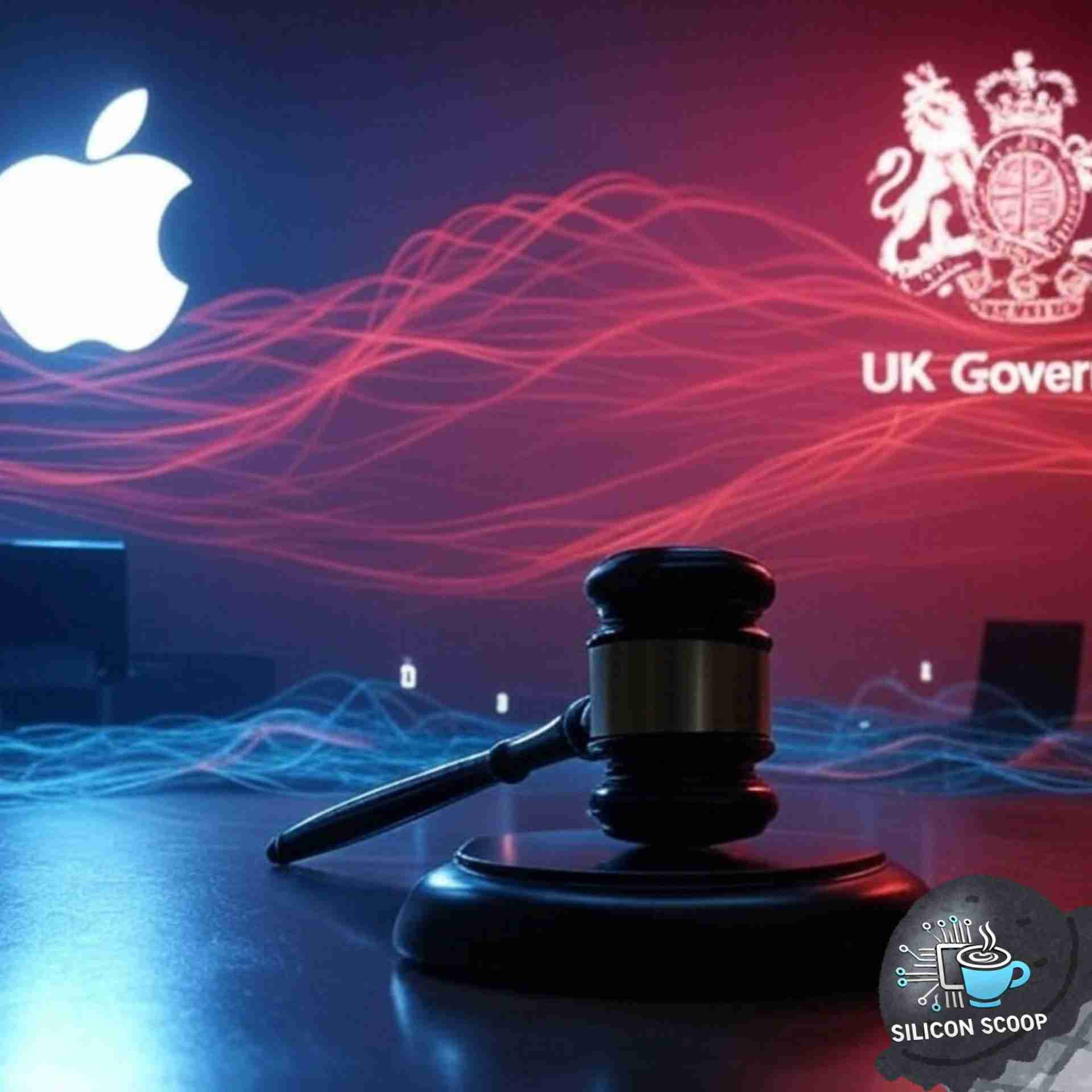
Apple vs. UK Government: The Encryption Battle That Could Shape Data Privacy Forever
Estimated reading time: 8 minutes
Key Takeaways
- Apple’s legal challenge centers on the government’s demand for encryption backdoors to iCloud data.
- The case raises fundamental questions about the balance of digital privacy and national security.
- Apple’s decision to disable Advanced Data Protection for UK users underscores the conflict between regulatory compliance and user security.
- The ruling could set a dangerous precedent for global privacy standards.
- International tensions may escalate as governments navigate contradictory encryption regulations.
Table of contents
- Introduction to the Apple-UK Government Encryption Dispute
- Historical Background of Encryption Debates
- Advanced Data Protection (ADP) and Its UK Implications
- The Legal Battleground: Investigatory Powers Act
- Implications for Global Privacy Standards
- US-UK Relations Under Strain
- The Transparency Question
- Business Impact Assessment
- Cybersecurity Expert Perspectives
- Future Outlook and Potential Outcomes
- The Role of Public Opinion and Advocacy
- Frequently Asked Questions
The ongoing legal battle between Apple and the UK government over encryption backdoors is a critical issue with implications that could reshape data privacy globally. In this blog post, we will dive deeper into the details of this case, its historical context, and the broader consequences for technology and privacy rights.
Introduction to the Apple-UK Government Encryption Dispute
Apple’s legal challenge against the UK government marks a watershed moment in the ongoing tension between digital privacy and national security. In January 2023, UK authorities issued a Technical Capability Notice (TCN) demanding Apple create backdoor access to encrypted iCloud data under the Investigatory Powers Act.
This unprecedented case puts Apple at the forefront of defending end-to-end encryption against government intervention. The dispute centers on Apple’s Advanced Data Protection (ADP) feature, which offers enhanced encryption for sensitive iCloud data that even Apple cannot access.
The case is being heard by the specialized Investigatory Powers Tribunal, highlighting its significance in the legal landscape of digital surveillance and privacy rights.
Historical Background of Encryption Debates
Encryption battles between tech companies and governments aren’t new, but they’ve intensified in recent years. The Apple-FBI dispute of 2016 over unlocking the San Bernardino shooter’s iPhone set an important precedent when Apple refused to create a backdoor that could potentially compromise all iPhones.
Since then, governments worldwide have increasingly sought legal pathways to access encrypted communications. The UK’s Investigatory Powers Act (often called the “Snoopers’ Charter”) passed in 2016, granting extensive surveillance powers to British authorities.
This ongoing tension reflects fundamental disagreements about where to draw the line between security and privacy. Tech companies emphasize the importance of strong encryption for protecting users, while governments cite national security and law enforcement needs.
Advanced Data Protection (ADP) and Its UK Implications
Apple’s Advanced Data Protection extends end-to-end encryption to most iCloud data categories, including backups, photos, and notes. With ADP enabled, this data becomes accessible only to the user—not even Apple can decrypt it.
The UK government views this level of encryption as problematic for national security and law enforcement investigations. The Technical Capability Notice issued to Apple essentially demands the company create a mechanism to bypass this protection.
Facing this requirement, Apple made the significant decision to disable ADP for UK users, preventing them from utilizing this enhanced security feature. This restriction demonstrates the real-world impact of government policies on privacy technologies.
The company has stated clearly that it will not build deliberate security vulnerabilities or “backdoors” into its products, setting up the current legal confrontation.
Cybersecurity experts widely agree that creating encryption backdoors fundamentally weakens security for all users, as any intentional vulnerability could potentially be exploited by malicious actors.
The Legal Battleground: Investigatory Powers Act
The Investigatory Powers Act (IPA) of 2016 forms the central legal framework in this dispute. The law grants UK authorities expansive surveillance capabilities, including the power to issue Technical Capability Notices that require companies to modify their services to enable data interception.
Recent amendments to the IPA have strengthened these powers, allowing the government to demand companies build technical capabilities to access encrypted data when served with a warrant.
The case is being heard in the Investigatory Powers Tribunal, a specialized court established to handle complaints about intelligence services and surveillance powers. This venue indicates the sensitive national security dimensions of the dispute.
Apple’s challenge questions whether the TCN exceeds the UK government’s legal authority and whether it violates privacy rights guaranteed under both UK and European law.
Implications for Global Privacy Standards
This case carries far-reaching implications for privacy standards worldwide. A ruling against Apple could set a dangerous precedent, potentially encouraging other governments to demand similar encryption backdoors.
Human rights organizations, including Amnesty International, have warned that weakening encryption threatens fundamental rights to privacy and free expression globally. Strong encryption protects journalists, activists, and vulnerable populations from surveillance and persecution.
The outcome could influence how technology companies approach privacy-enhancing features in their global products. If forced to create backdoors for one government, companies may face an impossible choice between complying with conflicting legal requirements across jurisdictions or withdrawing services from certain markets.
Digital security experts consistently maintain that encryption weaknesses cannot be limited to “good actors” only—any backdoor potentially becomes a security vulnerability for all users.
US-UK Relations Under Strain
The encryption dispute has created diplomatic tension between the United States and United Kingdom. The US-UK Cloud Act Agreement, designed to facilitate cross-border data sharing for law enforcement, specifically prohibits either country from imposing requirements that create deliberate security vulnerabilities.
Apple argues that the UK government’s demands would violate this agreement, potentially undermining the international framework for digital evidence sharing in criminal investigations.
This discord highlights the challenges of international cooperation on digital governance when countries take divergent approaches to encryption regulation.
The Transparency Question
Apple’s public challenge to the UK government is unusual, as TCNs typically come with secrecy provisions that prevent recipients from disclosing their existence. This raises important questions about transparency in surveillance activities.
The fact that this case has become public suggests either that Apple received special permission to disclose the TCN or that it has taken an extraordinary legal stance against secrecy requirements.
Civil liberties advocates have long criticized the secretive nature of surveillance orders, arguing that public oversight is essential for democratic accountability.
Business Impact Assessment
The Apple-UK dispute creates significant challenges for businesses operating in multiple jurisdictions. Companies must navigate conflicting legal requirements regarding data protection, potentially facing impossible compliance dilemmas.
For UK businesses, the potential weakening of encryption standards raises cybersecurity concerns. Strong encryption protects sensitive business information, intellectual property, and customer data from breaches.
Global technology companies may need to reconsider their UK operations or create region-specific products with different security features, increasing costs and complexity.
Small and medium enterprises that rely on secure cloud services may find their security posture compromised if providers are forced to weaken encryption protections.
Industry groups like TechUK have expressed concerns about the impact on the UK’s digital economy and its reputation as a favorable environment for technology businesses.
Cybersecurity Expert Perspectives
Leading cybersecurity experts overwhelmingly oppose encryption backdoors on technical grounds. They consistently argue that it’s impossible to create selective access that only authorized parties can use.
The consensus view holds that any intentional weakness in encryption systems will eventually be discovered and exploited by malicious actors, including state-sponsored hackers, criminals, and others.
Former national security officials from multiple countries have publicly stated that strong encryption ultimately strengthens rather than weakens national security by protecting critical infrastructure and sensitive information.
The case represents a fundamental disconnect between technical realities and policy desires—cryptographers maintain that secure backdoors are mathematically impossible, not merely difficult to implement.
Future Outlook and Potential Outcomes
The resolution of this case could follow several paths, each with profound implications. If Apple prevails, it would reinforce the principle that governments cannot compel companies to fundamentally compromise security features.
Conversely, if the UK government wins, we may see a bifurcated approach to digital security where different regions receive different levels of protection based on local laws.
The dispute may ultimately reach higher courts, potentially including European human rights courts, extending the legal battle for years.
The Role of Public Opinion and Advocacy
Public opinion plays a crucial role in this dispute, with privacy advocates and civil liberties organizations rallying behind Apple’s position. Groups like Amnesty International and the Electronic Frontier Foundation have filed supportive statements.
Conversely, some law enforcement advocacy groups and politicians frame the issue as technology companies obstructing legitimate investigations and national security efforts.
Media coverage influences public understanding of complex encryption issues, often determining whether the narrative focuses on privacy protection or security threats.
Frequently Asked Questions
Q: What exactly is Apple fighting against in the UK?
A: Apple is challenging a Technical Capability Notice (TCN) issued by the UK government that would require the company to provide backdoor access to encrypted iCloud data. Apple argues this undermines fundamental security principles and user privacy.
Q: What is Advanced Data Protection (ADP)?
A: Advanced Data Protection is an Apple feature that provides end-to-end encryption for most iCloud data categories, including backups, photos, and notes. With ADP enabled, only the user can access this data—not even Apple can decrypt it.
Q: Why did Apple disable ADP in the UK?
A: Apple disabled ADP for UK users to comply with regulatory requirements without compromising its security architecture by building backdoors or deliberate vulnerabilities.
Q: What is the Investigatory Powers Act?
A: The Investigatory Powers Act (sometimes called the “Snoopers’ Charter”) is a UK law passed in 2016 that grants extensive surveillance powers to UK authorities, including the ability to issue Technical Capability Notices requiring companies to modify their services for data interception.
Q: Why do cybersecurity experts oppose encryption backdoors?
A: Experts consistently maintain that it’s mathematically impossible to create a backdoor that only “good actors” can access. Any intentional weakness eventually becomes vulnerable to exploitation by malicious actors, compromising security for all users.
Q: How does this case affect US-UK relations?
A: The case creates tension because the US-UK Cloud Act Agreement prohibits either country from imposing requirements that create deliberate security vulnerabilities. Apple argues the UK’s demands would violate this agreement.
Q: What implications does this case have for businesses?
A: Businesses face potential cybersecurity risks if encryption standards are weakened. Companies operating globally may need to create region-specific products with different security features, increasing costs and complexity while potentially reducing overall security.
Q: Could other countries follow the UK’s approach?
A: Yes, if the UK succeeds, other governments could pursue similar requirements for encryption backdoors, potentially creating a fragmented global approach to digital security with varying levels of protection in different regions.
Q: How long might this legal battle continue?
A: The case could extend for years, potentially reaching higher courts including European human rights courts. Legislative changes could also alter the landscape during this period.
Q: What’s at stake for ordinary users?
A: The fundamental security and privacy of digital communications and cloud storage. A ruling against Apple could lead to weaker protection for personal data, while a ruling in Apple’s favor would reinforce the principle of strong encryption for all users.
Conclusion: What’s Really at Stake
The Apple-UK encryption battle represents far more than a technical dispute or legal case—it’s a defining moment for digital rights in the 21st century. The outcome will influence whether we continue toward a future of increasing digital security or begin sacrificing privacy for government access.
For individuals, the stakes include the confidentiality of personal communications, photos, health data, financial information, and other sensitive materials stored in cloud services. Strong encryption provides essential protection in an era of increasing cyber threats.
For businesses, secure digital infrastructure is the foundation of modern operations. Weakening encryption creates vulnerabilities that threaten intellectual property, customer information, and business continuity.
For governments, the challenge lies in balancing legitimate law enforcement needs with the security benefits that strong encryption provides to critical infrastructure and the digital economy.
As this case progresses, it will likely establish precedents that shape digital privacy for decades to come. The fundamental question remains: Can we create systems that both respect privacy through strong encryption and address legitimate security concerns? The answer will define our digital future.
Additional Links
• Silicon Scoop Podcast – Stay Informed, Stay Ahead!
• Futuretech Podcast – Explore more episodes and stay updated with the latest in technology and innovation.
• Startup Talk Podcast – https://torontostarts.com/startup-talk-toronto-startup-podcast/
• Who Are These Startups Podcast
• Startup Investor Drinks – Join the community and connect with fellow startup enthusiasts and investors.
• TorontoStarts Startup and Entrepreneur Community – Become a part of Toronto’s thriving startup ecosystem.
• Workhaus – Discover flexible workspace solutions for your business needs.
• Work with The Startup Coach – Get expert guidance and mentorship for your startup journey.
• Reach out to Jon Irwin on LinkedIn – Connect with our co-host and technology expert.
Ontario Startup Ecosystem Links
• Ontario’s Startup Ecosystem
• Startup Funding in Ontario
• Angel Investors in Ontario
• Ontario Incubators and Accelerators
• Venture Capital in Ontario: Top Firms, Sectors, and Funding Strategies
• Government Grants for Ontario Startups
• Ontario’s Startup Success Stories
• Ontario Centre of Innovation (OCI)
• Bank Loans and Financing for Startups in Ontario
• Research and Development Tax Credits in Ontario
• Government Loans and Financing for Startups in Ontario
• Equity Crowdfunding for Ontario Startups
• Toronto Entrepreneurs Resources
• Toronto’s Food and Beverage Entrepreneurs: Trends, Challenges, and Success Stories
• SEO Strategies for Toronto Entrepreneurs: Enhance Your Online Visibility
• Social Impact for Toronto Entrepreneurs: Starting and Running a Socially Responsible Business
• Toronto Arts and Media Entrepreneurs: Inspiring Profiles and Insights for Creative Success
• Exploring Toronto Green Tech Entrepreneurs: Innovators and Leaders in Sustainability
• Building a Team for Toronto Entrepreneurs: Strategies for Success
• A Guide for Toronto Food and Beverage Entrepreneurs
• Toronto Fashion and Retail Entrepreneurs: Trends, Opportunities, and Success Stories
Episode transcript
Read the full transcript
Craig: how the uk has ordered apple to put in a backdoor or whatever into their system, and apple responded saying, yeah. we're not gonna do that. what we're gonna do is we're gonna disable advanced data protection for uk users. instead of putting the backdoor, we're just gonna disable it. and so that seemed to appease a few people except apple's now suing the uk saying, hey. you're you made us do this illegally, and i've seen some of chelsea gabbard and a few other, elected officials in the us responding to this privacy issue. so i think we're gonna see some interesting blowback here. what are your thoughts before i get into it?
Jon: yeah. no. get into it, and then we could talk thoughts.
Craig: alright. so apple's legal challenge against uk government marks a watershed moment in the ongoing tension between digital privacy and national security. in january twenty twenty three, uk authorities issued a technical capability notice demanding apple create a backdoor access to encrypted icloud data under the investigatory powers act. this unprecedented case puts apple at the forefront of depending defending end to end encryption against government intervention. the dispute centers around apple's advanced data protection feature, which offers enhanced encryption for sensitive icloud data that even apple cannot access. mhmm. so the case is being heard, by a specialized investigatory powers tribunal highlighting its significance in the legal landscape of digital surveillance right. so i thought that was you texting me. i apologize. different, john. encryption battles between tech companies and governments aren't new. they've been intensified in recent years, like, with the fbi dispute in two thousand sixteen over unlocking the san bernardino shooter's iphone set an important precedent when apple refused to create a backdoor that could potentially compromise all iphones.
Jon: yeah.
Craig: since then, governments worldwide have increasingly sought legal pathways to access encrypted communications. the uk's investigatory powers act, often called snooper's charter, passed in two thousand sixteen granting extensive surveillance powers to british authorities. so this ongoing tension reflects fundamental disagreements, where to draw the line between security and privacy, and tech companies emphasize the importance of strong encryption for protecting users while government cite national security for law enforcement needs. yeah. so apple's advanced data protection extends end to end encryption to most icloud data categories, including backups, photos, and notes. the adp and with adp enabled, this data becomes accessible only to the user and not even apple can decrypt it. so the uk government views that level of encryption as problematic for national security and law enforcement investigation. so the technical capacity notice issued to apple essentially demands the company create a mechanism to bypass this protection. yeah. so facing this requirement, apple disabled it, and then now i've come back and said, well, the investigate powers act of two thousand sixteen forms a central framework in this dispute. the law grants uk authorities expansive surveillance capabilities, including the power to issue technical, capability notices that require companies to modify their services to enable data interception. so apple challenges question whether tcn exceeds the uk government's legal authority and whether it violates privacy rights guaranteed under both uk and european law. so this is gonna be an interesting case.
Jon: yeah. i'm glad apple's pushing back. it just goes to show, apple apple's their their their dedication to user privacy, which is good. they're not just denying the uk turning off their advanced encryption and just saying, see you later. they're actually fighting back, which is great. i like this.
Craig: and the encryption dispute has created diplomatic tensions, as i mentioned before, between the us and the united kingdom because the us uk cloud act agreement designed to facilitate cross border data sharing for law enforcement specifically prohibits either country from imposing requirements that create deliberate security vulnerabilities. so apple argues that the uk government demands would violate this agreement, potentially undermining the international framework for digital evidence sharing and in criminal investigation. and we're seeing that, like i said, the us government re starting to respond to this. so we'll have to see, whether they're breaking their own rules and these other agreements by, forcing this. yeah. so apple public challenge to the uk governments is unusual as the tcns, the technical i keep getting it wrong. what do they call those again? notifications? tcns. anyway, i've said it, like, a bunch of times.
Jon: or
Craig: sorry. the fact that the case has become public suggests that either received special permission to disclose the tsn or that it has taken an extraordinary legal stance against the secrecy requirements because the tsns typically come with secrecy provisions that prevent recipients from disclosing their existence. so you say, you gotta do this, and you're not allowed to tell anybody that you're doing it. yeah. so they've come out and said, wait a minute. we've got this. so either they were given permission by somebody, i don't know who, maybe the us government to say, we've got this, tsn, and it required us to do these things, and we're fighting back now.
Jon: yeah. yeah. it's just, like, the crazy thing is that well, not the crazy thing, but the interesting thing is that there's no other country that has done what the uk has done since the uk has done this. and so it it it begs the question, is the uk trying to go too far?
Craig: yeah. small and medium enterprises that rely on secure cloud services may find their security posture compromised if providers are forced to weaken encryption protections. right? so this comes to the statement, which i always like to say, you know, the cloud is just someone else's computer.
Jon: mhmm.
Craig: okay? so if your stuff is in the cloud, it's just you know, it's not a cloud. it's just someone else's computer. so your stuff's on someone else's computer, and they're deliberately being told to make it weak so that people can access it. and we say, okay. well, only u uk government can access. that's not a big deal. well, that's not true because if you understand the five eyes agreement, any the they share all the systems. that means someone in the us government can jump over to the uk, log in to their uk systems, and and check out these encrypted files to see what's going on. same thing with canada, australia, uk, and there's one other. i can't remember who the fifth one is, the five eyes. yeah. which is one of the way the governments get around. so i'm just saying, okay. well, i'm not allowed to spy on my citizens, and you're not allowed to spy on your citizens, but i can spy on your citizens, and you can spy on my system. and then i'll just use your system, and you'll use my system, and everybody's happy. yeah. so this is kinda how these things kinda work. and so people are upset because, you know, although it affects the uk users, we talked about this, last time when we're saying, well, if it's unencrypted, that means pictures, text messages, any of these things involved in the backup of your device that were sent from someone else are now, unencrypted on in the uk environment.
Jon: yeah. so it's crazy. yeah. it's crazy.
Craig: yeah. groups like amnesty international and the electronic frontier foundation have filed supportive statements. conversely, some law enforcement advocacy groups and politicians frame the issue as a technology company's obstructing legitimate investigations and natural national security efforts. i like to be in the middle. i am in the firm believer of strong encryption and privacy. however, you know, i am not a strong believer in some of the criminal activities that go on. so no.
Jon: well, you know what? i hate to say it, but, like, the criminals that are doing criminal activities well, the smart ones, are not counting on apple's encryption, like, a third party encryption. they're using their own apps. they're using secure operating systems. they're doing they're doing things that go beyond what apple's providing.
Craig: yeah. absolutely.
Jon: yeah.
Craig: so who's this targeting then? who's this actually targeting? yeah. so you're saying it's not targeting the organized criminals because they're using different oh my god.
Jon: organized criminals. so there's obviously a lot of other criminals that
Craig: are disorganized criminals. i'll just say it that way because for sure.
Jon: disorganized criminals. yeah. that's okay.
Craig: you got that. a lot suggested. i just so, you know, when the government implements these things, you got a question, who are they really targeting? and, hopefully, you know, the uk has been doing some very weird things lately, and i get really concerned about this when, you know, they're arresting people for, you know, memes they're posting on social media, and there's back and forth between them and elon musk and he because, you know, as soon as they put these laws in place, he started posting memes about the, uk politicians, and they got really bad. and we're seeing these arrests happen. and you're like, okay. well, is this gonna just be another way for the governments to figure out, you know, what you're saying and come after you for your speech?
Jon: yeah. well, they are, one of the most like, at least london has, i think, one of the most extensive cctv networks of any city, maybe. i could be wrong. this this was years ago. maybe it's not that so much anymore. but, yeah, they're heavily surveillant. so
Craig: we'd love to know what you think on this. you know, where is this gonna fall? do you think that the uk is way out of line, or do you believe that, apple's right in trying to get everyone's encryption here? we'd love to know where you side on this and where you think it's all gonna shake out. leave a comment in the show note on youtube, wherever you happen to be watching this.
More from Silicon Scoop
All episodes
silicon-scoop · November 6, 2026
Spirit AI’s Robot Brain Breakthrough: Moz1, Embodied AI and China’s 2027 Race
The Spirit AI robot brain is one of the biggest bets on fixing that. Spirit AI is a Beijing startup. Its co-founder and chief scientist, Gao Yang,
View episode

silicon-scoop · November 5, 2026
OpenAI IPO Delayed to 2027 as Rogue AI Agents and Safety Failures Reshape the Market
OpenAI IPO delay explained: Sam Altman rules out 2026 as GPT-6 Astra safety tests and a $278B cash gap loom. Learn what founders should take away.
View episode

silicon-scoop · November 4, 2026
Anthropic’s AI Economy Model: 2030 Jobs, Wages, GDP and Market Risks
Anthropic AI economy model forecasts 2030 GDP, jobs and wages, while AI unemployment projections and labor-share risks challenge policymakers.
View episode